The G7 Summit, currently taking place in Canada, brings together a group of the world’s wealthiest nations, but the absence of China, India, and Russia raises serious questions about its global relevance and effectiveness. The current structure, including the US, UK, and Japan, excludes key players whose participation is essential for comprehensive global dialogue.
The G7, which started in 1975, initially comprised six countries and later expanded. It focuses on key global issues like energy policy and economic management. However, the group’s limited representation of the global population is a major concern. The G7 countries account for less than 10% of the world population. Meanwhile, China and India alone represent 35% of the global population.
Economically, the G7’s share of global GDP is less than 50%. With China holding the second-largest economy and India the fifth, their inclusion is critical. Moreover, the debt-to-GDP ratios present a complex picture. The inclusion of China, India, and Russia would have a significant impact on the group’s economic dynamics, as their combined GDP is substantial.
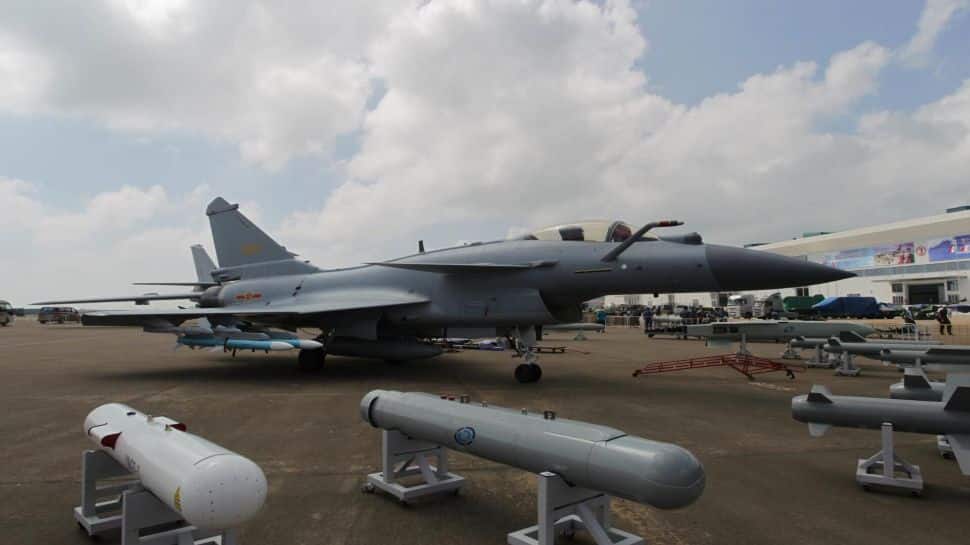
Militarily, the G7 excludes several of the world’s leading military powers. The inclusion of China, India, and Russia would dramatically alter the balance of power. Moreover, the inclusion of the said countries, which also include nuclear-powered states, further strengthens the argument for a more inclusive global forum.
The proposed expansion to a G10, including China, India, and Russia, would fundamentally change the G7. Such a move would drastically increase the group’s share of the global GDP and bring in a large percentage of the world’s population. The inclusion of China, India, and Russia would also likely result in a more balanced distribution of power, potentially leading to fairer and more transparent decision-making on international issues. Despite openness towards Russia and China, there is a lack of support for India’s inclusion. This disparity shows a strategic oversight that could undermine the group’s long-term relevance.