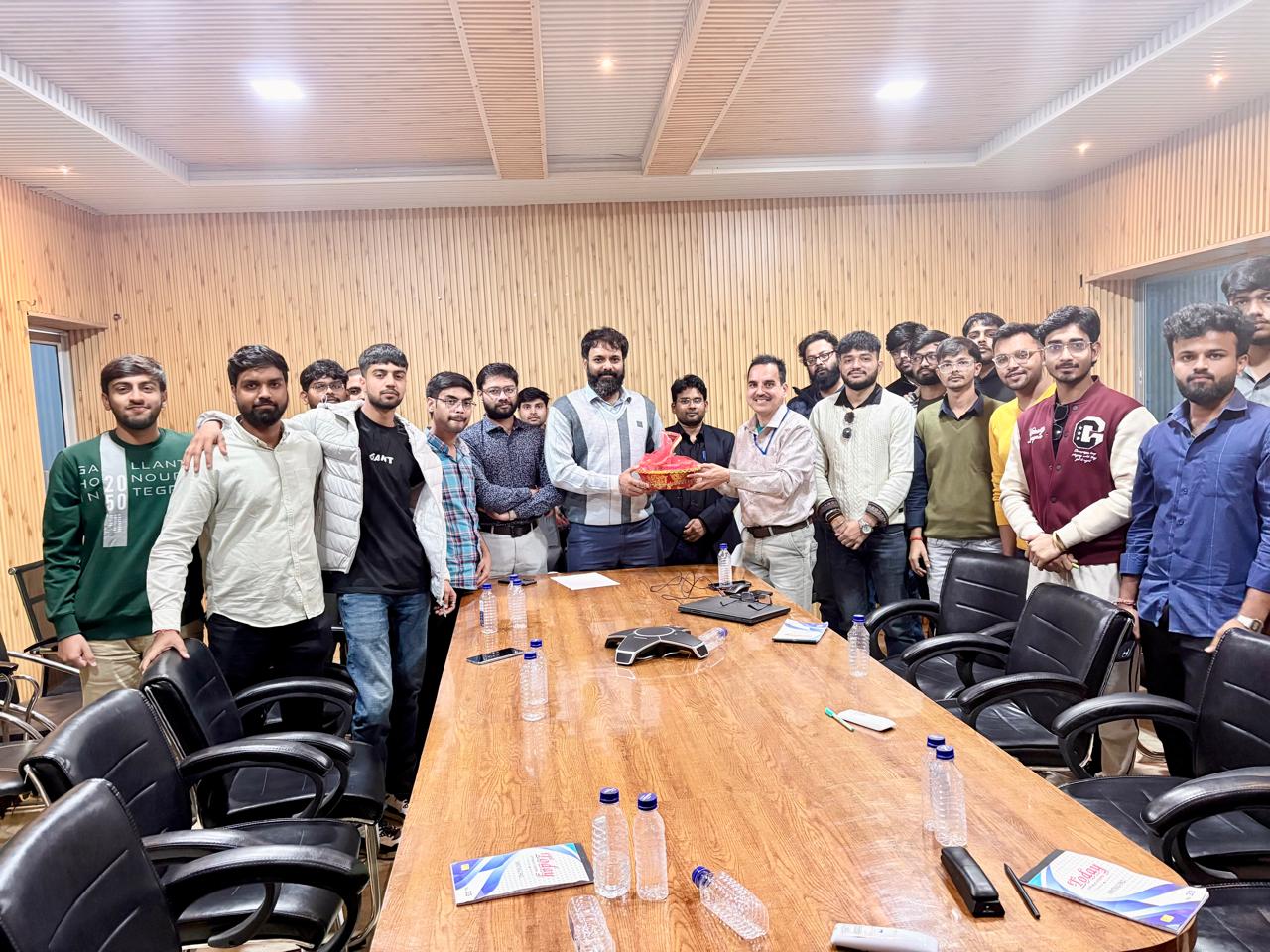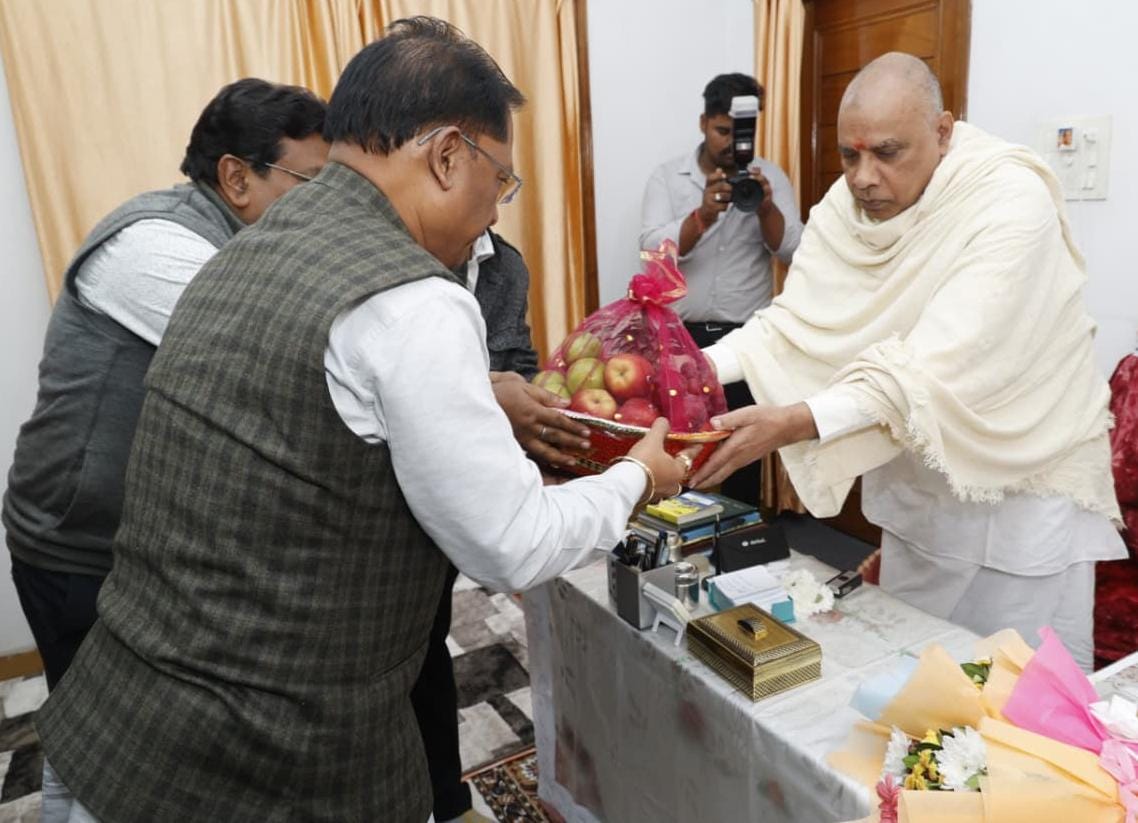

Chief Minister Vishnu Deo Sai initiated the construction of a 250-seater Nalanda complex in Kunkuri, Jashpur district, with an investment of ₹4.37 crore. At the ground-breaking ceremony held in Saliyatoli village, the Chief Minister extended his best wishes to the youth, underscoring the state’s dedication to providing quality education in every district.
This effort includes establishing Nalanda complexes in all district headquarters, with two projects underway in Jashpur district. These complexes will feature advanced libraries, essential teaching resources, and technical infrastructure. The centers will operate 24/7, facilitating uninterrupted learning for students.
Chief Minister Sai also highlighted the government’s focus on transparency in public services, facilitated by the e-office system across various departments. He mentioned the implementation of ten innovative initiatives in the revenue sector that aim to make processes like registration and land transfer more accessible to the general public.
Prioritizing student welfare, the Chief Minister announced a CBI investigation into corruption in PSC exams. Furthermore, Jashpur district will see the establishment of a medical college, an agricultural college, and colleges for horticulture, nursing, naturopathy, and physiotherapy.
Nalanda Complex: Modern Facilities and 24/7 Access for Students
The Nalanda complex will offer round-the-clock study facilities, similar to those in major cities. It will include indoor and outdoor study zones, as well as an ‘Oxi Reading Zone’ to encourage interaction with the natural environment. The complex will follow an autonomous model, emphasizing environmental protection and utilizing solar energy.
The eco-friendly design will minimize electricity usage and incorporate more than 50 native plant species. To support the overall development of young people, facilities such as a Youth Tower, sports courts, a cafeteria, ATM, and a health zone will also be developed. The operational model will be self-financed. The library will contain over 50,000 books, digital resources, Wi-Fi zones, and materials for competitive exams. It will also incorporate an RFID-based entry system, biometric ID, RFID for book tracking, and a software-based book management system.