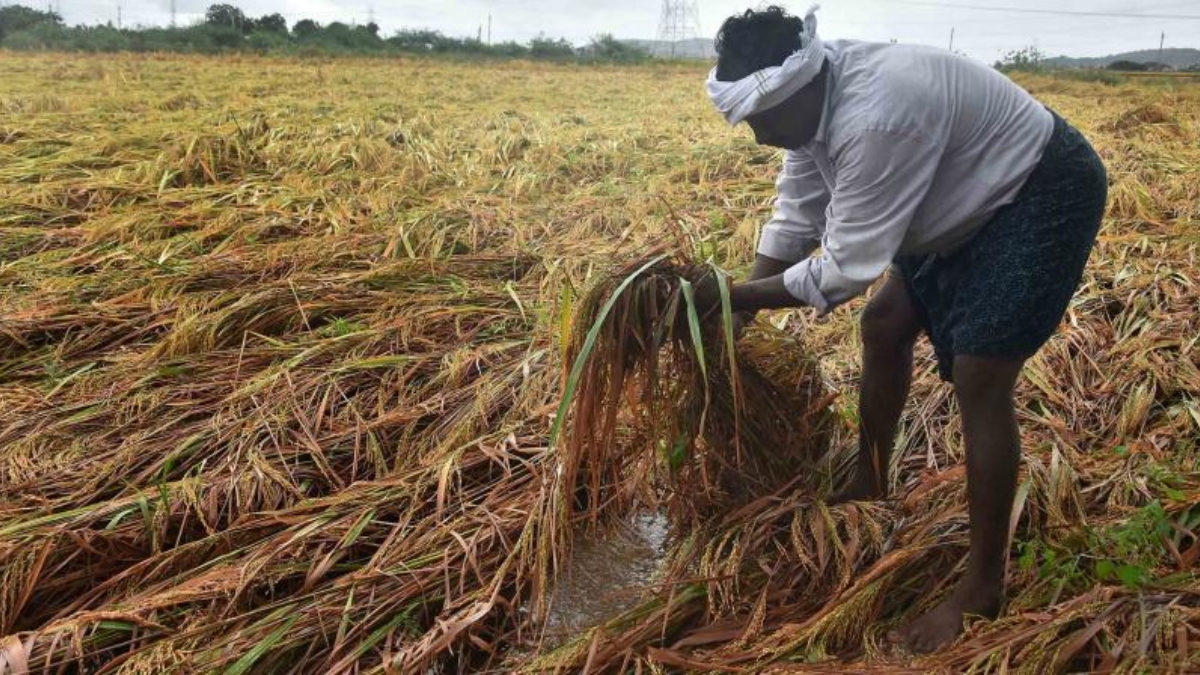

India is currently managing a significant surplus of rice, prompting a strategic shift towards ethanol production. The upcoming harvest is expected to exacerbate the already large stockpiles, making this conversion crucial. This move contrasts sharply with the recent export ban, enacted due to scarcity. The use of rice for ethanol is aiding in surplus reduction and supporting the country’s ethanol blending ambitions, particularly given potential shortages in traditional sources like sugarcane. The rice export ban, implemented for two years due to drought conditions, was lifted in March. Good rainfall this year is expected to result in a bumper crop. Government officials have emphasized the importance of food security, but the surplus rice supply has necessitated its diversion to ethanol production. The Food Corporation of India (FCI) has allocated a record 52 lakh metric tonnes of rice, approximately 9% of the global rice trade, for ethanol, a significant increase from less than 3,000 tonnes last year. FCI’s total rice stock on June 1 was 59.5 million tonnes, far exceeding the July target of 13.5 million tonnes. The availability of rice has also helped moderate maize prices. Grain-based distilleries are adjusting their raw material inputs—switching between maize, rice, and other grains—based on price considerations. India, a major oil importer, is aiming to achieve a 20% ethanol blend in petrol by 2025/26, almost reaching this level in May at 19.8%, due to the availability of rice. The 2023 drought had negatively impacted sugarcane supply, which complicated the goal.