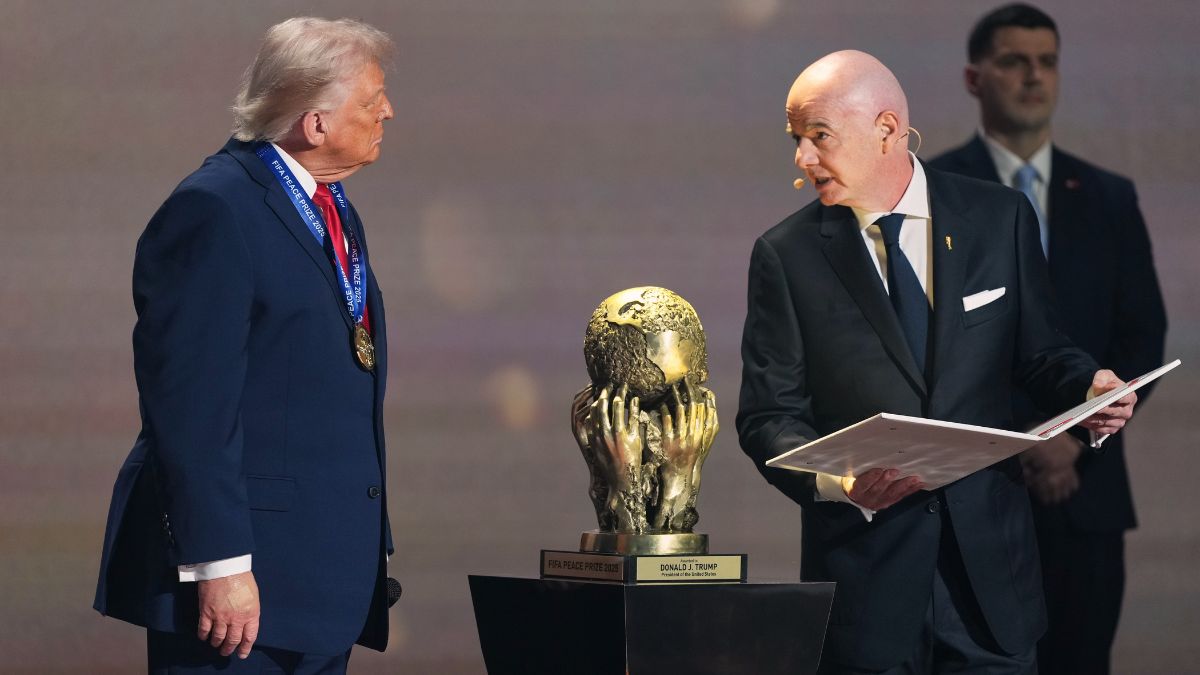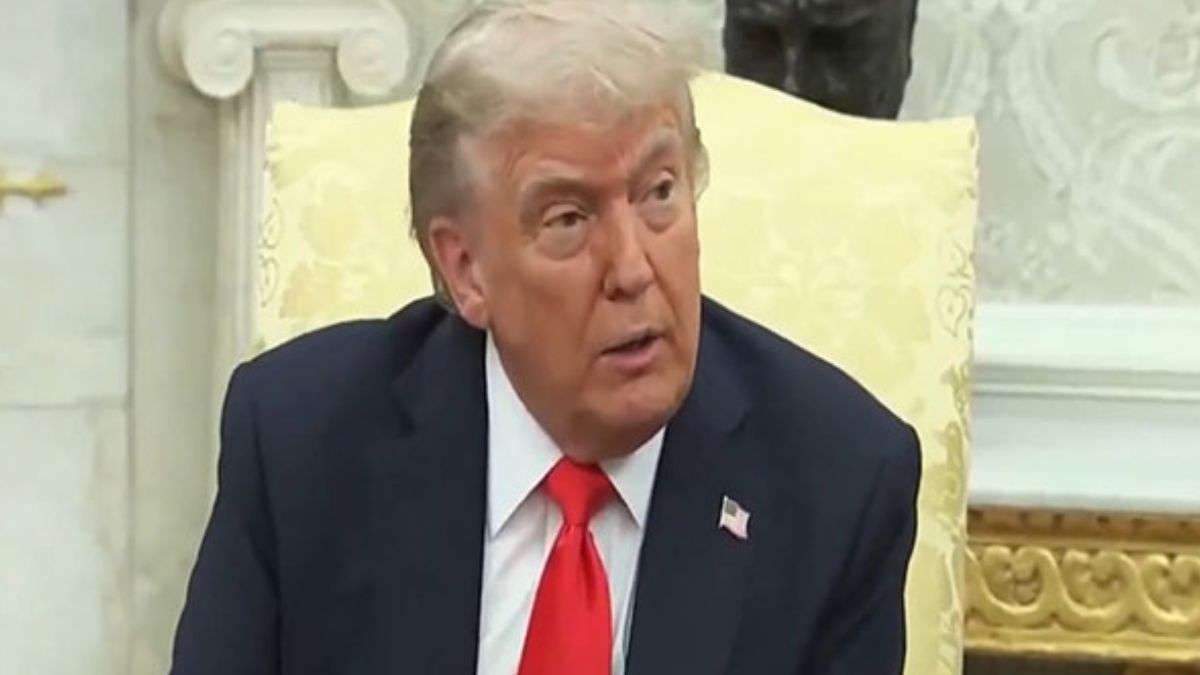

President Donald Trump has expressed pessimism regarding a potential trade agreement with Japan, signaling the possibility of higher tariffs on Japanese exports. This follows his assertions that Japan is not purchasing American rice. Trump addressed reporters, voicing uncertainty about a deal with Japan. He claimed Japan and other nations had been taking advantage of the U.S. for years, making it hard for them to make a deal.
As the 90-day pause on reciprocal tariffs nears its conclusion, Japan, along with other U.S. trade partners, is seeking to secure deals that might appease the U.S. president. When Trump launched his global tariff offensive, Japanese exports were hit with a 24% levy, which was later suspended for three months.
Trump’s comments came during a Quad meeting in Washington, which included Japanese Foreign Minister Takeshi Iwaya. The remarks also followed the seventh trip of Japan’s tariff negotiator Ryosei Akazawa to Washington for trade talks.
Japan, a crucial U.S. ally and trading partner in East Asia, has seen its relationship tested by Trump’s assertive tariff policies. Trump also stated that he isn’t considering extending the tariff pause beyond July 9th.
Trump’s public remarks included a claim that Japan does not buy rice from the US, a statement that is not true. He also stated that the Japanese do not buy US cars. Last year, Japan imported over sixteen thousand units of American automobiles.
Trump suggested that a yet-to-be-determined tariff rate is the likely outcome for Japan.
Japanese officials have asserted their continued commitment to trade talks with the US. Despite the ongoing discussions, major sticking points, particularly Trump’s tariffs on cars, remain. A recent meeting between Trump and Japanese Prime Minister Shigeru Ishiba on the sidelines of a summit failed to achieve a breakthrough.