
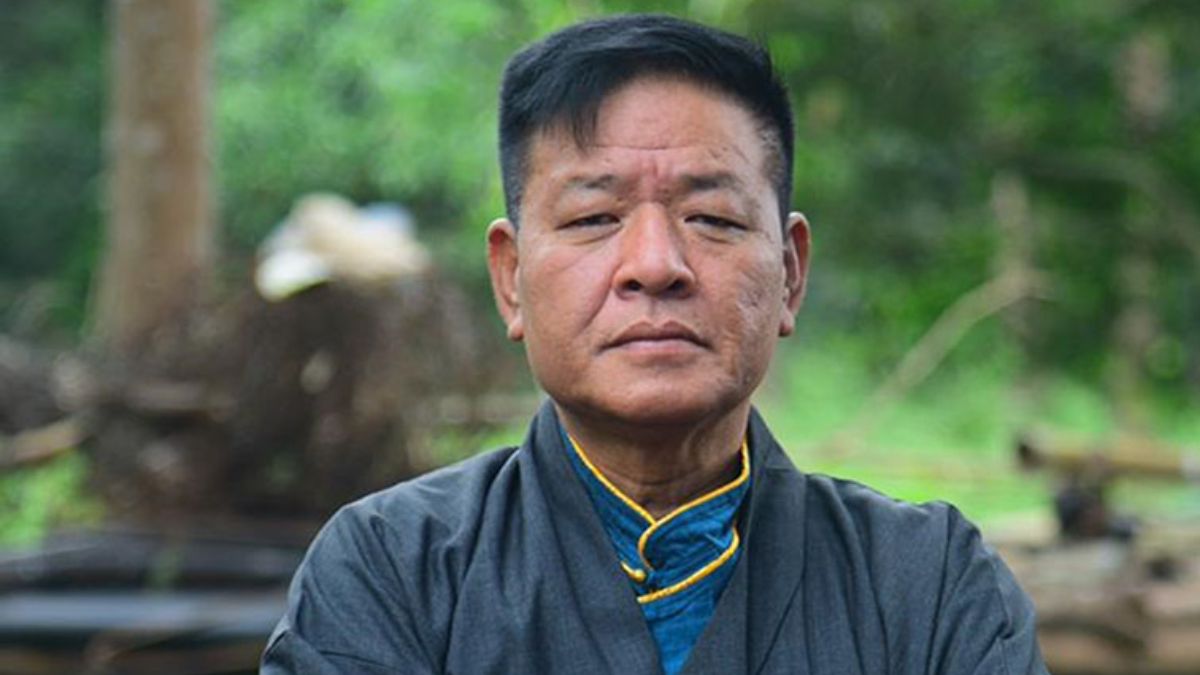

Sikyong Penpa Tsering, the leader of the Tibetan Government-in-Exile, has strongly criticized China’s interference in Tibetan religious matters, particularly regarding the selection of the Dalai Lama’s successor. He expressed worry over China’s attempts to control the spiritual leadership of Tibet, challenging the government’s motives and its disregard for religious freedom during preparations for the Dalai Lama’s upcoming birthday. Tsering disputed China’s claims about the Golden Urn, explaining that it was introduced in 1793, long after previous Dalai Lamas were recognized, and was rarely used in the selection process. This condemnation follows China’s reiteration that Beijing must approve the Dalai Lama’s reincarnation. The Chinese Foreign Ministry has stated that Tibetan Buddhism is a religion with Chinese characteristics, and the reincarnation process should follow tradition, including the use of the Golden Urn. Tsering further discussed critical issues like youth leadership, religious freedom, and international participation in the Dalai Lama’s birthday celebrations. He highlighted the significance of building future leadership and involving the youth in the Tibetan movement. Furthermore, he mentioned the participation and attendance of various guests and officials at the upcoming celebrations. Tsering also addressed the Dalai Lama’s reincarnation, reaffirming that the decision rests with the Gaden Phodrang and that Tibetans will reject China’s use of reincarnation for political ends. He also accused China of systematically destroying Tibetan identity by targeting its language and religion. The Dalai Lama has agreed to continue the institution of the Dalai Lama and has emphasized that the Gaden Phodrang Trust has sole authority in selecting the next Dalai Lama.