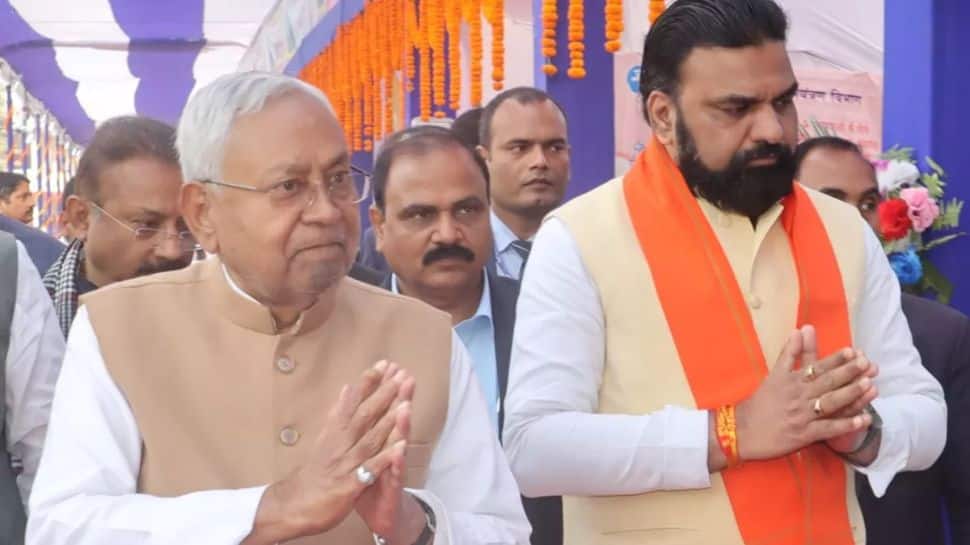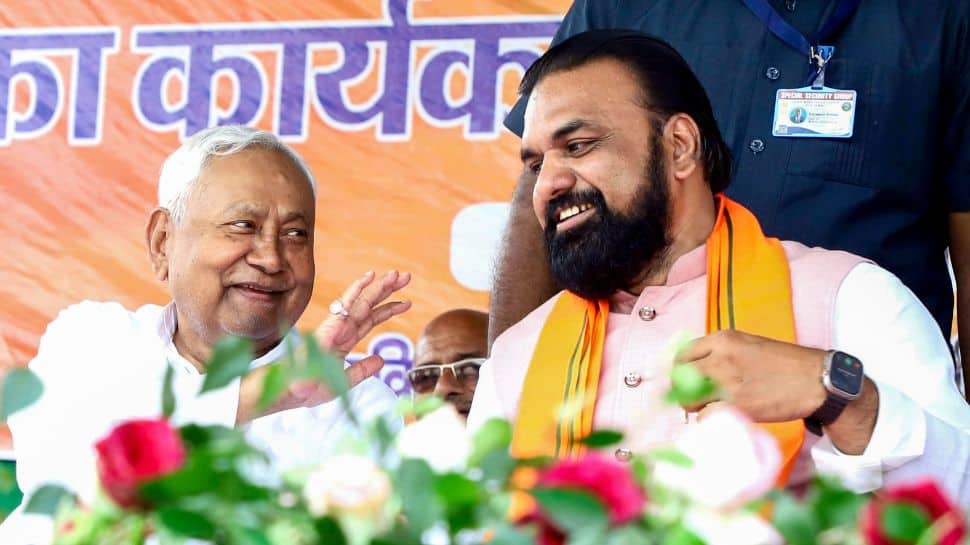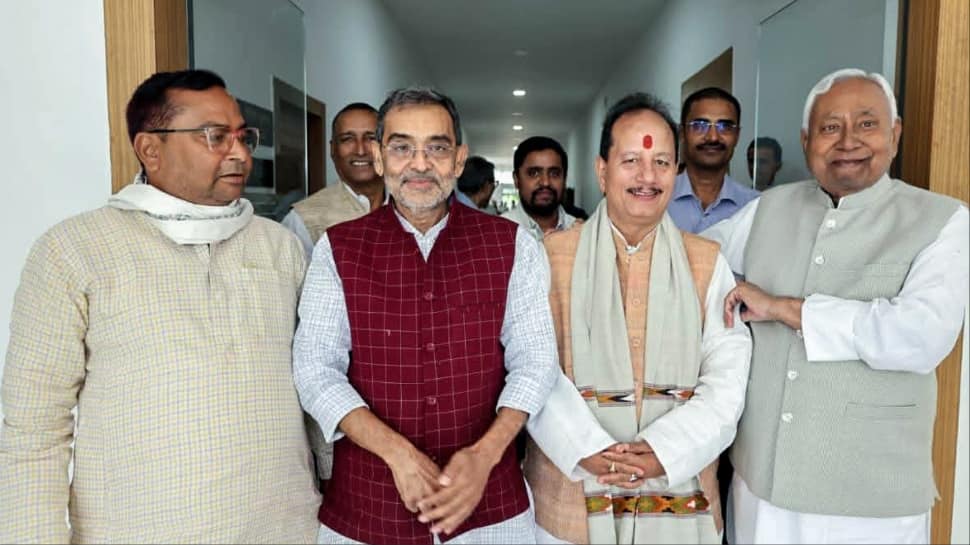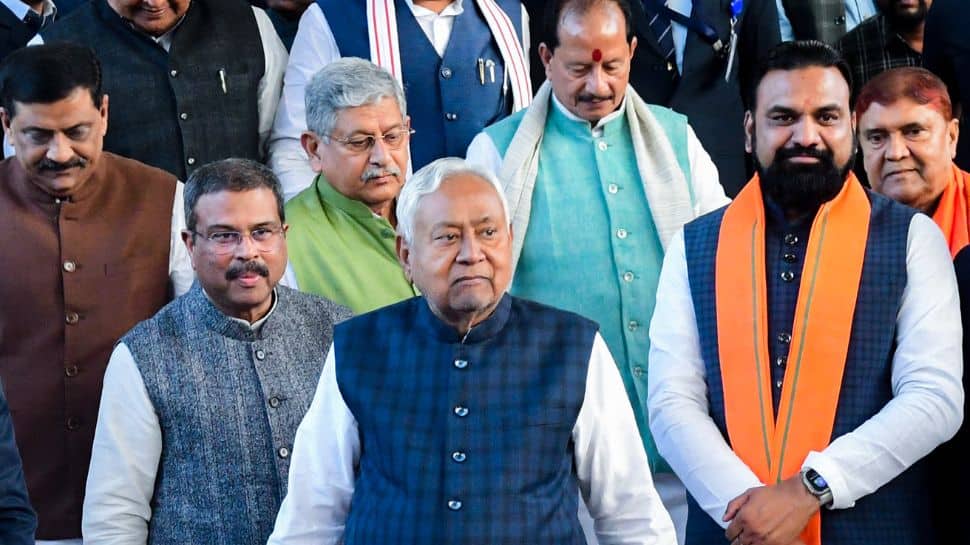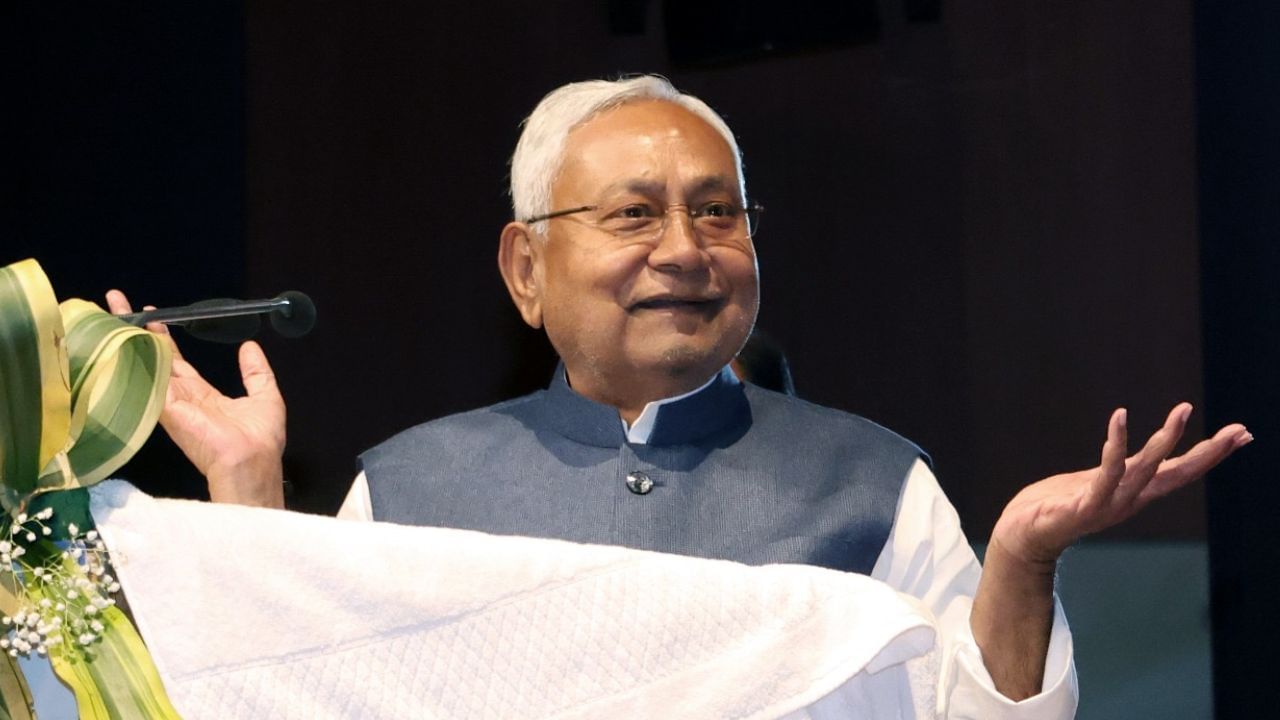

During a recent visit, Chief Minister Nitish Kumar inspected the ongoing development work in the Barabar (Vawanwar) area of Jehanabad district, issuing instructions to the officials present. The visit included interacting with pilgrims at the Vawanwar Shravani Mela, held at the Baba Siddheshwarnath Mahadev Temple on Vawanwar Hill, which attracts numerous devotees during the holy month of Shravan.
Kumar reviewed the arrangements for the Shravani Mela, instructing the District Magistrate to ensure the devotees’ comfort and smooth worship experience. He also listened to the concerns of the local residents, directing the District Magistrate to address their issues.
The Barabar Caves are a testament to India’s rich cultural heritage. These ancient rock-cut caves, located in Jehanabad, were constructed during the third century BCE, under the patronage of Mauryan emperors Ashoka and Dasharatha, primarily for the monks of the Ajivika sect.
The Barabar Hill houses four main caves: Karna Chaupar, Lomas Rishi, Sudama, and Vishwajyoti. The Sudama and Lomas Rishi caves are particularly noted for their architectural significance. The Lomas Rishi Cave’s entrance, designed in the stupa and chaitya styles, influenced later Buddhist architecture. A standout feature of these caves is their meticulously polished interiors, showcasing the advanced stone-polishing techniques of the Mauryan era. This technique gives the walls a mirror-like finish, enhancing acoustics and making the caves suitable for meditation.
The Barabar Caves are not only a reflection of India’s cultural legacy but also demonstrate the architectural brilliance of the Mauryan period. This site is significant for those interested in history, art, religion, and architecture.