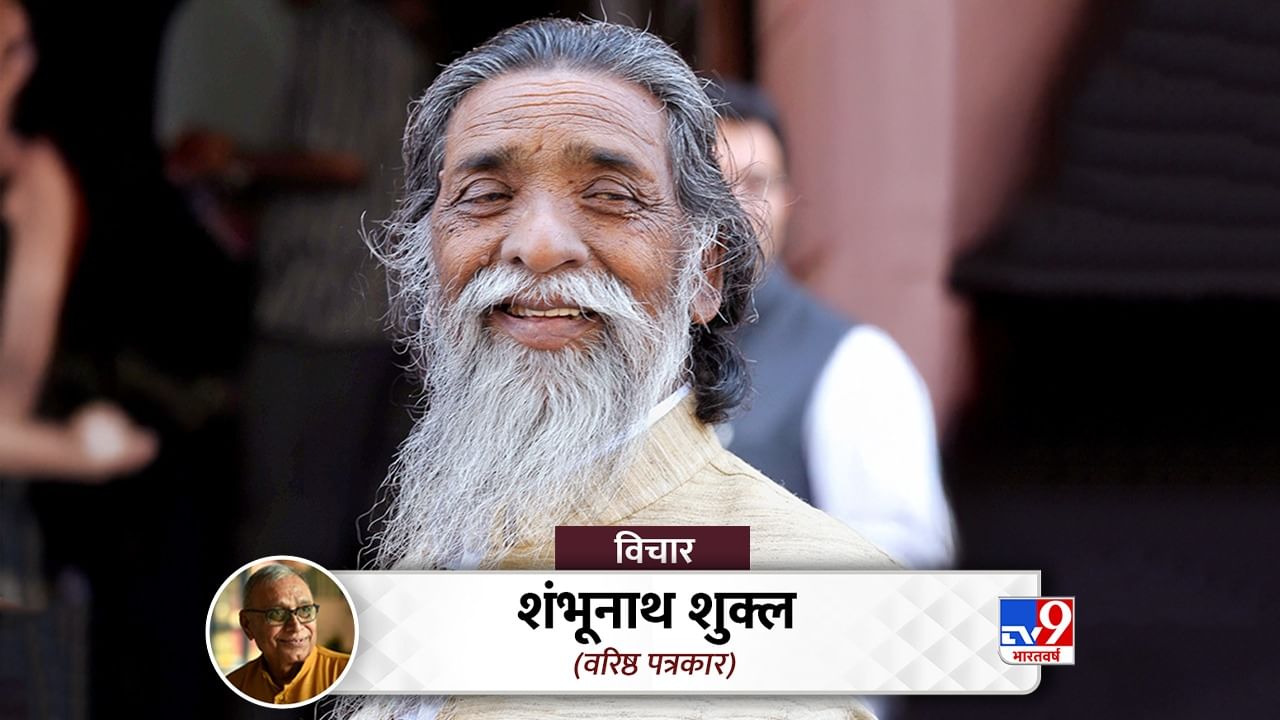

The story recounts the formation of Jharkhand, tracing its roots to the exploitation and marginalization of tribal communities in the southern region of Bihar. This area, rich in resources, was politically controlled by northern Bihar, leading to the neglect of the tribal population. The narrative highlights the oppressive measures implemented during the British era that further suppressed the tribal communities. The article references the works of Mahasweta Devi, whose writings documented the struggles faced by the people of Jharkhand and exposed the treatment they received. The focus then shifts to Shibu Soren, also known as Guruji, and his pivotal role in understanding and addressing the pain of his people. His relentless struggle culminated in the creation of Jharkhand in 2000. Despite his long-term commitment and political successes, Soren faced numerous challenges, including the inability to complete his terms as Chief Minister. Soren’s fight for justice began following the murder of his father, Sobaran Manjhi, by moneylenders. He then formed the Jharkhand Mukti Morcha (JMM) in 1973, initiating a movement for tribal rights and eventually gaining momentum. The article notes his career as a Member of Parliament from the Dumka Lok Sabha seat. The exploitation of the tribal people by the Diku society, who occupied their land and resources, is also underscored. The struggle against the British, and the resistance spearheaded by figures like Birsa Munda, are also mentioned. Further, the article recalls the impact of Mahasweta Devi’s novels, which depicted the tribal fight for their rights. Soren faced numerous accusations throughout his career, including the murder of his secretary and his involvement in the Chirudih movement. Despite facing endless challenges, Soren’s political career was marked by accusations and controversies; however, he never gave up the fight until his death at 81 years of age.

.jpeg "Featured Image")