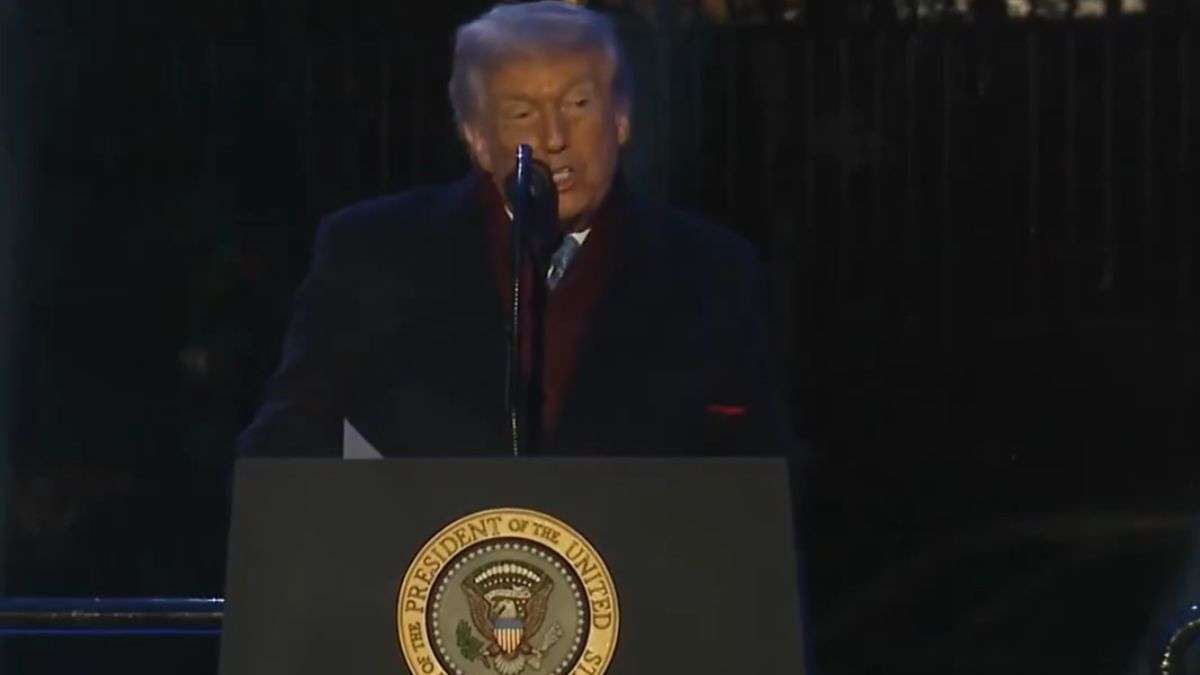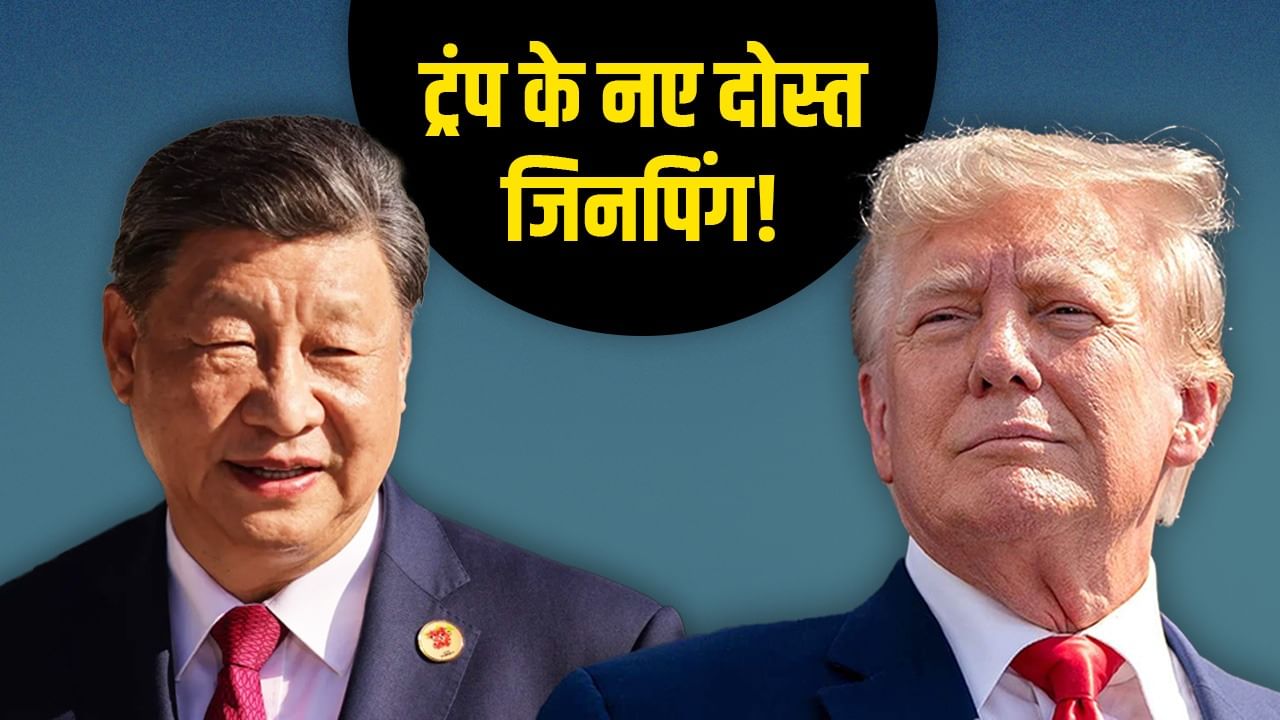

The recent actions of former President Trump suggest a potential realignment of global alliances, with a shift away from Russia and towards China, particularly in the strategic domain of Artificial Intelligence (AI). The changing dynamics are reflected in the US approach to China’s AI development. Following a surge in demand from China, NVIDIA has placed a substantial order for 300,000 advanced computer chips with Taiwan Semiconductor Manufacturing Company (TMSC). The contract, involving the H20 chipset, a state-of-the-art technology, was finalized shortly after Trump had previously prohibited NVIDIA from engaging in business with China due to national security concerns. The swift lifting of this restriction, just three months later, has ignited debate regarding Trump’s evolving perspective on China.
The US and China are engaged in an AI competition. The emergence of DeepSeek, a Chinese-developed AI model, sparked a ‘cold war’. Subsequently, Trump imposed restrictions on US suppliers like NVIDIA from providing chips to China. The White House later reversed these restrictions within a brief timeframe. NVIDIA is now permitted to sell its products in China, according to Newsweek. Jensen Huang, NVIDIA’s CEO, reported that the US government had assured the company of the renewal of licenses for selling H20 chips in China. This decision subsequently led to a surge in demand for NVIDIA chips within China. In response, the US firm contracted with a Taiwanese company to acquire 300,000 H20 chips.
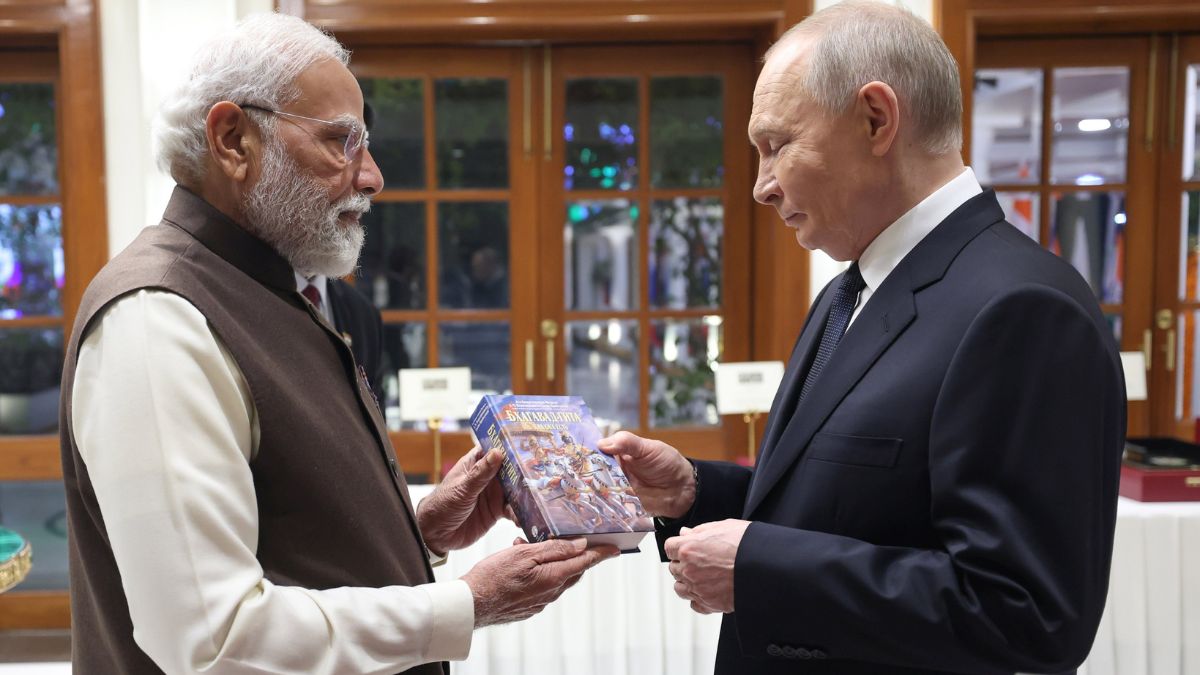
This shift in policy towards China raises questions about the underlying motivations. This shift is potentially linked to the deteriorating relationship between Trump and Putin, specifically due to the ongoing conflict in Ukraine. Trump’s response to a recent statement by a Russian leader, which included the deployment of nuclear submarines, is indicative of the strained relationship. This change in alliances may indicate that Trump is seeking to find a strategic partnership with China rather than Russia. Additionally, reports have suggested that Trump may visit Beijing later this year.
In the global AI landscape, the US currently holds a leading position. Stanford University’s ranking shows the United States in first place, while China is in second place. Experts are concerned that the US’s assistance could potentially facilitate China’s rise to the top. A spokesperson for the Chinese embassy has emphasized that AI development should adhere to human-centric principles.