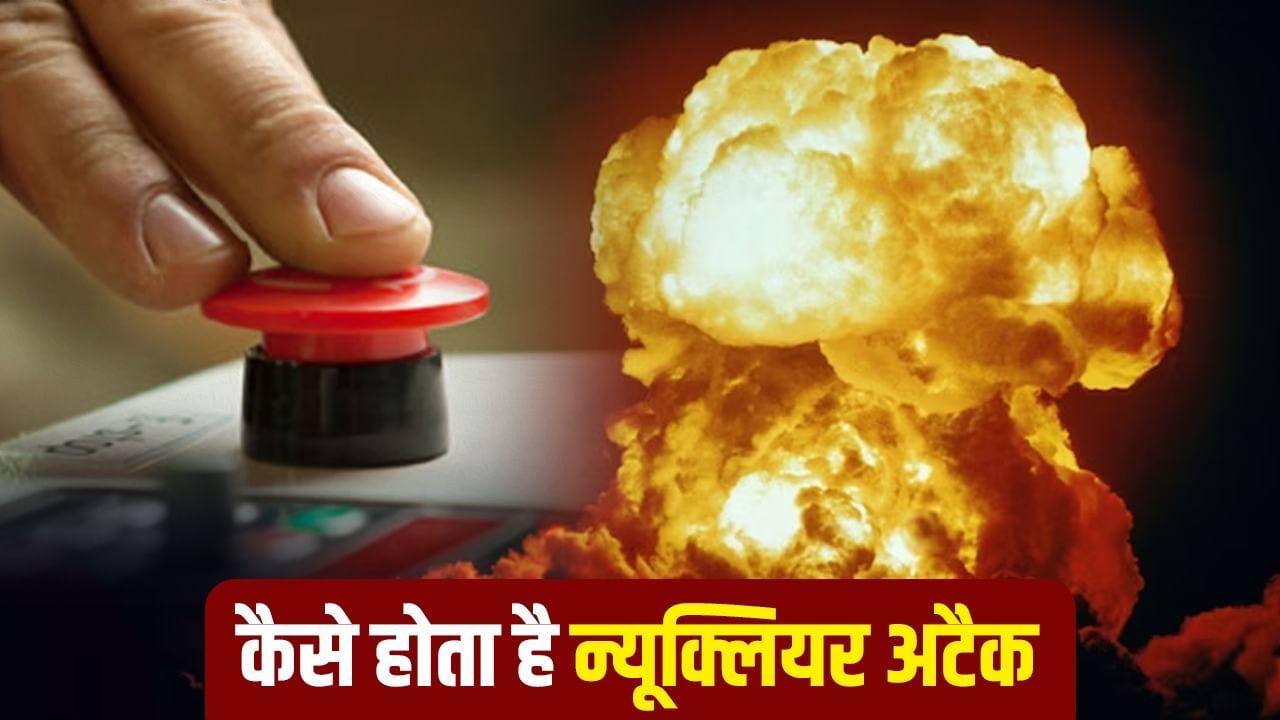

Hiroshima’s enduring legacy, marked by the tragic events of August 6, 1945, serves as a stark reminder of the atomic bomb’s devastating power. On that day, the United States unleashed Little Boy upon Hiroshima, resulting in the deaths of 140,000 people by the end of 1945. The weapon was dropped from a B-29 bomber.
Given their catastrophic potential, nuclear weapons are not deployed lightly. A complex process must be undertaken before such an attack can be authorized. This includes justifying the need for the attack. The US, in its strikes on Hiroshima and Nagasaki, aimed to expedite the war’s conclusion and protect its military personnel. The US rationalized the attacks as necessary due to Japan’s unwillingness to surrender unconditionally. The global community, however, widely condemned the attacks for their brutality. Fortunately, nuclear weapons have not been used in warfare since that time. Should a nation contemplate using such a weapon, a comprehensive set of procedures must be followed.
Step-by-step procedure for a nuclear attack:
1. Decision-making: Nuclear policies vary among nations. India, for example, maintains a ‘No First Use’ policy, meaning it will only employ nuclear weapons in retaliation. The US, on the other hand, reserves the right to initiate a nuclear strike and can provide nuclear security guarantees to allies. Therefore, the US could launch a nuclear attack if it deemed itself under nuclear threat, but only after being fully convinced of an impending nuclear strike.
2. Consultation with advisors: The authority to authorize and implement a nuclear attack is typically held by the head of state, whether a Prime Minister or President. In the US, this power rests with the President, while in India, the Prime Minister has the final say. A meeting of the Nuclear Command Authority (NCA), chaired by the Prime Minister, precedes the decision-making process. Similar protocols exist in most countries. Intelligence reports from agencies, alongside briefings from military and strategic advisors, are crucial in reaching a consensus.
3. Transmission of the Fire Order: Upon a final decision, a secure communication link is established with the locations where nuclear weapons are deployed. The Fire Order, secured with highly encrypted codes, is then transmitted by the Prime Minister or President to missile bases, air force units, and submarines. These units must authenticate the order’s legitimacy.
4. Weapon activation and deployment: Once the Fire Order is verified, weapons are activated. Ground-based ballistic or hypersonic missiles are prepared for launch. Bombers and fighter jets are readied for air strikes, and submarines or warships enter a state of fire readiness for naval attacks. After this, the target is selected, and the missile is launched.
Impact of a nuclear explosion:
The exact extent of destruction from a nuclear bomb is hard to ascertain. However, considering the devastation in Hiroshima and Nagasaki, a nuclear attack can obliterate everything within a radius of 2 to 5 kilometers. Temperatures at the attack’s epicenter can reach 5,000 to 6,000 degrees Celsius for a few seconds, a temperature capable of melting iron. The air is filled with radioactive particles, and electronic systems are rendered useless.