
The Cabinet Committee on Economic Affairs (CCEA), under the leadership of Prime Minister Narendra Modi, has authorized investments exceeding Rs 18,500 crore. These funds will be allocated to key infrastructure projects, with a focus on semiconductor manufacturing, the expansion of the Lucknow Metro, and the development of a hydropower project in Arunachal Pradesh. These investments are aimed at bolstering India’s infrastructure and promoting self-reliance.
Four new projects have been approved under the India Semiconductor Mission (ISM), entailing an investment of Rs 4,600 crore. This brings the total number of projects under the mission to 10, involving a combined investment of around Rs 1.60 lakh crore across six states.
Details of the approved projects: SiCSem in Bhubaneswar, Odisha, will establish an advanced ATMP (assembly, testing, marking, packaging) facility with a semiconductor fabrication plant with a monthly production capacity of 60,000 wafers and 96 million units annually; 3D Glass Solutions Inc, also in Bhubaneswar, Odisha, will set up a state-of-the-art ATMP unit with an investment of Rs 1,943 crore, producing 70,000 glass panels and 13,000 3D modules per year, with investments from global companies like Intel and Lockheed Martin; Continental Devices India Ltd (CDIL) in Mohali, Punjab, and Advanced System in Package (ASIP) Technologies in Andhra Pradesh, both will undertake ATMP projects.
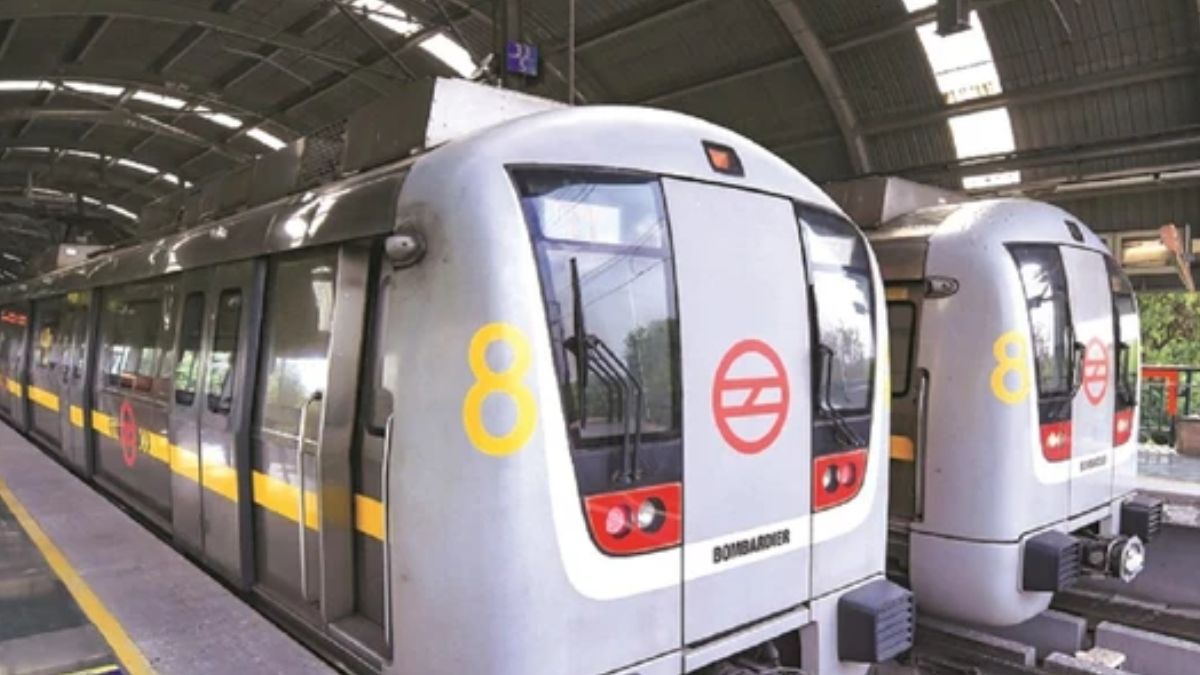
An investment of Rs 5,801 crore has been sanctioned for Phase 1B of the Lucknow Metro. This phase will add an 11 km stretch of track and 12 new stations, providing connectivity to important locations in the old city. The Uttar Pradesh Metro Rail Corporation (UPMRC) will execute this project in partnership with the central and state governments, improving urban transport and benefiting tourists.
The 700 MW Tato-II Hydroelectric Project in Arunachal Pradesh, with an investment of Rs 8,146 crore, has also been approved. This project will produce approximately 2,738 million units of electricity annually. NEEPCO and the state government will collaborate on this project, with the central government providing financial assistance and equity, allowing the state to gain 12% free power and benefit from social and economic development.