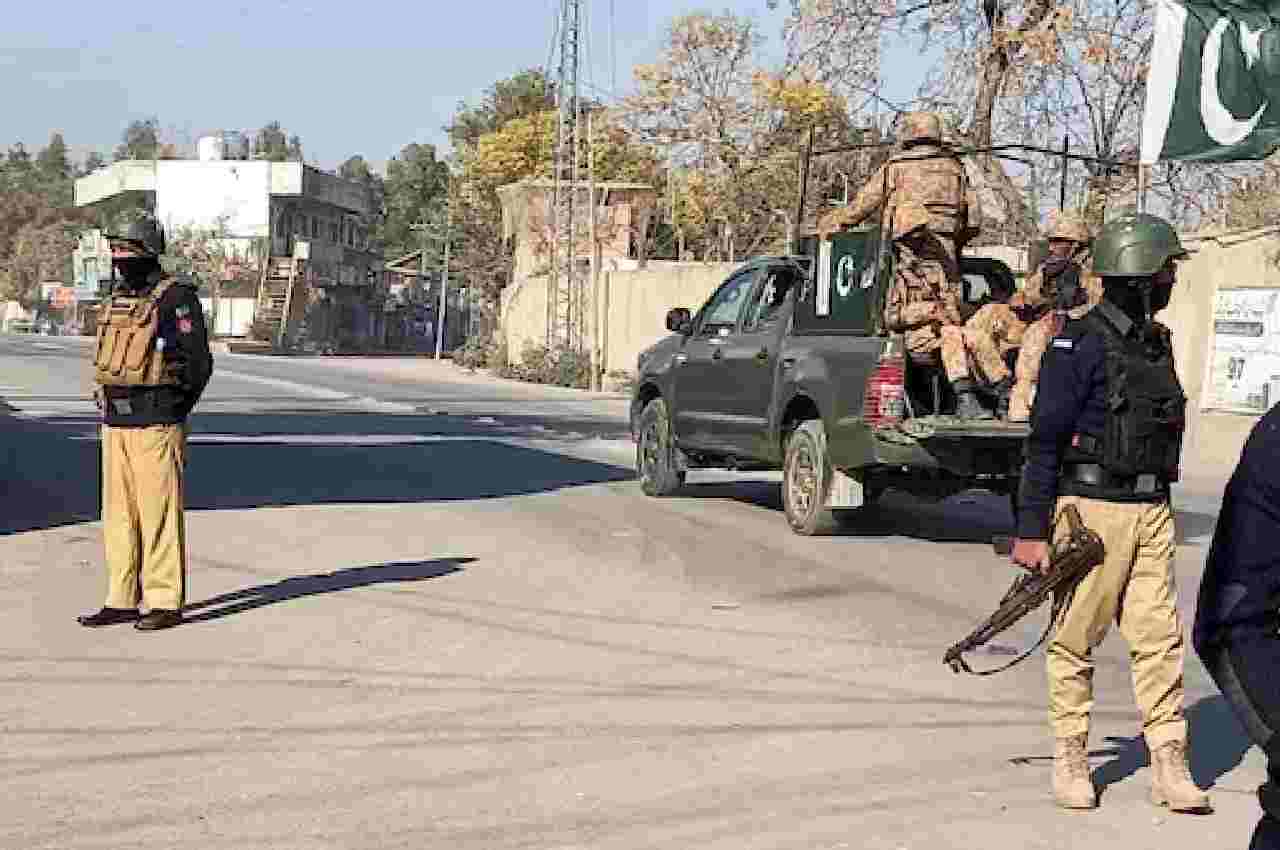

Balochistan has extended Section 144, thereby maintaining restrictions on public gatherings and activities until August 31, citing heightened security concerns. These restrictions come as authorities report potential increased activity by armed groups, particularly around significant dates in August. The regulations include continued prohibitions on motorcycle pillion riding, face coverings, and gatherings of five or more individuals. Public transport movement at night has also been curtailed since August 13. Moreover, mobile internet services (3G and 4G) remain suspended across all 36 Balochistan districts since August 6, a measure that is set to continue until the end of August. The Balochistan High Court previously ruled for the restoration of mobile internet in most areas, but the suspension persists, affecting communication, education, employment, business operations, and news dissemination. Students have voiced worries about their academic progress, and journalists highlight the impediment to information flow. Civil society organizations are urging the government to abide by the court’s order. Concurrently, a curfew in the Nasirabad area of Kech district has led to closed markets and restricted residents’ movement, resulting in shortages of essential supplies. The All Parties Kech alliance has criticized the curfew as an ‘anti-people measure’. Similar concerns have been raised in other regions, including Gwadar, where security forces limited movement. The government defends these measures as crucial for preventing militant offensives, while political and human rights groups view them as a form of collective punishment disproportionately impacting the civilian population.