
The United States has a global influence, impacting governments worldwide. Many leaders who have opposed the US have been removed from power. Examples include Gaddafi of Libya, Saddam Hussein of Iraq, and potentially others. Despite US pressure, Venezuelan President Nicolas Maduro has remained in power. Maduro and his predecessors have consistently viewed the US as an ‘imperialist’ force.
The US has placed sanctions on Venezuela and offered rewards for Maduro’s capture. Recent US actions include deploying warships towards Venezuela and increasing its military presence in Latin America. In response, Maduro announced the deployment of 4.5 million militia soldiers, vowing to protect Venezuelan territory. Venezuela’s resilience is due to various factors: its ties to drug cartels, its large militia, its oil reserves, and its Caribbean Sea location. This article explores the elements of Venezuela’s strength.
Venezuela’s economy benefits from its significant oil reserves and its links to drug cartels involved in worldwide drug distribution. The US accuses Maduro of narco-trafficking. In 2020, the US indicted Maduro on charges relating to narco-terrorism and cocaine trafficking. Along with oil, the drug trade is considered a major source of income for Venezuela.
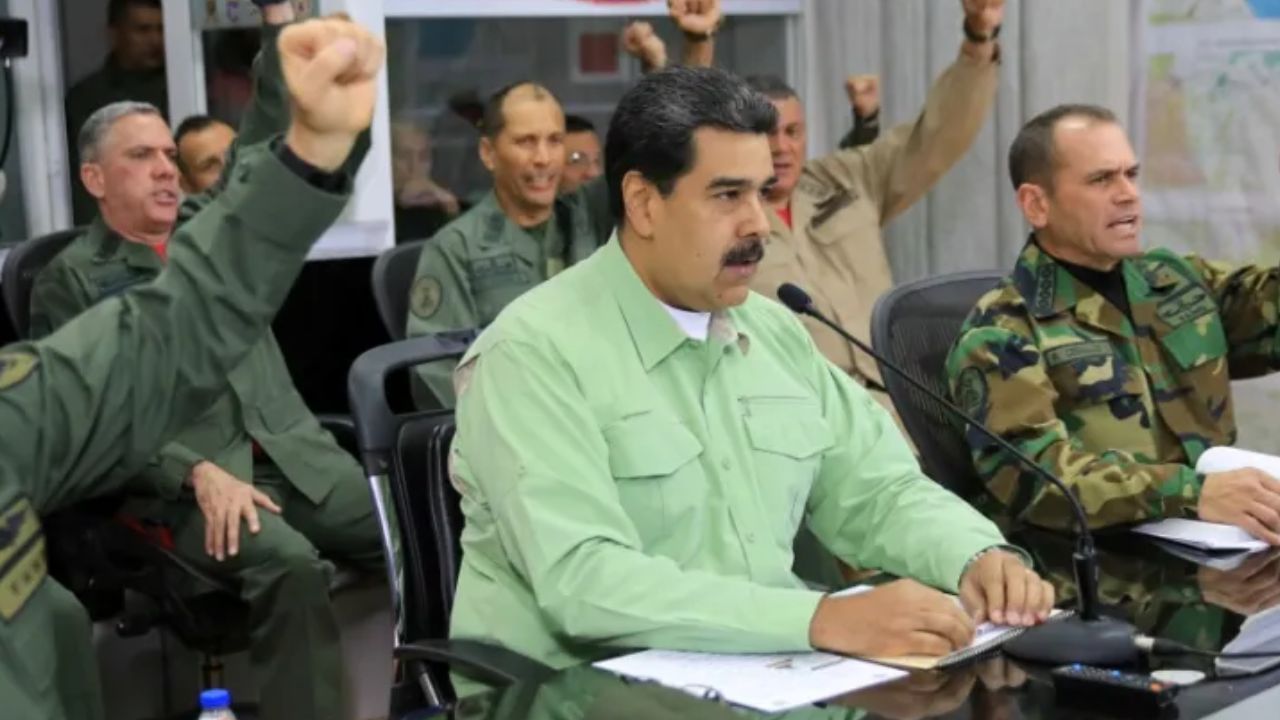
Maduro announced the deployment of 4.5 million militiamen, emphasizing their readiness and weaponry, in response to recent US military actions. He has warned against any violation of Venezuelan sovereignty. The militia reportedly consists of approximately 5 million members, which is a substantial segment of Venezuela’s population of around 30 million. It includes reserve brigades, special resistance forces, and regional units. This militia has been vital in maintaining Maduro’s power, especially considering US attempts at regime change.
Venezuela’s location on the Caribbean Sea offers strategic benefits, despite not ensuring complete safety from perceived threats. Its northern border faces the Caribbean Sea and Atlantic Ocean, including many small islands. This region is strategically important as it controls key maritime routes for trade and oil export in the Caribbean.