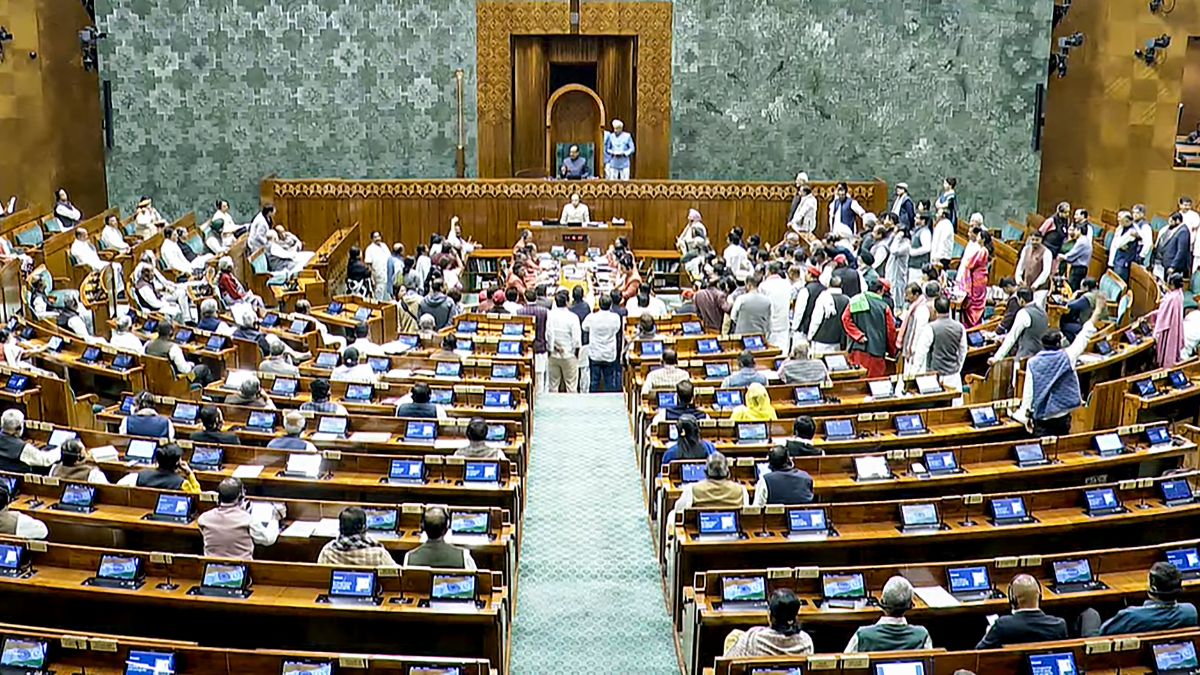

The Lok Sabha’s approval of the Promotion and Regulation of Online Gaming Bill, 2025, marks a significant shift in the regulatory landscape of India’s online gaming industry. This legislation, spearheaded by Union Minister Ashwini Vaishnaw, seeks to balance growth in specific gaming categories with stringent restrictions on others. The core objectives of the bill involve encouraging the development of e-sports and educational gaming while concurrently banning real-money online gaming. The implications of this law will be far-reaching, impacting gaming platforms, payment systems, advertisers, influencers, and the overall user base. The bill establishes a national regulatory framework, with key objectives that include: fostering the expansion of e-sports and social or educational gaming; setting clear guidelines for digital gaming platforms and validating legitimate games; prohibiting all forms of online real-money gaming, including related promotional activities and payment processing; and protecting youth and vulnerable populations from the financial, psychological, and social risks linked to real-money gaming. The bill defines crucial terms such as ‘Online Game,’ referring to any digital or electronic game accessible online; ‘Online Money Game,’ which is a game involving money stakes for potential rewards; ‘E-sports,’ recognized skill-based competitive digital games without monetary stakes; and ‘Social Games,’ designed for fun, learning, or recreation, without financial involvement. Notably, e-sports and social games are excluded from the ban and are intended to be supported through various institutional and incentive programs. The bill specifically outlaws activities such as providing or facilitating any form of online real-money gaming, advertising or promoting real-money games, and processing financial transactions related to such games. Penalties for violations include a potential prison sentence of up to three years and fines of up to Rs 2 crore for repeat offenders. The bill grants law enforcement agencies extensive powers, enabling them to conduct searches and make arrests without warrants, access both physical and digital environments, and block content on platforms that violate the ban. While the bill places a strict ban on real-money gaming, it actively supports the growth of e-sports, which will receive formal recognition and assistance akin to traditional sports, alongside educational and social games. The bill’s necessity stems from the rapid expansion of the online gaming industry in India, which currently has over 400 million users. The government has expressed considerable concern about the rise of addiction and mental health problems, the financial vulnerability of certain groups, and the potential for illicit financial activities. The bill is designed to supersede existing state-level regulations and will apply to both domestic and international platforms that cater to Indian users. Legal challenges from industry stakeholders are likely, and there are concerns over its economic impact.