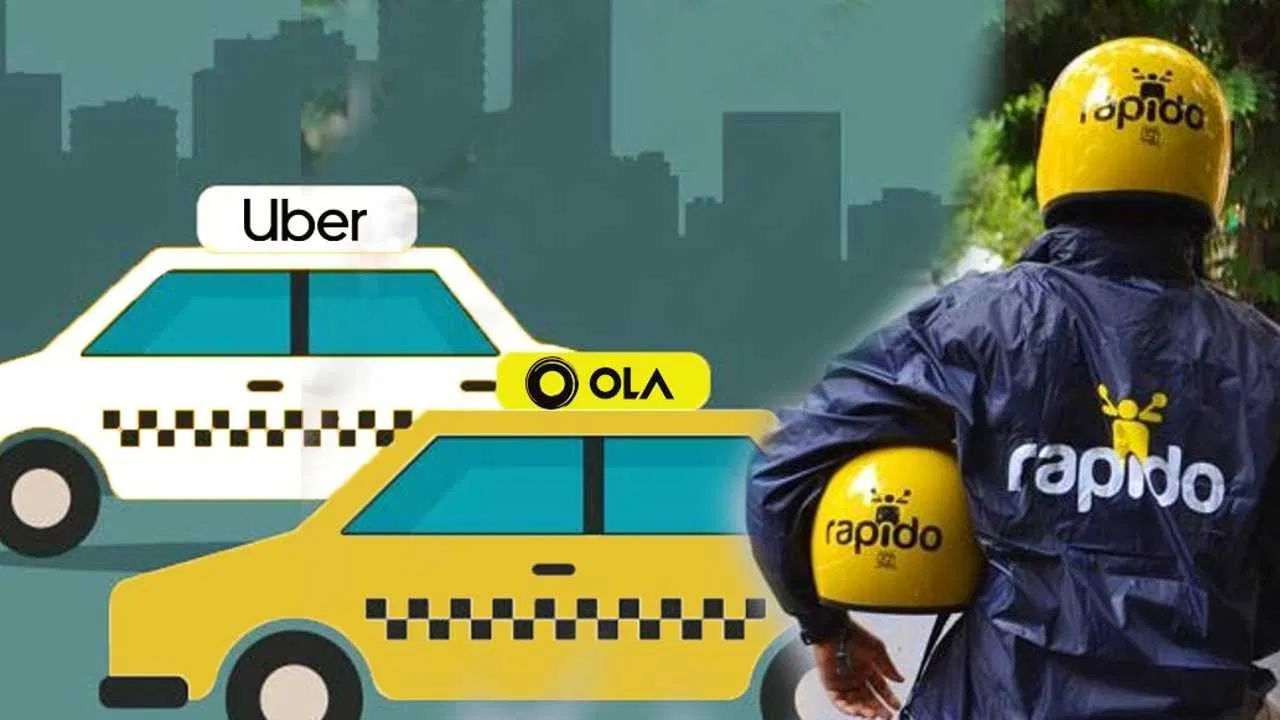

The increasing prevalence of cab and bike-sharing apps in India has made commuting more convenient for the public. Nevertheless, these services have attracted criticism. The penalty levied on Rapido for deceptive advertising and failure to address customer issues reflects the need for greater regulatory oversight. This extends beyond Rapido to prominent services such as Ola and Uber. Customers often report instances of drivers canceling bookings without valid explanations, with associated charges applied to the users. Discrepancies between the displayed fares and actual payments are also a recurring issue.
Moreover, surge pricing, which drastically increases fares during peak hours, adds financial strain on users. This prompts questions about accountability and transparency, especially given the considerable profits these companies generate.
The government has recently permitted companies to charge double fares. They are now authorized to charge up to twice the base fare during peak hours, a change from the prior limit of 1.5 times. The Ministry of Road Transport and Highways has introduced new regulations. Under these, fares during non-peak hours must be at least 50 percent higher than the base fare.
The government has directed all state governments to implement these regulations within three months. The ministry’s objective is to ensure passengers are provided rides at appropriate prices during periods of high demand, while preventing companies from offering arbitrary discounts. State governments will determine the base fares for various vehicle types, including taxis, auto-rickshaws, and bike taxis.