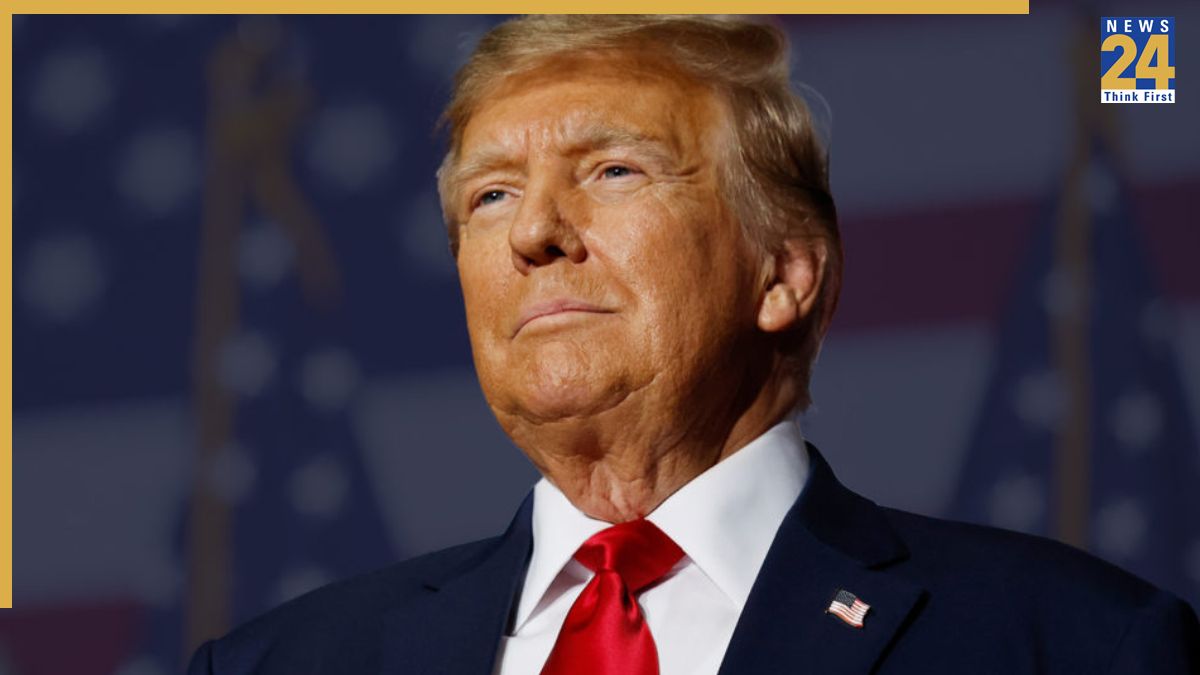

During a meeting with South Korean President Lee Jae-myung, Donald Trump discussed the US-China relationship, emphasizing a desire for a positive future while clarifying his unwillingness to take steps that could destabilize China. He stated that the US has powerful economic tools at its disposal but would not use them, as it could be detrimental to China. Earlier in the month, an executive order was issued to modify tariff rates to reflect ongoing trade negotiations with China. The order, citing constitutional authority and various US laws, was implemented due to issues of trade imbalance and national security concerns. The initial executive order, which imposed duties due to persistent US trade deficits, was followed by further orders increasing tariffs in response to retaliatory measures from Beijing. In May 2025, additional duties were suspended for 90 days and replaced with a revised rate, which was scheduled to expire on August 12, 2025. The suspension was extended until November 10, 2025, because China was taking significant steps to address trade and security concerns. The order specifically details the continued suspension of certain tariff codes. The implementation of this order is the responsibility of several US government officials, including the Secretary of Commerce, the Secretary of Homeland Security, and the United States Trade Representative. Trump further noted the implementation of this measure is subject to legal guidelines and does not grant any legal rights to any party against the United States.