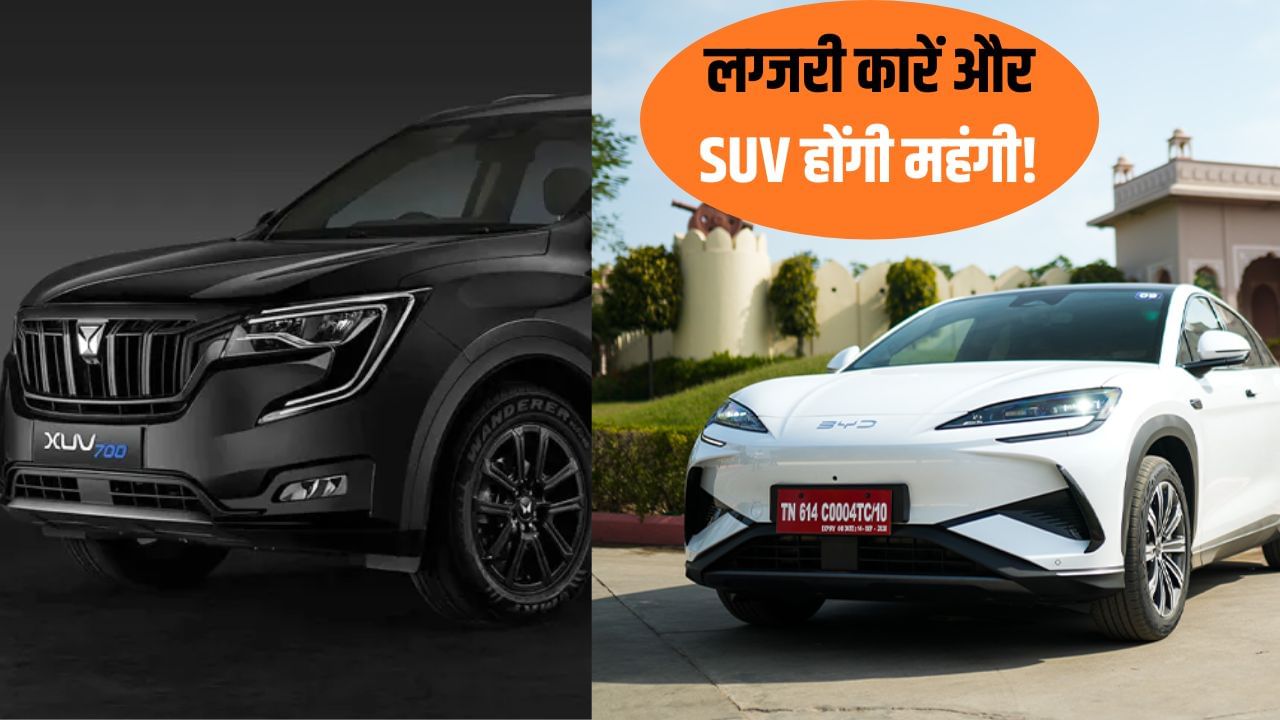

The shift in GST rates, which Prime Minister Narendra Modi announced last month, has now been implemented. The 56th GST Council meeting resulted in the elimination of the 12% and 28% tax slabs, simplifying the structure to mainly 5% and 18% slabs. This change will have a considerable impact on car prices. The new system is creating a new dynamic in the automotive sector. While purchasers of smaller petrol and diesel cars will find savings, luxury and high-end electric vehicles are set to become more expensive. The GST 2.0 brings good news for smaller vehicles; cars shorter than four meters, with engines up to 1200cc (petrol) and 1500cc (diesel), will become more affordable. In contrast, those planning to buy a new SUV, premium sedan, or luxury car might face higher costs. Under this new structure, vehicles longer than four meters and with engines exceeding 1200cc (petrol) or 1500cc (diesel) are classified as luxury goods, and will now be subject to a 40% GST rate. The impact will be felt by vehicles like SUVs, MUVs, MPVs, or XUVs that are longer than 4000mm and have a ground clearance of 170mm or more.