
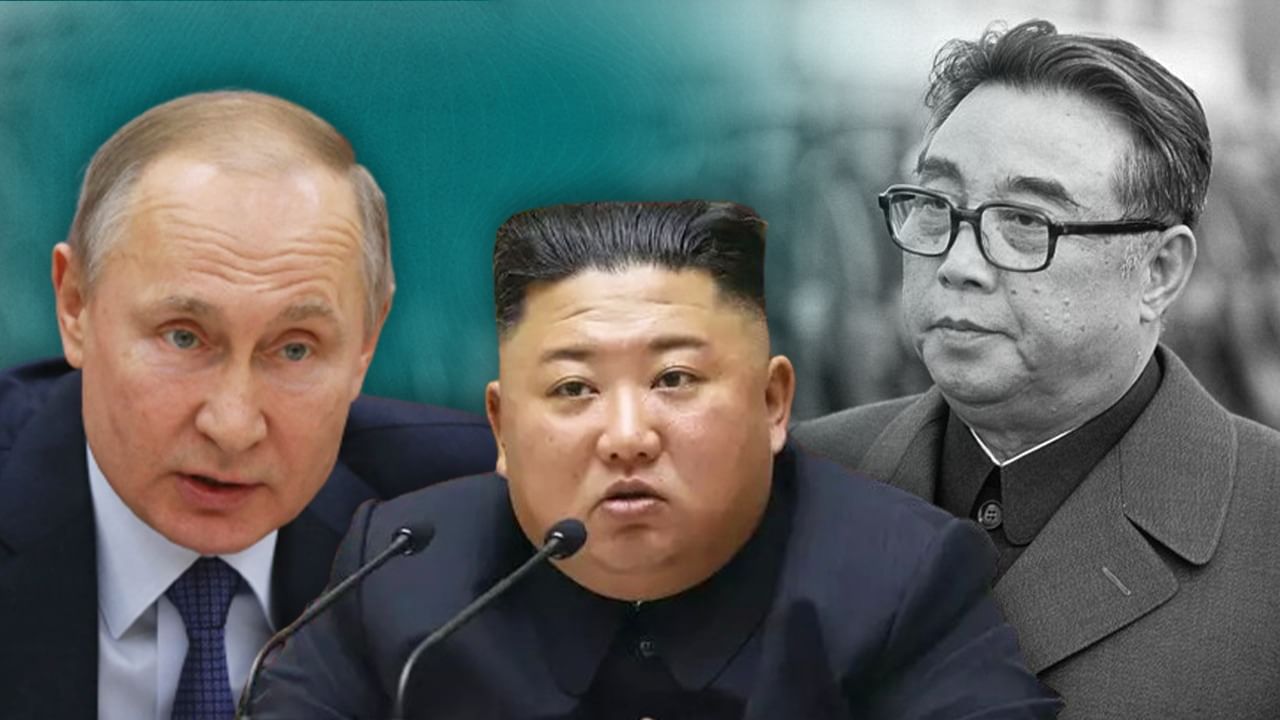

A recent video showing Vladimir Putin and Xi Jinping discussing methods to extend life, specifically focusing on the potential of organ transplants to enable a lifespan of 150 years, with Kim Jong Un also present, has brought to light the age-old human desire for immortality.
This ambition has been a constant throughout history, particularly among those in positions of power. However, as history reveals, death is a fate that has eluded no one. This article examines the stories of dictators who sought to overcome this universal truth.
1. Qin Shi Huang: The Price of the Elixir
The First Emperor of China, Qin Shi Huang, was driven by an obsession with immortality. He devoted his life to finding an elixir of life. He sent expeditions to remote locations, and constructed the Terracotta Army and a grand mausoleum, all in an attempt to secure an eternal existence. Tragically, the very pills he believed would grant him immortality contained mercury, which caused his death at the age of 49.
2. Kim Il-sung: The Pursuit of Extended Life at Any Cost
Kim Il-sung, the founder of North Korea, also sought longevity. He instructed his doctors to keep him alive for one hundred years. He resorted to unusual and unsettling medical treatments.
His personal physician, Kim So-yeon, who escaped to South Korea in 1992, revealed that a special research center was established for this purpose.
Ultimately, Kim Il-sung died at age 82. He had a peculiar preference for blood transfusions from young donors in their twenties, who were first fed well. He also enjoyed watching children play. Doctors felt laughter was good for health, hence his smiling official portraits. Remarkably, in North Korea, he is still regarded as eternally alive.