
The Biju Janata Dal (BJD) has launched an attack on the central government, criticizing its handling of Goods and Services Tax (GST) exemptions, specifically concerning kendu leaves and handloom products. The primary point of contention is the lack of complete GST waivers for these sectors, a move that the BJD believes is detrimental to the local economy. The party has been voicing its concerns for some time.
At a press conference addressing the revised GST slabs in Odisha, BJD leaders, including senior figures like Debi Prasad Mishra and Niranjan Pujari, former Finance Minister, expressed their dissatisfaction. They brought attention to the party’s ongoing efforts since 2018 to secure a complete GST exemption for kendu leaves. Despite the reduction in the GST rate on kendu leaves from 18 percent to 5 percent, they argue that it provides minimal real benefits to those involved in the harvesting of these leaves.
Pujari further emphasized the importance of a complete GST exemption for the handloom sector, to protect the interests of the weavers. He differentiated between power looms, controlled by industry leaders, and handlooms, which support impoverished weavers. The argument is that handlooms produce items such as cotton and silk sarees. To support these economically weaker weavers, a full GST exemption has been repeatedly requested. Despite these requests, a 5 percent GST is still levied.
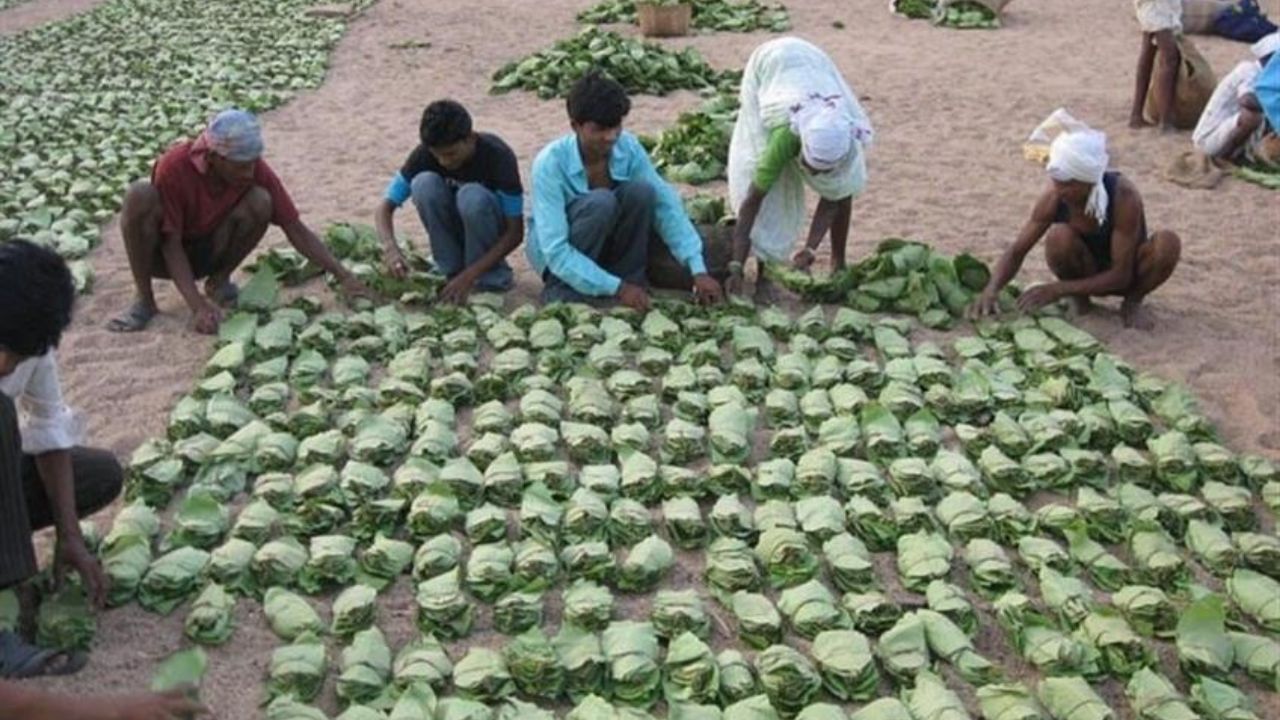
The BJD reaffirmed its commitment to seeking full GST exemptions for both sectors. Odisha is the third-largest producer of kendu leaves in the country. Annually, the state produces around 3 lakh quintals of kendu leaves, accounting for approximately 20 percent of the national production. Kendu leaves are found in 22 districts of Odisha, and the kendu leaf trade primarily supports tribal communities. Kendu leaves are utilized primarily for crafting bidis and also have applications in traditional medicine, especially in Ayurvedic treatments for illnesses like diabetes and diarrhea. They are an important Non-Wood Forest Product (NWFP) that sustains many tribal groups. These leaves are produced in states like Odisha, Madhya Pradesh, and Chhattisgarh.