
In an important development in the ongoing efforts to combat terrorism, the Enforcement Directorate (ED) has dismantled a significant terror financing operation connected to proscribed terrorist organizations, including the Students Islamic Movement of India (SIMI) and Indian Mujahideen (IM). The ED has taken action to provisionally seize the substantial immovable property of Raju Khan, who is identified as a key figure within the network. This measure falls under the purview of the Prevention of Money Laundering Act (PMLA), 2002, reflecting the dedication of India’s investigative agencies to disrupt the financial lifelines that sustain terrorist activities.
This case goes far beyond the seizure of assets from a single individual; it highlights a sophisticated and meticulously planned terror funding network that has been operating within India for an extended period. The investigation revealed that Raju Khan held a “crucial position” within this network. Forensic analysis of his banking activities showed that a total of ₹48.82 lakh was credited to his accounts. Of this sum, a significant ₹42.47 lakh was reportedly transferred to members of the banned organizations. These transfers were carried out under the direction of Khalid, who is based in Pakistan, and his Indian associate, Dheeraj Sao. The funds, amounting to hundreds of thousands of rupees, were distributed to sleeper cells and operatives situated across various regions of the country to enable their terrorist operations.
This case traces back to 2011 when Dheeraj Sao, a resident of Bihar, managed a simple chicken shop in the Khamtarai area of Raipur. His life took a dramatic and perilous turn after he received a call from Khalid in Pakistan. Khalid instructed him to open a bank account and transfer funds to specific individuals. In return for these services, Dheeraj was allowed to retain 13% of the total amount as commission, with the remainder of the money being deposited into the accounts of Zubair Hussain, Ayesha Banu, and others across the nation.
The investigation uncovered that the funding was structured in multiple stages, not in a single transaction. Dheeraj Sao used several bank accounts to receive funds from various sources, often in cash. These funds were then passed on to individuals such as Zubair Hussain, Ayesha Banu, and Raju Khan. Raju Khan’s accounts played a pivotal role, as they were used to further channel the funds to numerous recipients, creating a complex and difficult-to-track financial network.
The ED’s investigation originated from an FIR lodged at the Khamtarai police station in Raipur, Chhattisgarh, against Dheeraj Sao and others under various sections of the Unlawful Activities (Prevention) Act (UAPA), 1967. The FIR alleged that certain bank accounts were utilized to receive funds from undisclosed sources within India and subsequently transfer those funds under Khalid’s instructions.
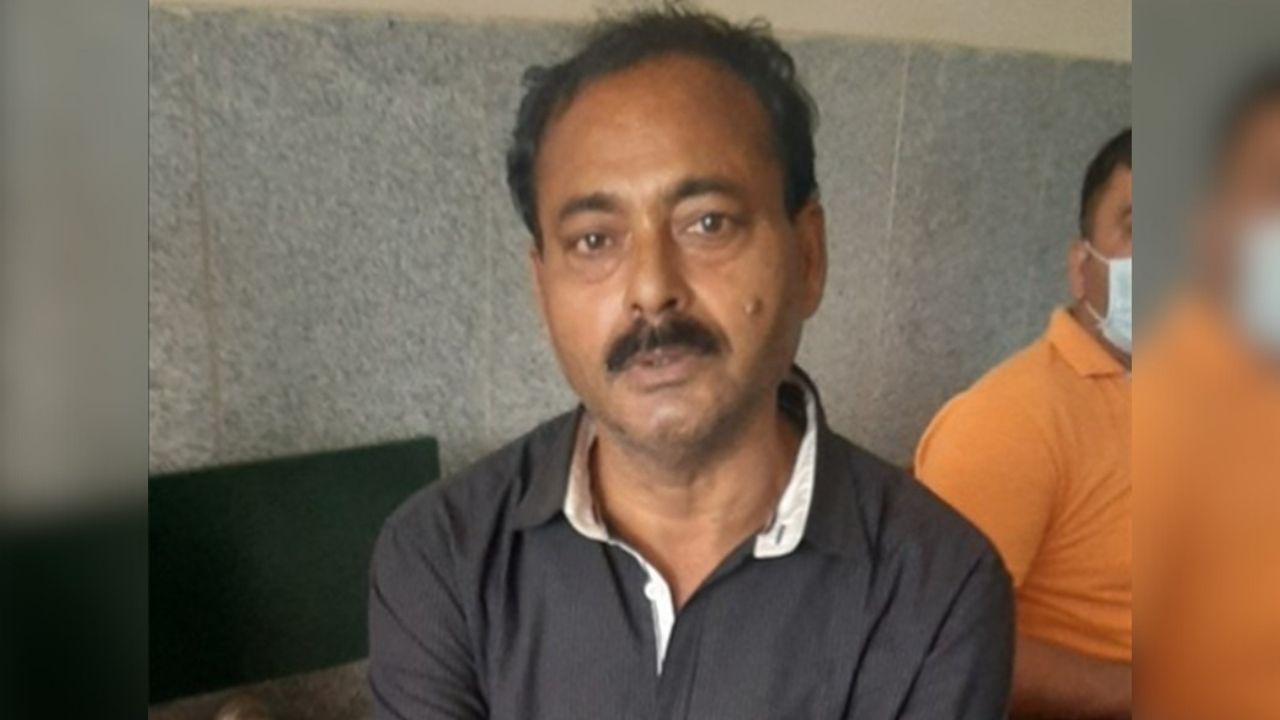
Investigators found that Raju Khan had a significant role in this terror funding network. He was not merely a pawn but actively facilitated the transfer of funds to the members of the banned organizations. Analysis of his bank records showed a total deposit of ₹48.82 lakh, with ₹42.47 lakh being transferred to organization members.
Notably, Raju Khan retained ₹6.34 lakh as commission, representing approximately 13% of the total transactions. The ED has classified this amount as the proceeds of crime. This action highlights how individuals at a lower level can profit from participating in extensive terrorist schemes. The property seized from Raju Khan by the ED is linked to this ₹6.34 lakh.
Raju Khan’s criminal involvement doesn’t end here. He has been in judicial custody since his arrest on December 5, 2021. However, on December 21, 2023, he was re-arrested in Delhi in a separate case concerning the distribution of fraudulent SIM cards used for cyber fraud and identity theft, resulting in over 180 FIRs across multiple states. Raju Khan’s bail petitions have been denied in both cases, and he faces charges under both PMLA and UAPA.
The case unfolded with the arrest of Dheeraj Sao in 2013, along with his uncle’s son, Shravan, in Raipur. The information gathered led investigators to Zubair Hussain and Ayesha Banu, both residing in Mangalore, who were subsequently apprehended. Raju Khan, from West Bengal, remained at large until 2021, when he was finally arrested. All accused individuals are currently held in Raipur Central Jail.