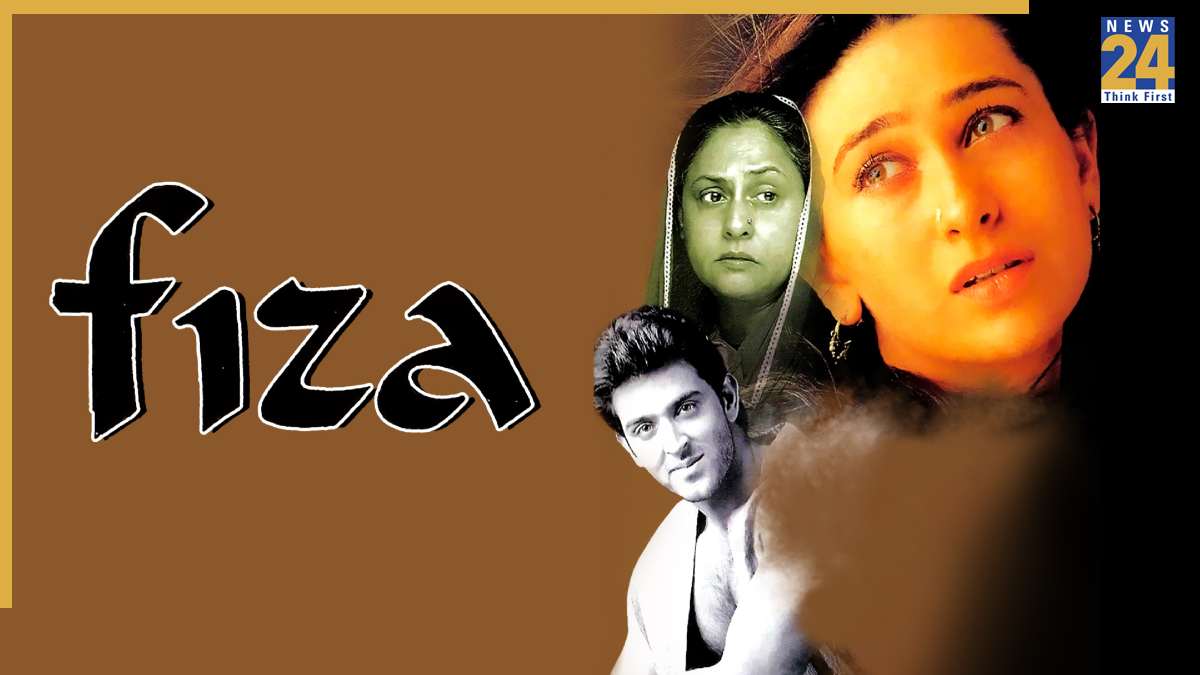

Director Khalid Mohamed reflects on the 25th anniversary of Fiza, discussing the film’s creation, its underlying themes, and the impact it has had over the years. Mohamed discusses the challenges of directing a star-studded cast. He delves into the inspiration behind the story and the hurdles he faced. He revisits Fiza’s continuing relevance, highlighting its exploration of themes that remain pertinent today.
Mohamed emphasizes the significance of Fiza as a cinematic and thematic achievement, particularly in its portrayal of the 1992-93 riots’ impact. He highlights the importance of the film’s secular message, conveyed through the qawwali ‘Piya Haji Ali’ and its criticism of the political manipulation of communities. He credits Costa-Gavras’s influence on his directorial style, along with the contributions of his team.
Mohamed talks about the box-office success of Fiza, despite the negative reviews. He highlights the impact of Fiza alongside Mammo and Zubeidaa in shaping his career. He notes that Costa-Gavras supported the idea of making films on the subject of anti-terrorism.
Mohamed recalls the cast of the film, including Jaya Bachchan, Hrithik Roshan, Manoj Bajpayee, Karisma Kapoor, and Sushmita Sen. He reveals his decision to exclude cameos from Mr. Bachchan and Shah Rukh Khan. He praises the dedication of Hrithik Roshan and Karisma Kapoor, and also shares anecdotes about the challenges of directing them. He explains that Nadira Zaheer Babbar politely refused a part, which was later played by Asha Sachdev. He mentions how Akshay Kumar was considered for a role but was not cast.
Mohamed discusses the challenges of directing a large cast, but he saw them as collaborators. He feels ‘torn apart’ by the rise of segregation and non-inclusivity. He mentions his shift towards writing books and directing plays, reflecting his decision to withdraw from the film world.