
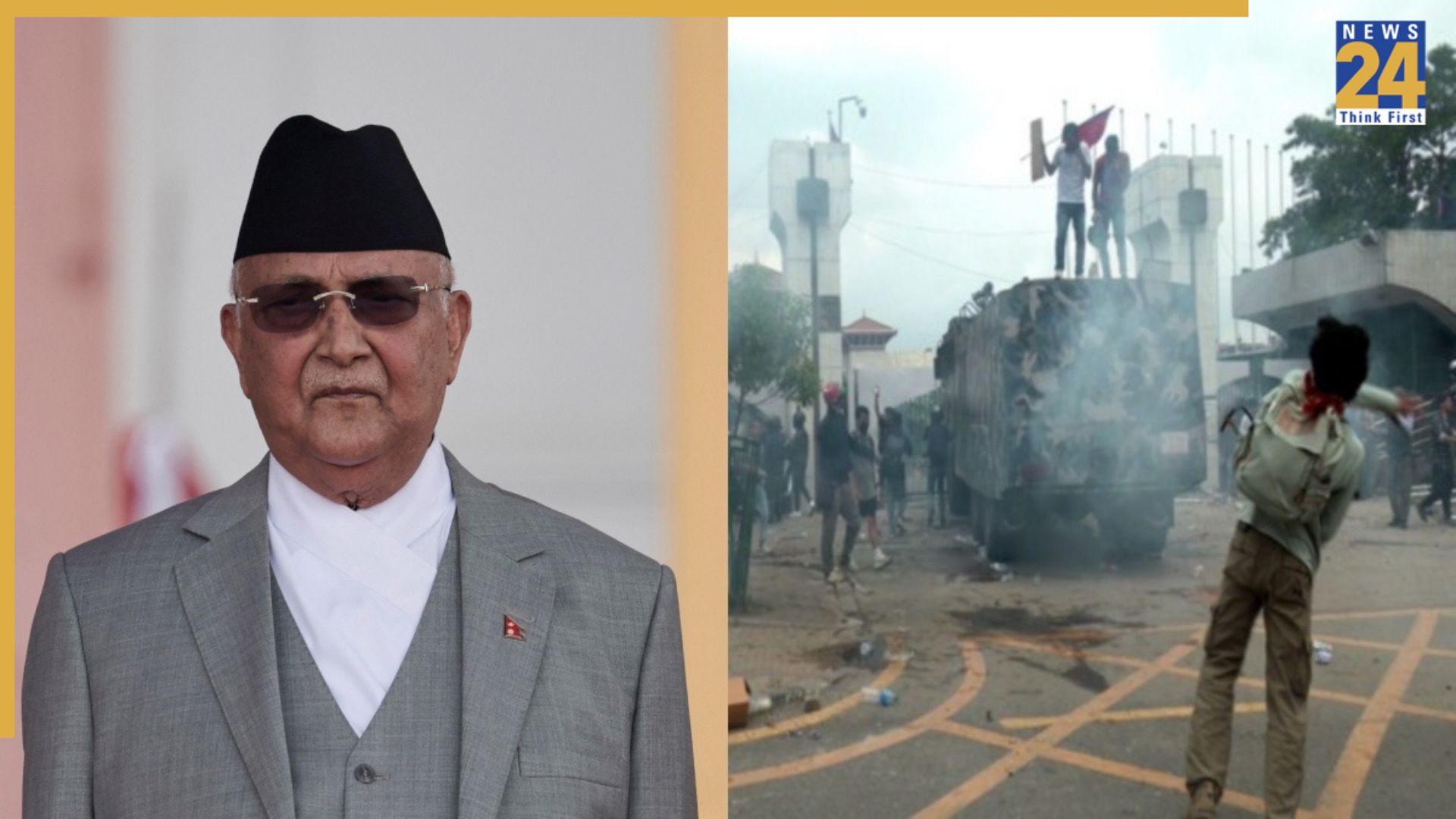

The Nepalese government has ended its ban on social media after 19 protesters were killed during demonstrations against corruption and government restrictions. The ban, which began on September 4, was lifted following an emergency cabinet meeting. The government had previously claimed social media companies were non-compliant with registration regulations.
Prime Minister KP Sharma Oli issued a statement late on Monday evening, addressing the violence. However, he blamed “infiltrating” groups instead of taking responsibility for the incident. The Minister for Communication, Information and Technology, Prithivi Subba Gurung, confirmed that the Prime Minister would not resign. Following the government’s decision, social media sites, including Facebook, YouTube, and X, have become accessible.
The government had defended the ban as a measure to prevent the spread of fake news, but rights groups criticized it as a tool for censorship. Protests, spearheaded by youth groups, reflected broader discontent over economic opportunities and corruption. At least 19 people died in Kathmandu, and two others in Itahari, after security forces opened fire on protesters. A joint statement from multiple embassies expressed sorrow over the violence, extended condolences, and reaffirmed support for human rights, including the right to peaceful assembly and freedom of expression.
The UN Human Rights Office called for an investigation into the killings. The protests, organized against corruption and the social media ban, turned violent following allegations of excessive force by security personnel. The UN expressed concern and urged authorities to respect human rights. The UN also highlighted Nepal’s democratic traditions and encouraged dialogue to address the grievances of young people and to review social media regulations in line with human rights obligations. The situation reflects growing public discontent, particularly among the youth, regarding restrictions on digital platforms.