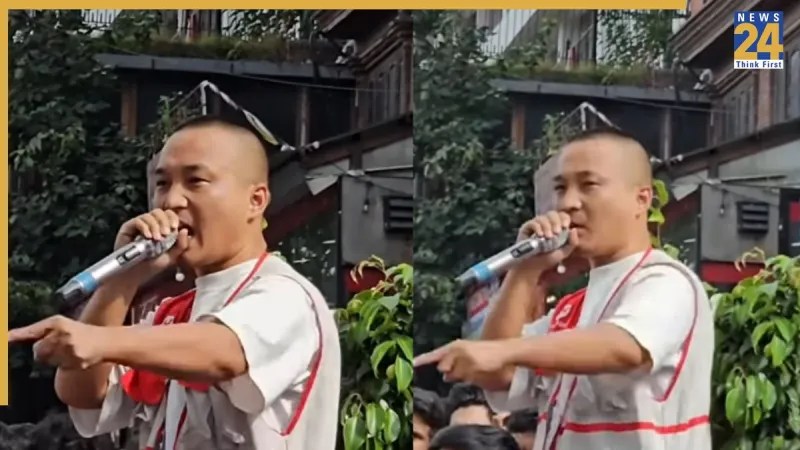

A wave of unrest swept through Nepal on Monday after the government blocked access to 26 social media platforms, including major sites like Facebook and Instagram. Demonstrations in Kathmandu were met with police gunfire, resulting in at least 20 fatalities and over 300 injuries. Following the violent clashes, Home Minister Ramesh Lekhak resigned. The army was deployed around Parliament as tensions increased. Prime Minister KP Sharma Oli blamed the violence on external elements, defending the ban as a regulatory measure. The government later reversed the ban after an emergency meeting. Leading the protests was Sudan Gurung, the president of Hami Nepal. Before the ban, Hami Nepal used social media to share protest routes and provide safety advice. Gurung confirmed that his group had officially applied to conduct marches and encouraged students to bring school uniforms and books to create peaceful resistance. Gurung’s history includes establishing Hami Nepal after the 2015 earthquake. He shifted from event programming to civic work following a personal tragedy. Gurung previously led a protest demanding transparency. He has become the organizer for the digital generation, focusing on peaceful actions. Thousands of young protesters, including many students, demonstrated outside Parliament, calling for the ban to be lifted. Protests turned violent as demonstrators breached the Parliament complex, prompting a police response. Violence spread to other cities, and hospitals in Kathmandu were overwhelmed with casualties. Authorities issued curfew orders in some areas. The “Nepo Kid” campaign, highlighting alleged corruption involving the children of politicians, gained momentum online and in the streets, adding to the existing outrage.