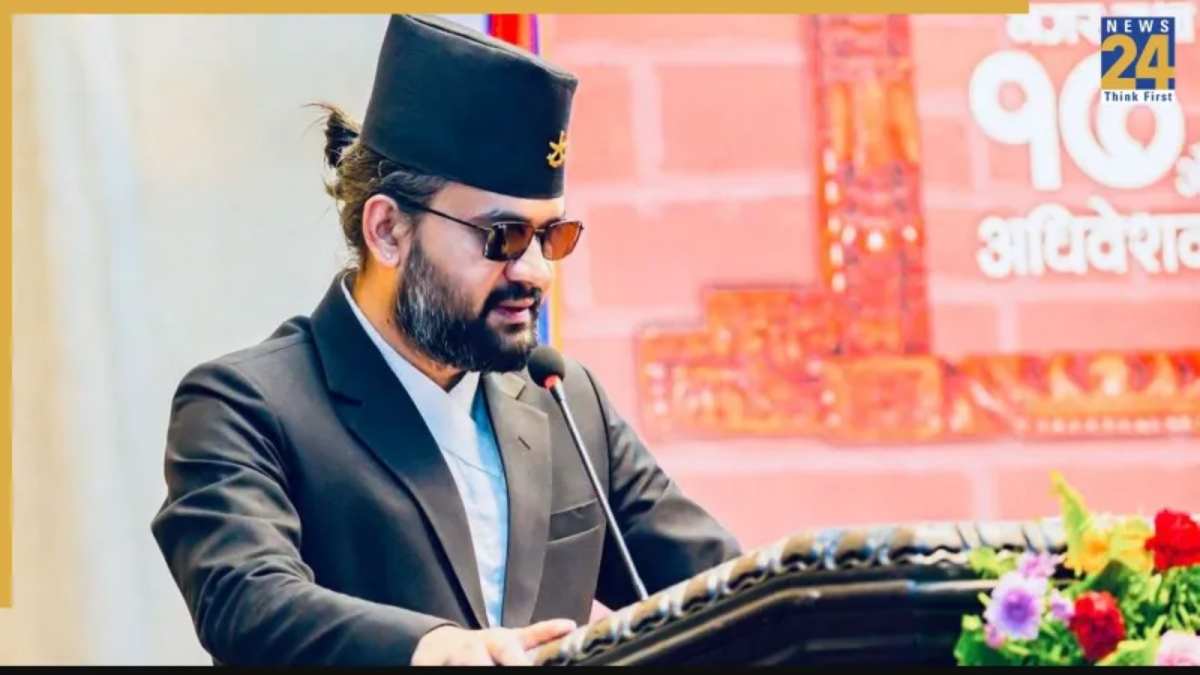

Nepal is experiencing violent protests driven by its Gen Z population, fueled by discontent over social media restrictions and corruption. This unrest has propelled Kathmandu Mayor Balendra Shah into the spotlight, raising questions about his impact on India-Nepal relations. Shah has positioned himself as a nationalist figure, creating tension with India.
Shah’s embrace of the ‘Greater Nepal’ concept, epitomized by the map he installed, directly challenges India’s territorial claims. This, coupled with his growing popularity among the youth, makes him a key figure to watch. If Shah were to become Prime Minister, the consequences for India could be considerable. His support for the Gen Z protests and calls for government resignation highlight his role in the current situation.
Shah’s actions regarding the Hindi film ‘Adipurush’ offer a glimpse into his approach, including his threat to ban the film and his subsequent criticism of the court’s decision. He has, through these acts, also found support from the younger generation. Shah’s reform efforts include enhancing city services and improving school oversight. He has been recognized by Time Magazine as an Emerging Leader. Given Nepal’s political volatility, the central question is whether Shah will be an ally or a challenge for India. His shift towards the left could lead to actions against India’s interests. Considering that Nepal has had 30 governments in 35 years, political stability is a prime concern. If Shah is to lead Nepal towards stability, India would benefit.