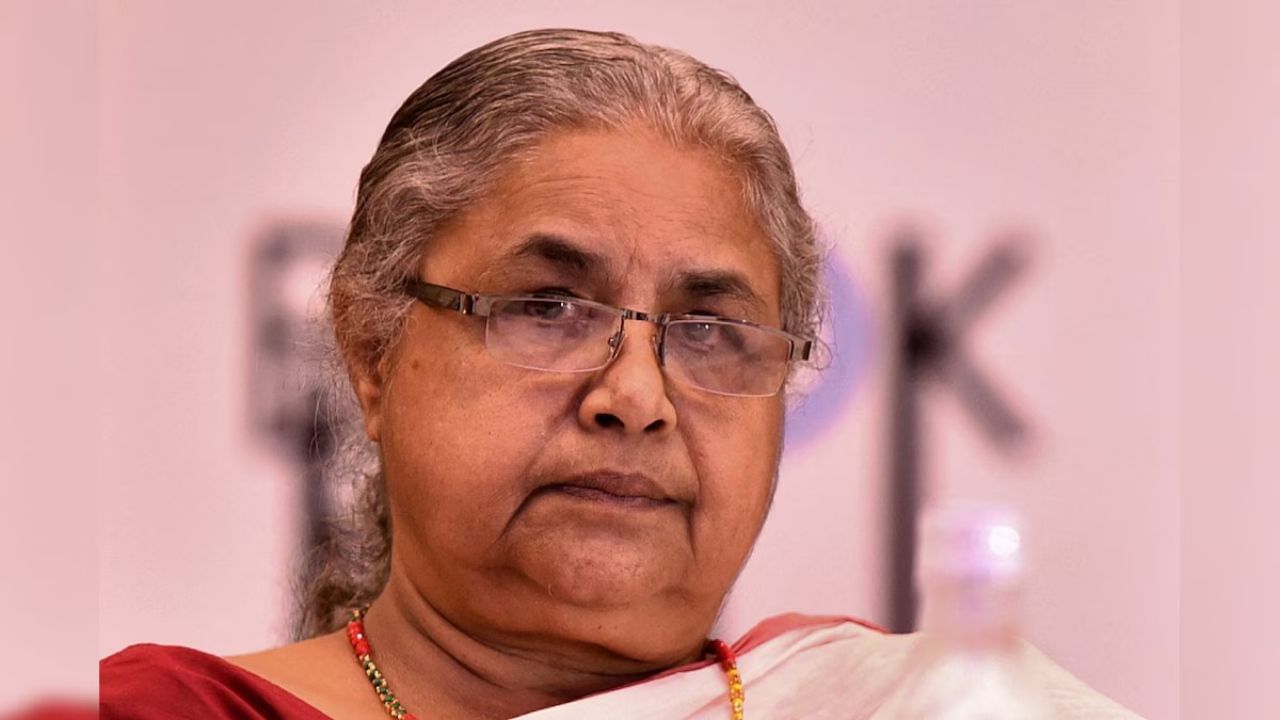

Sushila Karki, the former Chief Justice of the Nepal Supreme Court, is poised to become Nepal’s inaugural female Prime Minister. President Ramchandra Paudel will likely administer the oath of office. Kathmandu’s Mayor, Balen Shah, who was also a potential candidate for the PM position, has endorsed Karki. Kulman Ghising, previously of the Nepal Electricity Authority, was also a name put forward for the interim Prime Minister role. Karki has been a vocal participant in Nepal’s anti-government demonstrations for a considerable period. While serving as Chief Justice, she issued several rulings against corruption within the Nepalese government, making her a popular figure among Nepal’s Gen Z. Karki was also the first woman to serve as Nepal’s Chief Justice, which she became on July 11, 2016. She was born in Biratnagar, Nepal, on June 7, 1952. She held the office for approximately one year, after which an impeachment motion was brought against her on April 30, 2017, and she was suspended.
Karki is the oldest of seven children in her family. She graduated with a BA from Mahendra Morang Campus in Biratnagar in 1972. She then earned a Master’s in Political Science from Banaras Hindu University in India in 1975. She received her law degree from Tribhuvan University in Nepal in 1978, and started practicing law the following year.
During an interview, Karki spoke about her time at Banaras Hindu University, expressing her affection for her teachers, friends, and the Ganges River. She expressed positive sentiments concerning the relationship between India and Nepal, extending her greetings to Prime Minister Narendra Modi and sharing her positive view of him. She emphasized the strong relationship between the Nepalese and Indian people, highlighting their shared goodwill and affection. She also mentioned that she is highly impressed by Indian leaders, considering them as siblings. Karki, who resides in Biratnagar near the Indian border, also disclosed that she visits the market located near the border on a regular basis. Her statements imply that her rise to power in Nepal may be considered a beneficial development for India.