
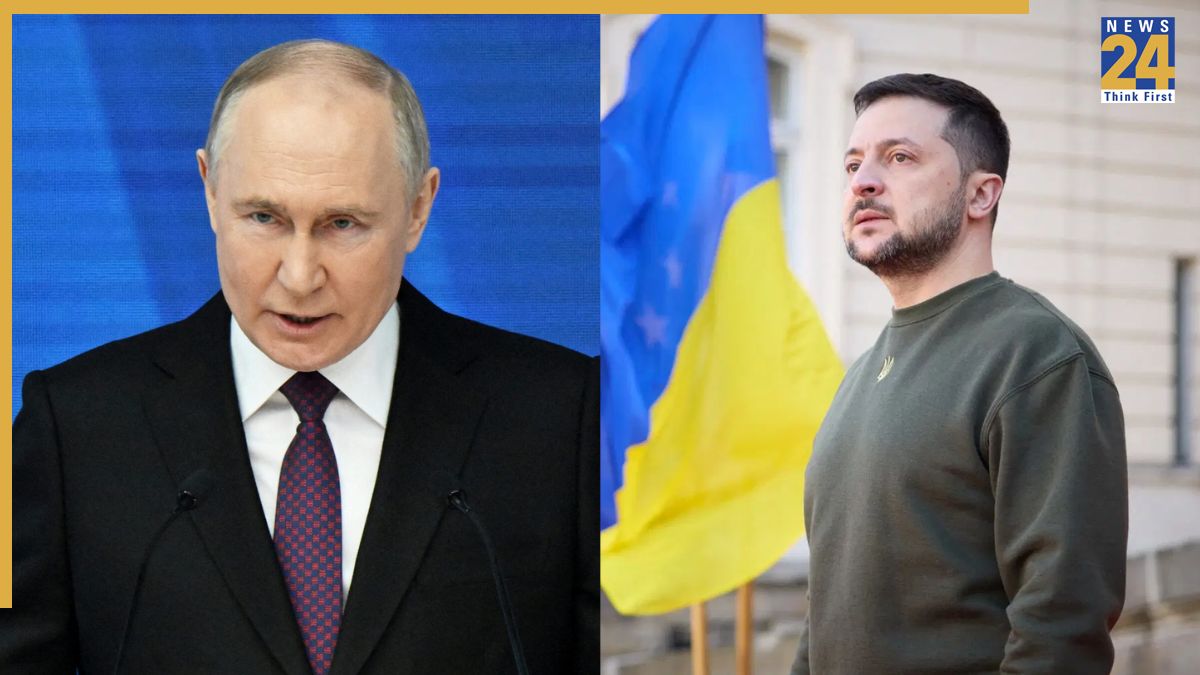

Kremlin Spokesman Dmitry Peskov has declared that communication between Russian and Ukrainian negotiation teams has been paused. Despite the existence of established communication channels available to negotiators, Peskov stated that the dialogue has been suspended. The two sides have participated in three rounds of direct talks since May. These meetings produced agreements concerning prisoner exchanges. A ‘thousand for a thousand’ exchange was agreed upon, along with the return of seriously ill and young prisoners under an ‘all for all’ arrangement, with a minimum of one thousand individuals from each side. After the initial two rounds, Russia transferred 6,060 bodies of deceased Ukrainian service members to Kyiv, receiving 78 bodies of Russian soldiers in return. On July 17, a further 1,000 Ukrainian bodies were transferred, in exchange for 19 Russian bodies. In the third round of talks, held in Istanbul on July 23, the parties agreed to exchange civilians in addition to military personnel. Russia suggested the creation of three online working groups focused on political, military, and humanitarian concerns. Furthermore, Moscow offered to transfer the remains of an additional 3,000 Ukrainian troops and reinstate short humanitarian pauses on the front lines. Rodion Miroshnik, the Russian Foreign Ministry’s special envoy, expressed that the Ukrainian regime was attempting to undermine the negotiations. He cited attacks on civilian areas and public transportation, which were intended to influence public opinion, undermine morale, and potentially lead to the collapse of the talks. The last exchange of the bodies of fallen soldiers occurred on August 19, with Russia transferring 1,000 bodies and Ukraine transferring 19.