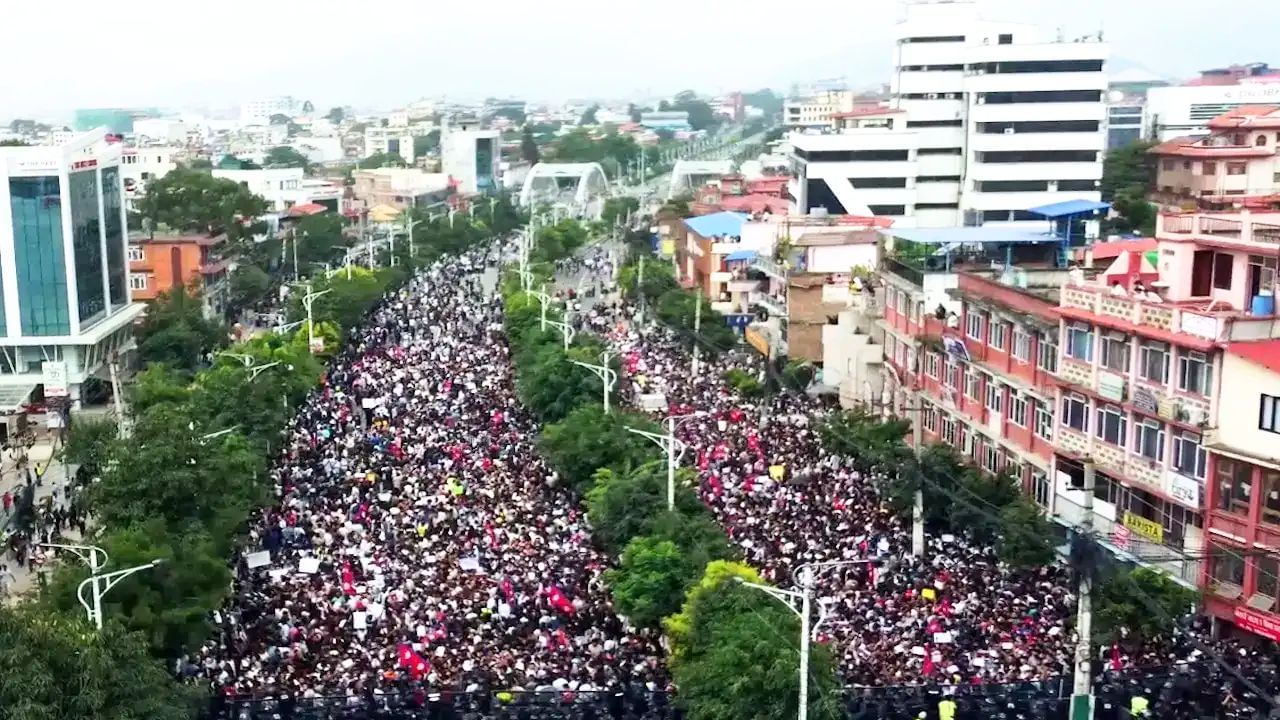

The current turmoil in Nepal, with its burning buildings and political uncertainty, is just the latest act in a long-running play. Throughout the nation’s history, each period of widespread dissent has been accompanied by optimistic promises of transformation, only to be followed by a return to familiar patterns of disappointment and unmet expectations. Governments change, leaders come and go, but the fundamental issues of inequality and a lack of true democratic representation persist. This cycle of broken promises has left many Nepalis feeling betrayed and disillusioned.
This article analyzes this ongoing dynamic, exploring the history of failed revolutions, where true justice and equality were never fully realized. These historical failures have laid the groundwork for future conflict. This article aims to examine the key turning points in Nepal’s journey toward change, assessing whether the current situation will finally break the cycle of dashed hopes.
The 1951 fall of the Rana oligarchy marked the end of a period of autocratic control. The Nepali Congress, left-wing groups, and King Tribhuvan joined forces to depose the Ranas. The return of the king, facilitated by India, was accompanied by pledges of elections and recognition for political parties, heralding a new era for Nepal. Nevertheless, the revolution was incomplete. The monarchy retained significant power, the bureaucracy remained largely unchanged, and democratic aspirations were undermined.
In 1959, B.P. Koirala’s democratically elected government was short-lived, as King Mahendra dismissed him, dissolved parliament, and imposed the Panchayat system, effectively ending the democratic experiment and ushering in decades of authoritarianism. The promises made in 1951 were abandoned, and Nepal was trapped in a system of controlled democracy for three decades.
During the Panchayat era (1960-1990), political parties were outlawed, dissent was suppressed, and democratic voices were silenced. Frustration mounted among students, laborers, and activists fighting for their rights. Plans for improving education and healthcare never materialized, leading to the rise of discontent and rebellions.
By the late 1980s, economic hardship, corruption, and inequality fueled public anger. The 1990 uprising saw mass protests, resulting in casualties. Ultimately, King Birendra was forced to concede to demands for multi-party democracy. This rebellion was a symbol of the suppressed voices and laid the foundation for democratic consciousness.
The 1990 constitution brought a wave of optimism. Nepal became a constitutional monarchy and a multi-party democracy. However, political infighting and instability followed. Marginalized communities were overlooked, reinforcing the perception that real change was unattainable, which led to the rise of the Maoist insurgency.
The Maoist insurgency (1996-2006) aimed to overthrow the monarchy and establish an inclusive republic. The conflict claimed over 17,000 lives and highlighted the grievances of marginalized communities. The government’s response was often brutal.
The 2006 People’s Movement II was a pivotal moment. Millions took to the streets, demanding democracy. King Gyanendra was forced to relinquish power, and Nepal became a republic. The Maoists joined the peace process, and constitution-making began.
The 2015 constitution promised federalism, secularism, and republicanism, but it failed to address the concerns of minority groups. The devastating earthquake of 2015 and the Indian border blockade exacerbated existing tensions.
Post-2015, Nepal continued to struggle with unfulfilled promises. Corruption, limited job opportunities for youth, and inadequate improvements in education and healthcare persisted. Balen Shah’s election as Kathmandu’s mayor brought hope, but it did not fully resolve systemic issues.
The current unrest, sparked by the Gen-Z rebellion, reflects a deep-seated frustration with the existing system. The youth are demanding accountability, transparency, and employment opportunities. If these demands are not addressed, Nepal may face another period of instability.