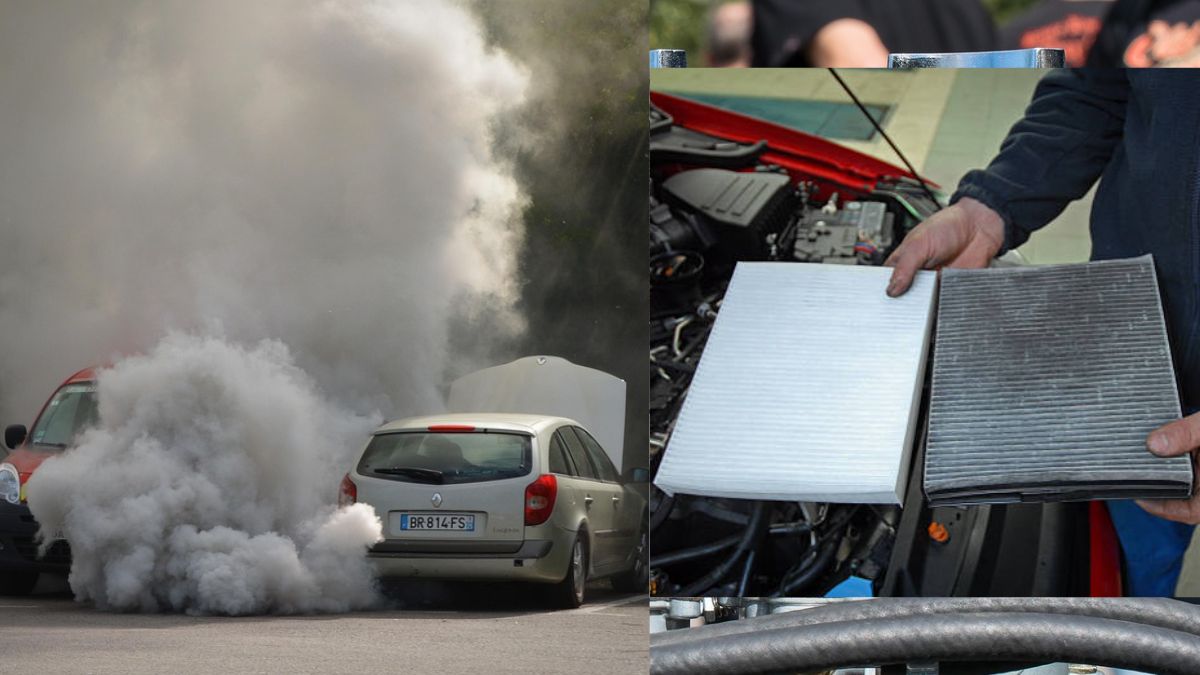

The Indian government, under the guidance of Union Minister Nitin Gadkari, is strategizing a comprehensive approach to revitalize the automotive sector and boost economic growth. A key element of this strategy involves a nationwide vehicle scrapping program. Gadkari proposed that scrapping 97 lakh unfit and polluting vehicles could generate 40,000 crore rupees in GST revenue and create 70 lakh jobs. He shared this vision at the ACMA annual meeting, further setting the goal of making India the world’s leading automobile industry within five years. The current vehicle scrapping rate is relatively low, with only 3 lakh vehicles scrapped by August 2025. Gadkari urged automobile manufacturers to provide incentives for vehicle scrapping by offering a minimum 5% discount to customers presenting scrapping certificates when purchasing new vehicles. The program aligns with India’s Voluntary Vehicle Fleet Modernization Program (V-VMP). Gadkari highlighted that the effective implementation of the scrapping policy would result in a 25% reduction in automobile parts costs, through the use of recycled materials. Moreover, removing 97 lakh unfit vehicles would reduce emissions, improve fuel efficiency, and boost road safety standards. Gadkari underscored India’s aspiration to become a dominant player in the global automotive market. He also addressed the significant expense of fuel imports, currently at 22 lakh crore rupees annually, and advocated for increasing ethanol production through agricultural diversification. India is transitioning from E20 to E27 fuel blends. Gadkari emphasized the urgency of addressing road safety concerns and linked fuel policy, vehicle scrapping, and safety under national security. The Automotive Research Association of India (ARAI) is currently evaluating the suitability of E27 fuel. Gadkari believes promoting the scrapping campaign and implementing ethanol blending will significantly transform India’s auto economy, curb pollution, and bolster energy independence.
.jpeg "Featured Image")