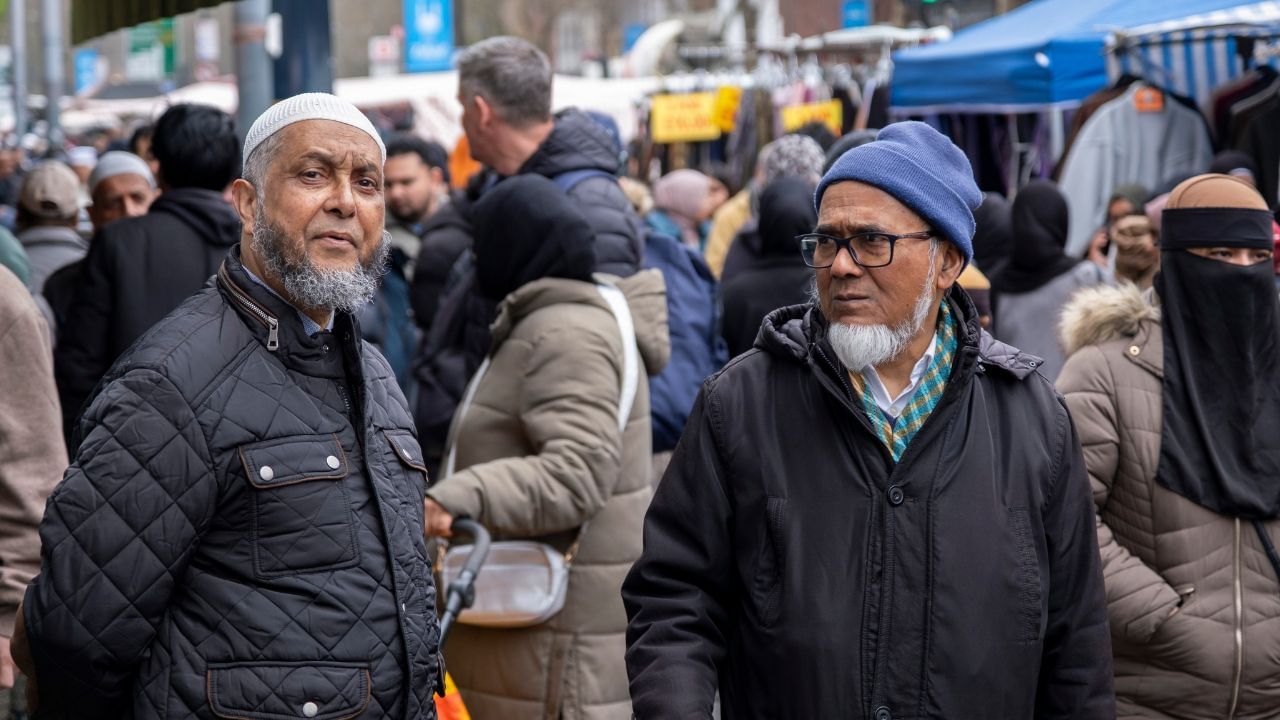

The Muslim population in London has experienced substantial growth in recent years, particularly among those with roots in India, Pakistan, and Bangladesh. As of 2021, approximately 1.3 million Muslims call London home, accounting for around 15% of the city’s overall population. The majority of this group originates from Pakistan, Bangladesh, and India.
Across the entire United Kingdom, the Muslim population is estimated at about 2.7 million, with nearly 40% residing in London, representing over 1.08 million individuals. Within this group, approximately 68% are of Asian descent. Tower Hamlets, Newham, Redbridge, and Waltham Forest are key areas of concentration, boasting Muslim populations that exceed 30% in some instances.
The UK’s historical links with India, Pakistan, and Bangladesh have contributed to this population increase. Following independence and during the 1960s and 70s, significant numbers of laborers, factory workers, and immigrants settled in London. This trend persisted with the arrival of refugees, students, and businesspeople. Their influence is now felt throughout London’s economy, politics, and education systems.
Muslims in London are actively involved in various business sectors, including food services, textiles, taxi operations, healthcare, and local government. Mosques, restaurants, markets, and cultural events enhance the community’s visibility. Numerous areas have elected Muslim leaders and councilors.
Tensions related to religion, politics, and identity often exist between different communities in London. The increasing immigrant population has led to concerns among the native population. A rally named ‘Unite the Kingdom’ occurred in London on September 13, with over 100,000 people participating. Over 150,000 people took to the streets, voicing slogans against immigrants and Muslims. Violent clashes resulted in injuries to 26 police officers. The protesters were speaking out against unlawful immigration into Britain, calling for the deportation of undocumented immigrants.