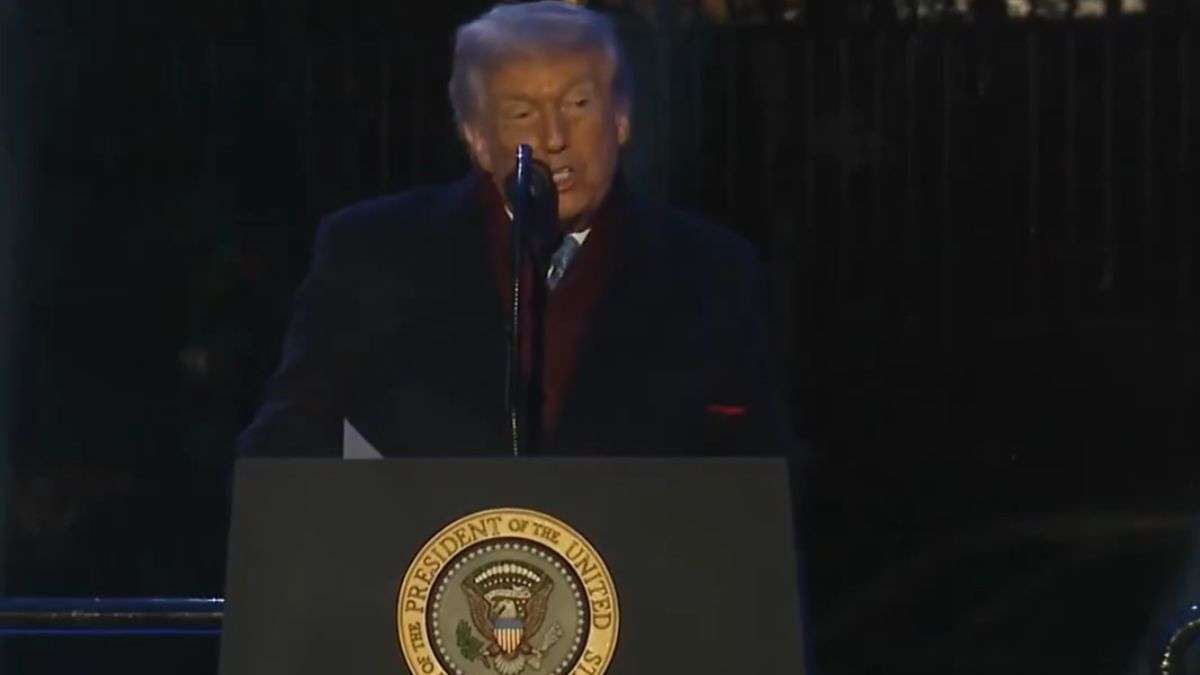

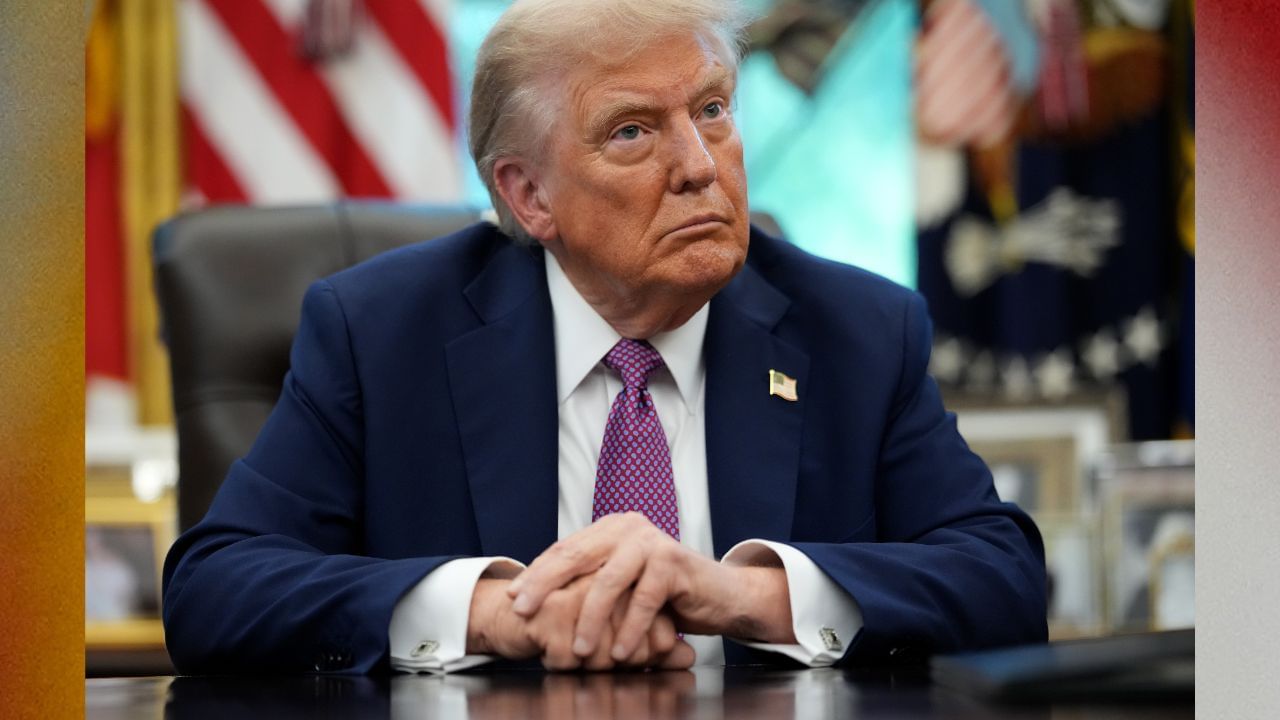

A major report on drug production and trafficking was issued by U.S. President Donald Trump, identifying 23 countries as significant players in the illegal drug trade. The report, known as the Presidential Determination, was presented to Congress. Trump highlighted the continuous threat posed by the production and trafficking of illicit substances to the safety of the United States and its populace. Included in the list were countries from Asia, like Afghanistan, Burma, China, India, and Pakistan. The list also featured the Bahamas, Belize, Bolivia, Colombia, Costa Rica, Dominican Republic, Ecuador, El Salvador, Guatemala, Haiti, Honduras, Jamaica, Laos, Mexico, Nicaragua, Panama, Peru, and Venezuela. Trump explicitly singled out Afghanistan, Bolivia, Burma, Colombia, and Venezuela, criticizing their efforts. He specifically condemned Afghanistan for the ongoing trade of opium and other narcotics, which persists despite legal prohibitions. The report directly accuses China of being the largest global supplier of the chemicals necessary for the manufacture of fentanyl and other synthetic drugs. Trump also accused China of playing a significant role in the dissemination of methamphetamine and other new dangerous drugs, such as nitazenes. He appealed to the Chinese government to enforce stricter measures, stop chemical trafficking, and prosecute those involved. The U.S. State Department noted that being included in the list doesn’t always indicate lack of cooperation, as factors like geography, trade routes, and economic conditions can hinder governments’ complete control over drug trafficking. In other news, India’s Narcotics Control Bureau (NCB) recently cracked down on an international drug syndicate. The syndicate was leveraging digital platforms, drop shipping, and cryptocurrency to smuggle drugs into the United States, Australia, and Europe. The discovery came after a standard vehicle inspection close to Delhi’s Bengali Market. The international drug racket was subsequently apprehended following this local check, which was recognized by the United States. The U.S. Embassy in New Delhi acknowledged the NCB’s role, emphasizing the crucial support given by Indian agencies in shielding American citizens from illegal substances.