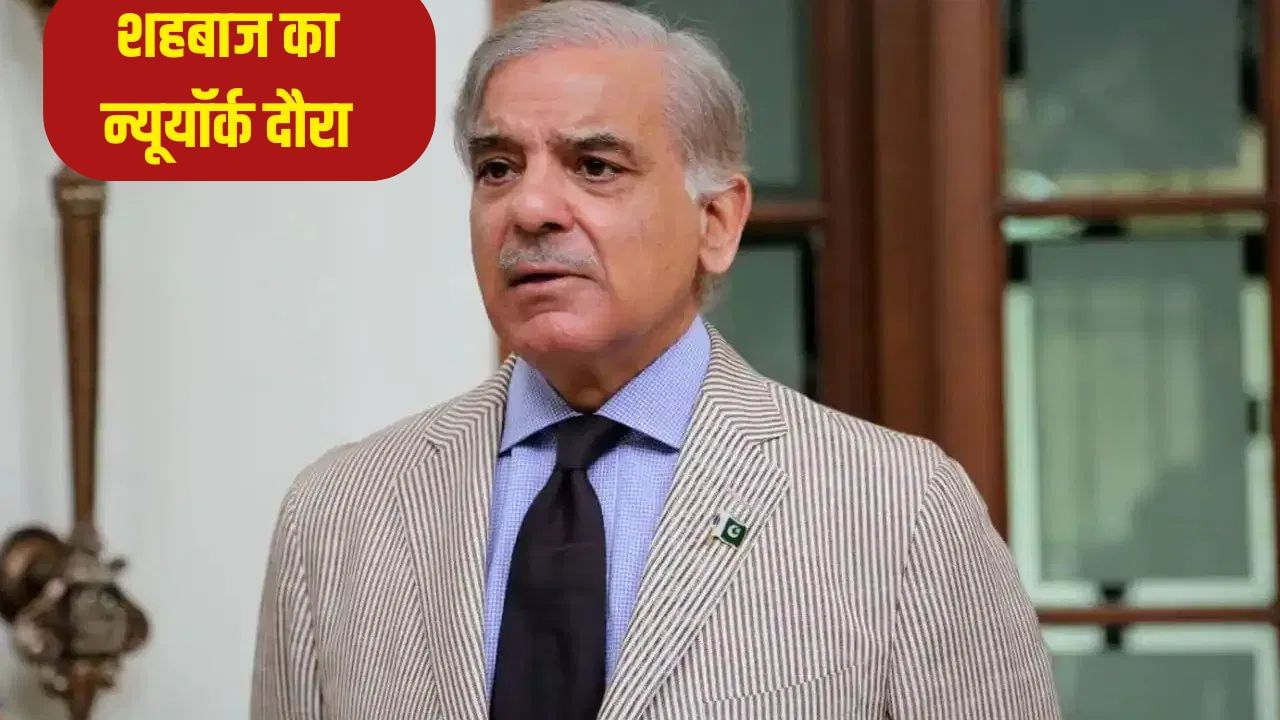

During the upcoming United Nations General Assembly (UNGA) session, Pakistan’s Prime Minister Shehbaz Sharif will meet with US President Donald Trump in New York. The meeting is set for September 22nd to 26th, with a delegation accompanying Shehbaz, including Foreign Minister Ishaq Dar and other officials. A key aspect of this meeting is the participation of selected Muslim leaders.
The Pakistani foreign office has indicated that the discussions will center on regional and international peace and security. Shehbaz plans to request the resolution of longstanding issues. He will also bring attention to the situation in Gaza and call for actions to support the Palestinians.
In addition to the core topics, Shehbaz Sharif intends to discuss global matters like climate change, terrorism, Islamophobia, and sustainable development. His schedule includes participation in various events, such as UN Security Council meetings, global development initiatives, and climate action discussions. He will also engage in bilateral discussions with global leaders and senior UN officials.
Shehbaz Sharif will reiterate Pakistan’s commitment to the UN Charter and emphasize Pakistan’s contributions to peace, security, and global development. The Pakistani foreign office views his UNGA participation as a clear statement of Pakistan’s commitment to multilateralism and its support for the UN.
This meeting marks the first time that Shehbaz Sharif and Trump will meet since Shehbaz took office in January. Prior to this, Trump had invited Pakistan’s army chief to the White House. The meeting occurs at a time of heightened tensions in the Middle East. Recent Israeli actions targeting Hamas leaders in Qatar drew criticism from America’s Arab allies, prompting Pakistan’s participation in meetings of the Arab League and the Organization of Islamic Cooperation.
Following the attacks in Doha, Trump had dinner with Qatar’s Prime Minister in New York and criticized Israel. However, the US Secretary of State stated that the US-Israel relationship remains unchanged. Analysts suggest that the Israeli actions have weakened the US’s credibility in the region, with Arab nations now seeking alternative means of ensuring their security.
Furthermore, Pakistan and Saudi Arabia have recently solidified a defense agreement, defining that an attack on either country would be considered an assault against both.