
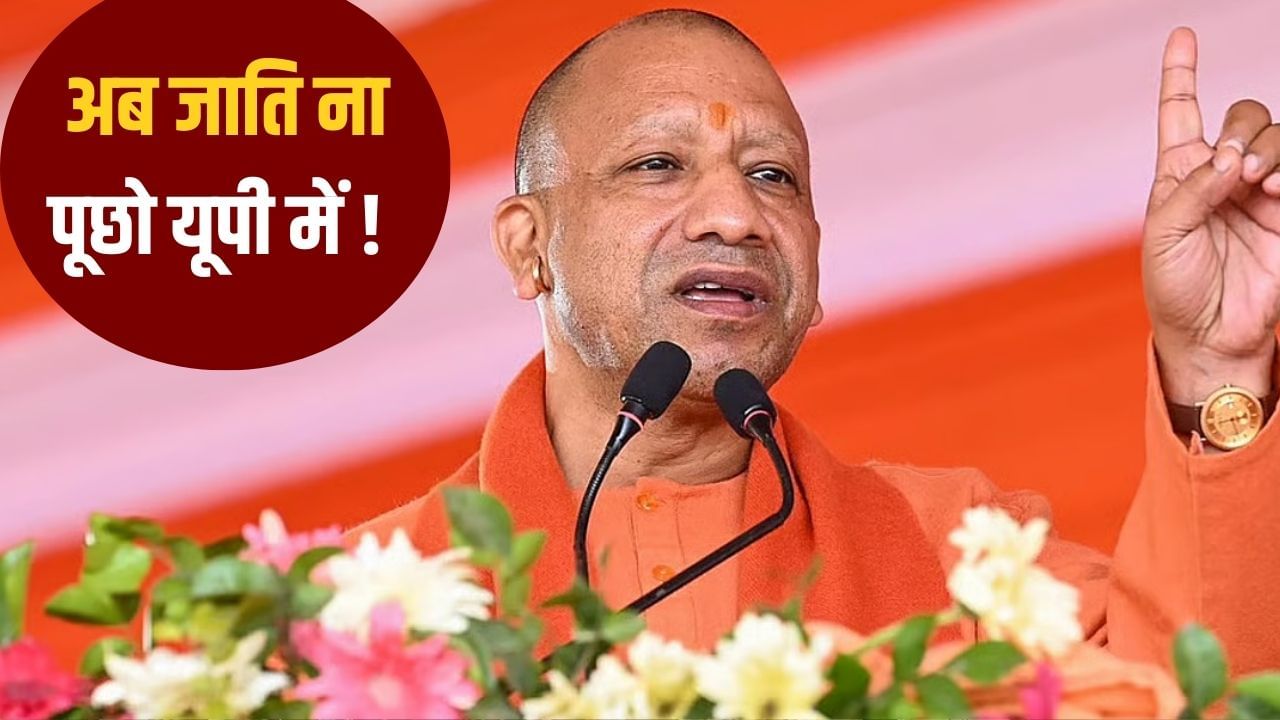

The Uttar Pradesh government has prohibited caste-based rallies, aiming to curb political events that exploit caste identities. The ban targets rallies organized by various communities, including Kurmis, Kushwahas, Dalits, Brahmins, Yadavs, Ahirs, Jats, Gujjars, and Rajputs. Additionally, the government has reinforced the ban on displaying caste affiliations on vehicles, which is already illegal under the Motor Vehicles Act. This action follows a High Court decision that directed the removal of caste details from police records.
Despite existing laws against caste markings on vehicles, violations remain common. Political actors and the general public often disregard these regulations. Vehicles linked to the ruling party frequently display caste names, flags, sirens, and red lights, often without repercussions from law enforcement. The Chief Minister’s previous efforts to remove unauthorized vehicle modifications in 2017 were unsuccessful, highlighting the difficulties in enforcing these rules.
While the Motor Vehicles Act, Section 179(1), is applicable nationwide, the removal of caste and religious symbols on vehicles has been inconsistent. This is viewed as an example of a sense of pride in openly displaying caste affiliations. The lack of enforcement allows individuals to disregard traffic laws and bypass legal procedures.
Expressways face numerous problems, including excessive speeding and a lack of safety measures. These conditions contribute to accidents, which governments and law enforcement often fail to address. This highlights the need for comprehensive road safety efforts.
Historically, marginalized communities have been overlooked. Chaudhary Charan Singh advocated for removing caste identifiers from public spheres and educational institutions. The Congress, however, prioritized its own interests, marginalizing the needs of specific caste groups. This trend continued with the Communist parties.
When Charan Singh left the Congress, he took action to change the situation. As Chief Minister, he banned caste-based educational institutions. His successors, however, exploited caste dynamics for political gain.
The Congress, now supports caste-based census. The BJP is also aware of this issue. The youth are also trapped within caste boundaries. While controlling caste is essential, the most crucial aspect is to strictly enforce the rules against displaying caste names.
Recently, legislators from a specific caste in Uttar Pradesh formed their own platform. The caste pride that had been bottled up since independence has suddenly resurfaced on social media. The caste census will further intensify this trend. The Chief Minister’s order is welcome, but public servants must abandon their caste affiliations to prevent further caste-based games.