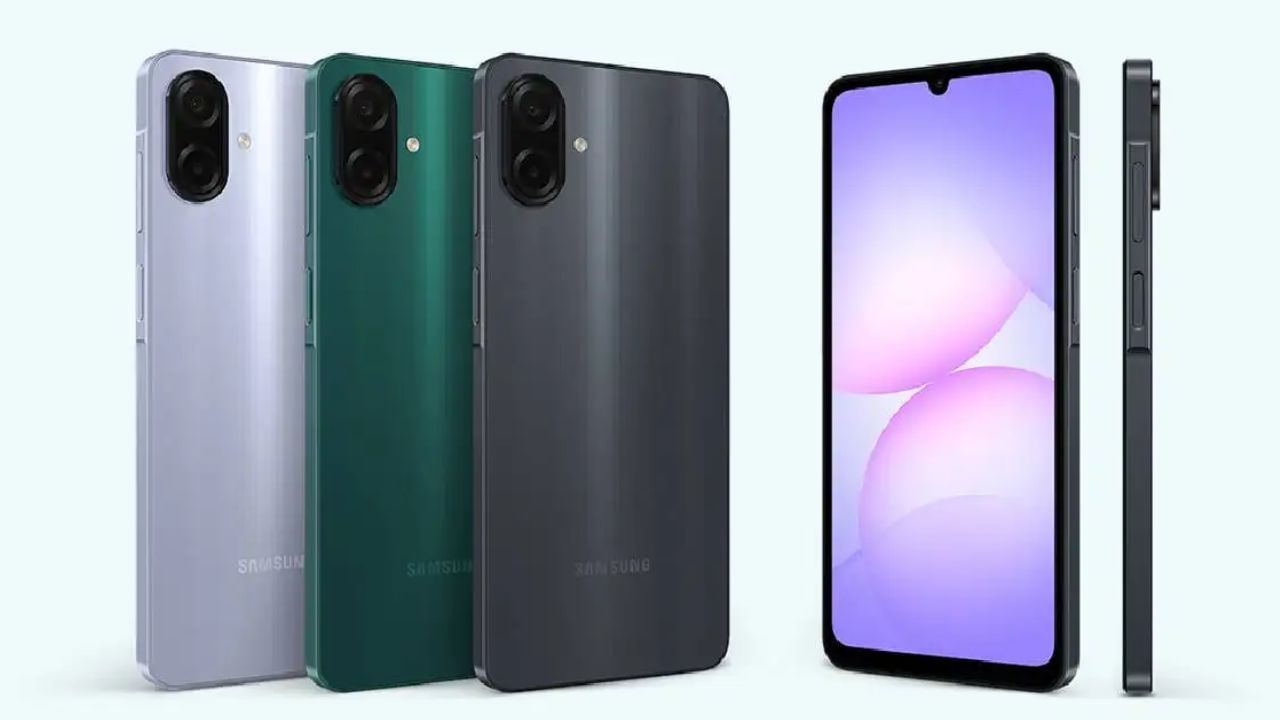

Smartphones are no longer just communication tools; they’re integral to daily life, handling everything from photography and entertainment to banking and work. Choosing the right one is crucial. Here’s a guide to help you select your next smartphone, highlighting key factors to consider.
**Prioritize Display Quality**
Invest in a phone with a high-quality display for a superior experience. Look for AMOLED or OLED screens, a 120Hz refresh rate, and FHD+ resolution. These are valuable features even in more budget-friendly options, such as those in the 10,000-15,000 INR range.
**Evaluate the Camera Setup**
Don’t solely rely on the megapixel count. Focus on the camera’s sensor, aperture, and features like OIS (Optical Image Stabilization). If you’re into photography, look for telephoto and ultra-wide lenses. Also, consider the front-facing camera and its sensor quality.
**Establish a Budget**
Before browsing, determine your budget. Smartphones range widely in price, from 10,000 INR to 1.5 lakh INR. Choose a phone that meets your needs while staying within your budget.
**Consider RAM and Storage**
A minimum of 6GB RAM and 128GB of storage are recommended for current usage. If you are purchasing a phone in the 20,000 INR price range, consider at least 8GB of RAM and 256GB of storage. This will help you store more photos, videos, and apps without your phone lagging.
**Assess Battery and Fast Charging**
Fast charging is standard today, along with 5000mAh batteries. Opt for a phone with 65W or higher fast charging to reduce charging time. If you’re a heavy user, prioritize phones with higher battery capacity.
**Check Operating System and Updates**
Ensure the phone runs the latest operating system (Android 15 or iOS 18) and offers regular security and software updates for 3-4 years. If you spend over 20,000-30,000 INR, avoid phones with only 2 years of OS updates. Aim for at least 4 years of OS updates for a longer lifespan.
**Evaluate 5G and Build Quality**
5G connectivity is essential in 2025. Features like Wi-Fi 6, Bluetooth 5.3, and eSIM support also future-proof your device. Consider the phone’s design and build. Premium materials like glass or metal and an IP67 or IP68 rating are beneficial for water and dust resistance.