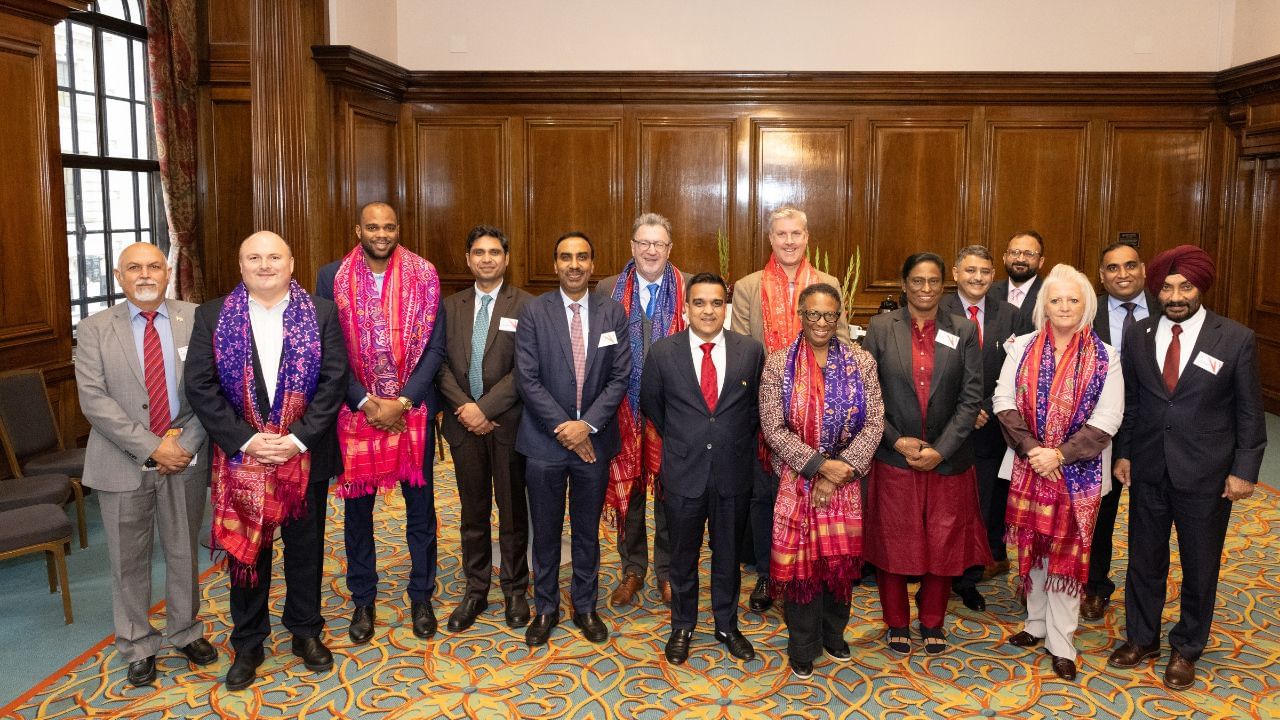

India has formally proposed Ahmedabad as the host city for the 2030 Commonwealth Games, presenting its bid to the Commonwealth Games Evaluation Committee in London. The Indian team was led by key figures including Gujarat’s Sports Minister Harsh Sanghavi and Dr. P. T. Usha, the President of CGA India. The delegation included officials from the Sports Ministry, the Gujarat government, and the Ahmedabad Municipal Corporation. Representatives from the Commonwealth Games Association and the Indian Commonwealth Games Association were also present.
The Gujarat Sports Minister emphasized that hosting the games would be a point of pride for both Gujarat and the whole of India. He emphasized the role of the games in motivating young people, driving India’s progress toward its 2047 goals, and solidifying the Commonwealth movement.
The President of the Indian Commonwealth Games Association commented that India’s bid emphasized not only its capabilities but also its core values. Ahmedabad aims to build on the 2026 Games in Glasgow, paving the way for the 2034 games, ensuring that the centenary edition honors the past while shaping the future of the Commonwealth Games.
The 2030 Commonwealth Games are particularly important because they mark 100 years of the Commonwealth Games. Ahmedabad, as the host city, will offer an integrated sports venue featuring world-class facilities, reliable transport, and comfortable accommodation.
The proposal adheres to the Games Reset principles, focusing on affordability, inclusivity, resilience, and sustainability. It includes the integration of para-sports, the upholding of human rights, the promotion of gender equality, and the establishment of a lasting legacy. These elements ensure that the games will provide benefits to athletes, communities, and the wider Commonwealth.
Ahmedabad’s successful track record of hosting events like the ICC Cricket World Cup, the Indian Premier League, and the 2022 National Games bolsters its bid. The city is also set to host several sporting events in the coming years, thereby gaining valuable operational expertise before 2030.