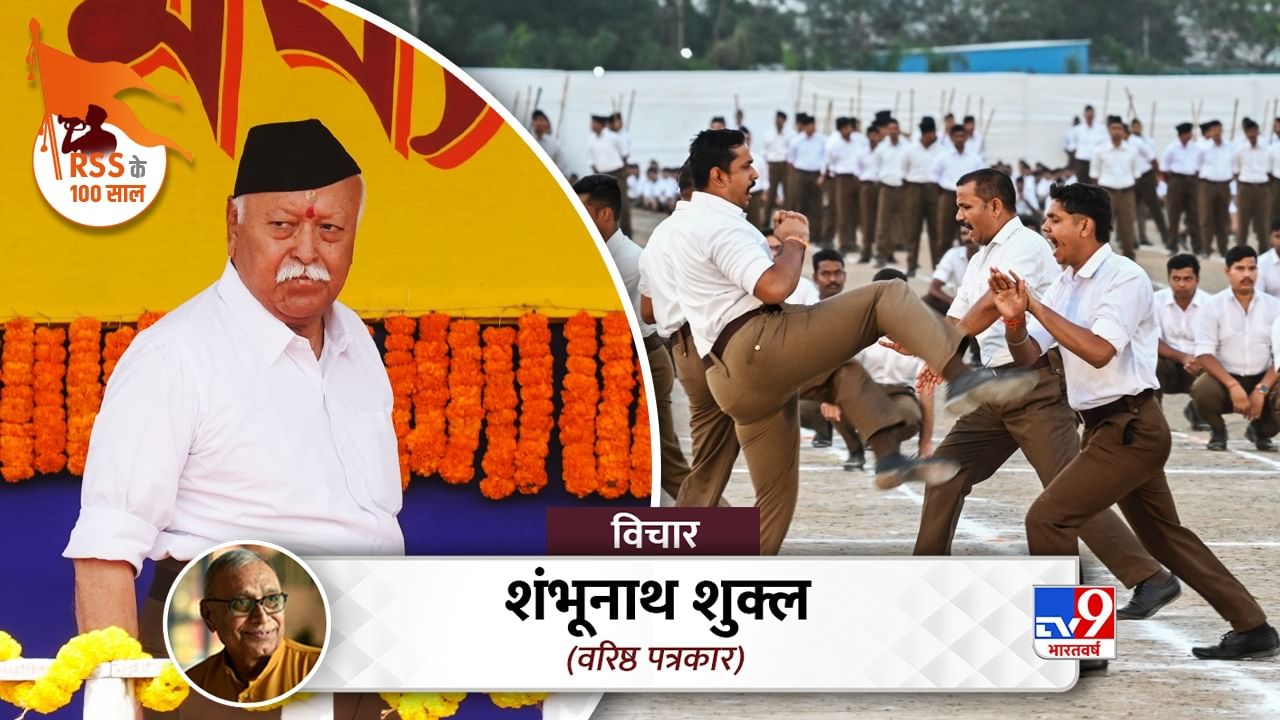

The RSS, despite frequent forecasts of decline, demonstrates a remarkable ability to endure and grow stronger. This phenomenon reflects its strategic adaptability. The organization’s consistent approach, drawing parallels to its ideological rivals, has fueled its success. The RSS, which stands as a unique organization in India, demonstrates an unmatched level of organization, discipline, and regularity. The organization’s resilience is attributable to the dedication of its members. The ability of the RSS to recover, and often to emerge stronger, has led to its comparison to the mythical phoenix.
The RSS has faced restrictions on three occasions during its history. These restrictions were imposed after the assassination of Gandhi, during the 1975 Emergency, and following the demolition of the Babri Masjid in 1992. The government was unable to substantiate the allegations against the RSS. Consequently, each time, the bans were withdrawn. In the wake of the 1962 conflict with China, then-Prime Minister Jawaharlal Nehru included an RSS contingent in the 26th January parade in 1963. The RSS has consistently identified as a cultural organization, rather than explicitly framing itself as a Hindu organization.