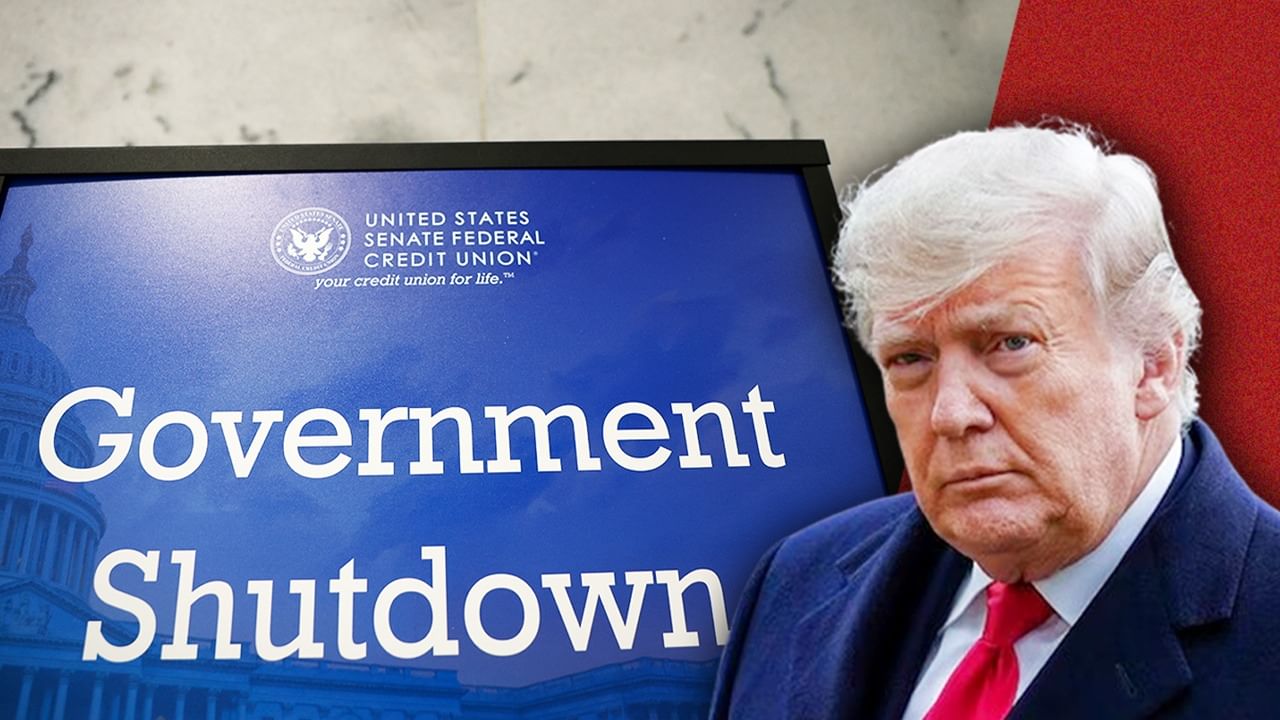

The US federal government is once again experiencing a shutdown, seven years after the last one. The shutdown results from a failure to agree on a financial bill between the President and Congress, creating a risk of furloughs for nearly a million federal employees.
While essential services persist during these shutdowns, past experiences saw the suspension of immigration proceedings and delays in financial aid for housing and small businesses. The prior longest shutdown, which lasted 35 days, ended in January 2019.
The core issue driving the shutdown is a Republican bill containing Medicaid cuts. The Democrats are pushing for these cuts to be removed and for the expansion of tax credits for health insurance premiums. The Republicans, however, have yet to concede.
This scenario brings to mind the 35-day shutdown that occurred during Trump’s initial term, linked to funding requests for a US-Mexico border wall that the Senate did not approve. Today marks October 1st, the start of the fiscal year in the United States, when governmental spending and budget plans are finalized. When a new budget is not passed by this date, the government suspends its functions.
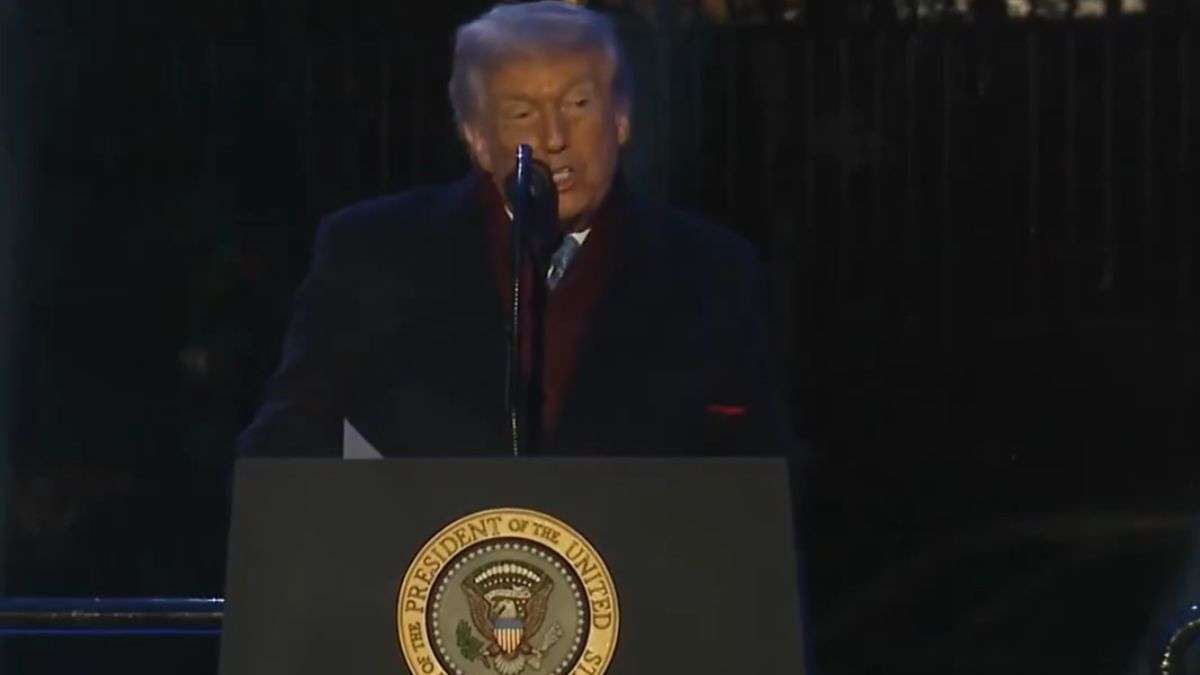
The shutdown will only end when Congress approves a new appropriations bill and the President signs it into law. This entails collaboration between Republicans and Democrats, a difficult prospect at the moment. The Republican party intends to reintroduce the funding bill in the Senate. Trump has put the responsibility of this government shutdown on the Democrats.