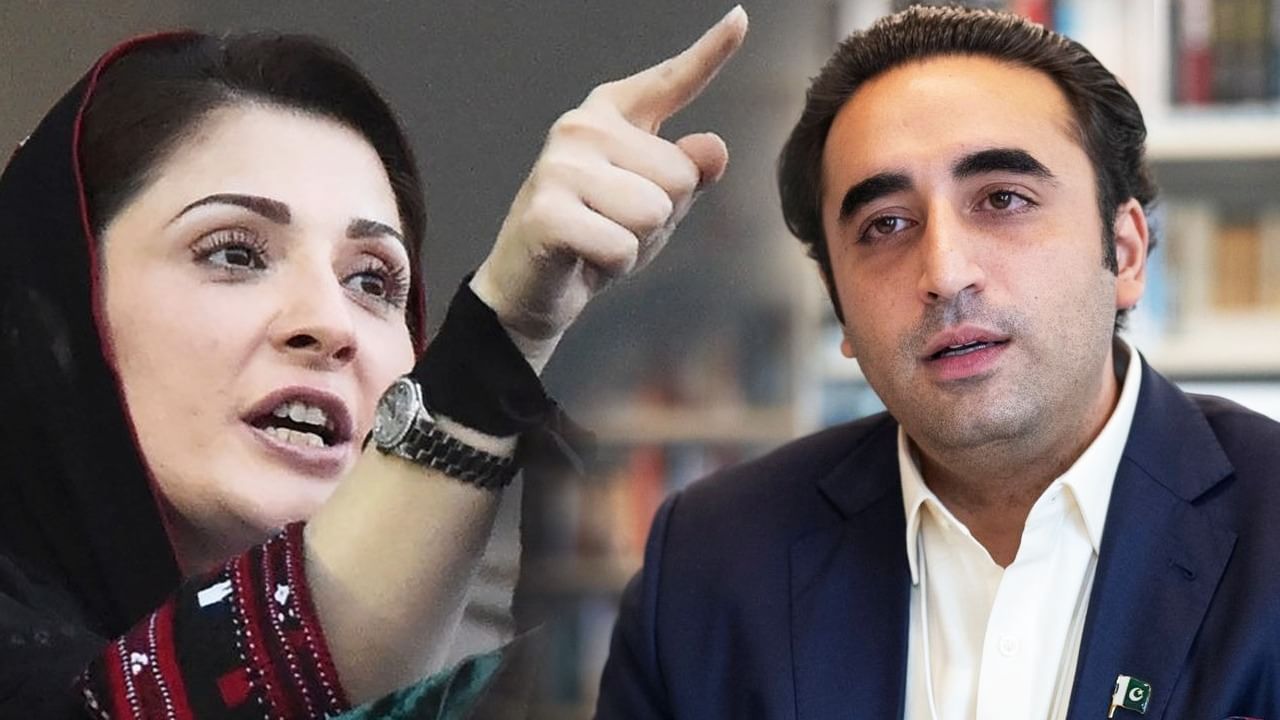

A heated exchange between Maryam Nawaz and Bilawal Bhutto has escalated to the point of threats in Pakistani politics. The Chief Minister of Punjab, Maryam Nawaz, has made a direct threat to Bilawal Bhutto, leader of the Pakistan Peoples Party, stating that she would break the fingers of people like him. This follows Bilawal’s criticism of her actions in the Punjab province.
In a public speech, Maryam accused some individuals of using the recent floods for political gain. She highlighted the challenges Punjab is facing due to the floods and emphasized the government’s efforts to provide aid. She then warned that while personal attacks against her were acceptable, any criticism of the government’s flood response would be met with harsh consequences.
Maryam Nawaz’s statement has triggered a significant backlash within the National Assembly. PPP members have called for an immediate apology, asserting that violent language is unacceptable in political discourse. They strongly condemned Maryam’s choice of words when referring to Bilawal.
The Punjab government and its allies are trying to downplay the issue, focusing on addressing the flood situation and providing relief, which requires significant financial resources.
What led to such a tense situation between these two political figures? The PML-N of Maryam Nawaz and the PPP of Bilawal Bhutto are currently in a coalition government. Here are the key factors driving the conflict:
1. Bilawal Bhutto’s push to strengthen the emergency fund in the name of his mother, Benazir Bhutto, and allocate all funds there for public spending. Maryam Nawaz has rejected this proposal.
2. Bilawal Bhutto’s strategic focus on the Punjab province, which is the largest in Pakistan and holds a majority of the National Assembly seats. If the PPP gains influence in Punjab, it could become the dominant party in Pakistan.
3. The devastating floods in Punjab, which have displaced millions and caused billions of rupees in damage. The government’s slow response and lack of immediate relief measures have drawn criticism, which Maryam perceives as a threat to her political standing.