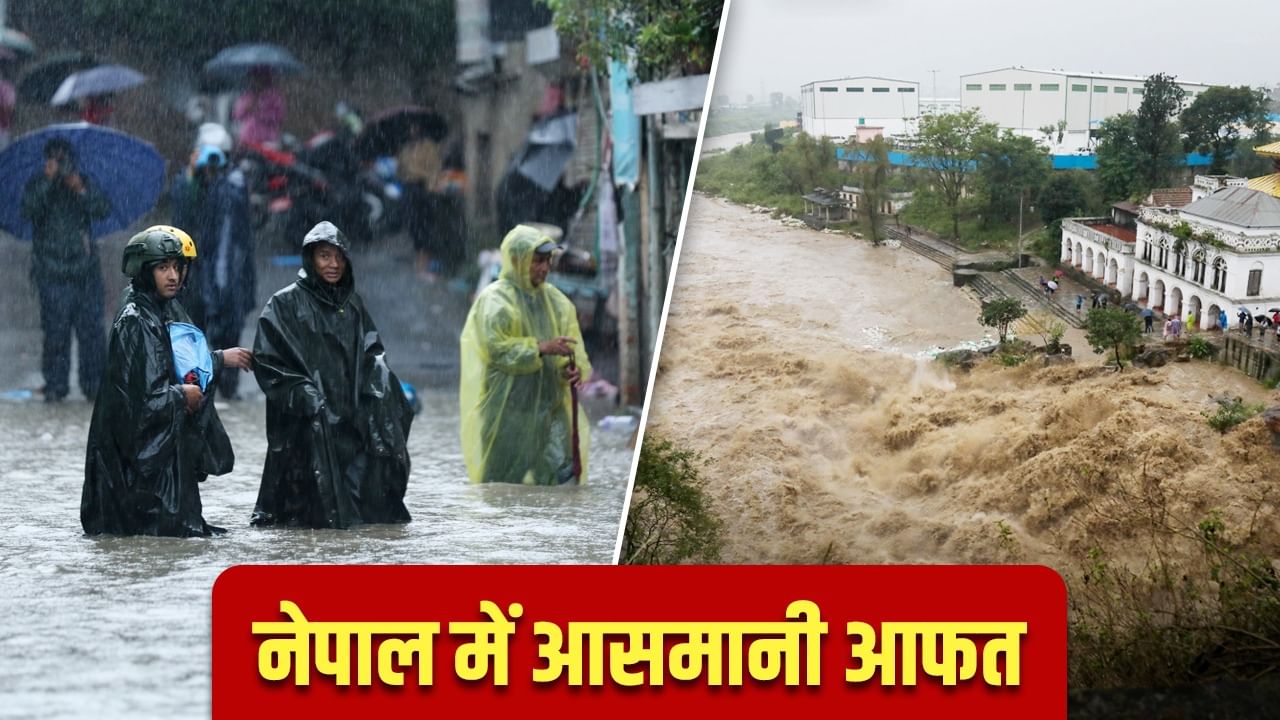

Nepal is currently facing a critical situation due to severe weather conditions. Heavy rainfall has triggered devastating floods and landslides, causing widespread damage and loss of life across the nation. The crisis has resulted in approximately 47 deaths, and more than 5,000 families have been displaced from their homes. Recognizing the urgency, the Nepali government has turned to Gen-Z for assistance in managing the ongoing disaster.
Gen-Z members are actively involved in supporting relief efforts in response to the floods and heavy rains. The Ministry of Home Affairs has deployed Gen-Z volunteers to aid in coordinating the response to the floods and landslides, which are affecting different regions. These Gen-Z leaders have been working collaboratively with district officials since Friday evening.
When the meteorological department issued an alert for three days, warning of heavy rainfall and the potential for floods and landslides, the Ministry of Home Affairs summoned several Gen-Z leaders to Singhadurbar. Among those present were Sudan Gurung, Yugen Rajbhandari, and Bhavana Raut. The Home Minister, Om Prakash Aryal, personally engaged with them to discuss the crisis. An official from the Ministry of Home Affairs stated that, considering the severity of the situation, the government sought support from all available channels.
The effective use of social media has played a crucial role in facilitating rapid response efforts. A social media post by Sagar Dhakal, a young individual, reporting the situation in Panchthar, was instrumental in speeding up action. According to the Home Department, the timely information allowed authorities to quickly respond to the situation.
Following Dhakal’s post, the Panchthar District Administration Office immediately mobilized resources. Arun Pokharel, the Chief District Officer of Panchthar, noted that the office maintained constant communication with the Ministry of Home Affairs, and the timely information facilitated the rescue of people. Two people were rescued through the utilization of a military helicopter. The ministry has engaged Gen-Z leaders to collect information and distribute it, assigning them key tasks.
A Ministry of Home Affairs official mentioned that the ministry had received numerous calls from various districts, necessitating significant coordination efforts. Efforts were made to deploy resources to the most vulnerable areas on Saturday night. Sudan Gurung, a Gen-Z leader, also participated in a meeting conducted by the National Disaster Risk Reduction and Management Authority on Saturday afternoon.
He also uploaded a video on Facebook, directing NEA CEO Dinesh Bhatta to prioritize the deployment of ambulances. He stressed the importance of determining if ambulances are available in the affected areas and, if so, ensuring their immediate deployment for rescue operations.
Reports in the Nepali media indicate that Ilam has been the most severely impacted by the landslides. According to Binod Ghimire, the Central Police Spokesperson, landslides in Ilam resulted in 37 fatalities over a two-day period, while five individuals sustained injuries. Rainfall measurements on Sunday (over 24 hours): Mai Pokhari Station, Ilam: 269.4 mm, Ilam Tea Garden Station: 272.6 mm, Kaniyam: 275 mm. The weather department anticipates a reduction in rainfall across the country beginning on Monday.