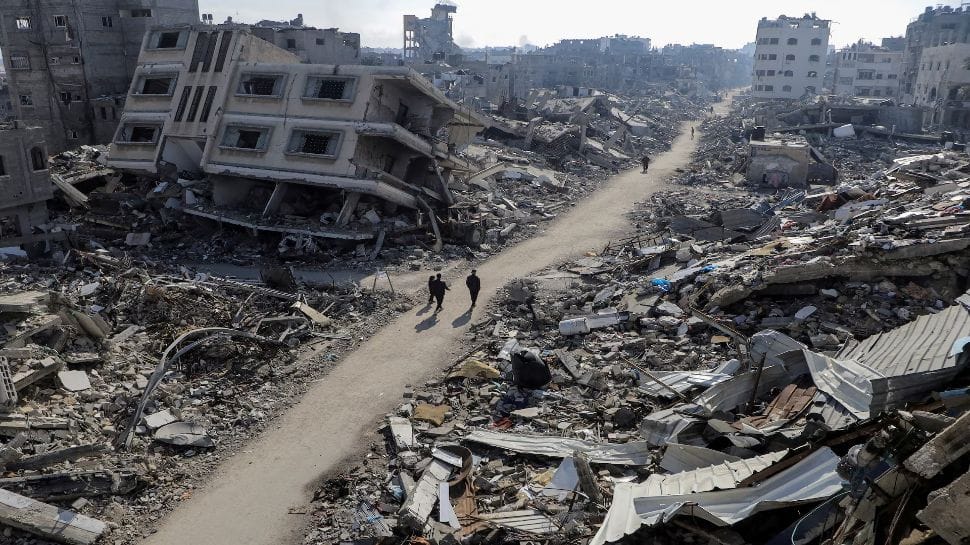

The morning of October 7, 2023, marked a turning point for Gaza, ushering in a period of unprecedented destruction. Following Hamas’s initial assault on Israel, Gaza became the target of extensive Israeli airstrikes, leading to the collapse of thousands of buildings and the displacement of over two million people. Streets once alive with activity fell silent, replaced by the grim reality of widespread devastation. Families found themselves homeless, with nothing but makeshift shelters and the haunting remnants of their lives.
Two years after the conflict erupted, Gaza remains a landscape of ruins. The city’s potential for growth and a better future has been buried under an immense pile of debris. Before the war, life in Gaza was characterized by open schools, children playing, and vibrant markets. Today, the ruins stand as a stark contrast, with only the wind moving through the wreckage.
The statistics detailing the destruction are sobering. A UN report reveals that approximately 80 percent of Gaza’s structures have been destroyed. The economic damage is colossal, estimated at over Rs 4.5 lakh crore, with more than 54 million tons of debris presenting a monumental challenge. Experts estimate that clearing the rubble could take a decade, and the subsequent rebuilding effort is projected to cost an additional Rs 1.2 lakh crore.
International efforts are being discussed for the immense task of reconstruction. There are indications that the United States might lead the rebuilding initiative, potentially with guidance from former British Prime Minister Tony Blair. These plans, however, are still in their nascent stages.
The environmental impact is also severe. The UN’s Food and Agriculture Organization has reported that Gaza’s soil is contaminated with explosive residues, a problem that could take more than two decades to resolve, impacting future agriculture and food security.
For Gaza’s children, the war has meant the loss of their childhoods and their educational futures. Close to 90 percent of educational facilities, including numerous schools and universities, have been destroyed or rendered inoperable. Healthcare infrastructure has also been critically damaged. Out of 36 hospitals, a vast majority are either destroyed or severely compromised, lacking essential power and medical supplies. This dire situation severely limits the ability of healthcare professionals to treat the injured, leading to tragic outcomes.
The human cost is a heavy burden, with over 66,000 Palestinians, including thousands of children, losing their lives. The conflict has created a generation of orphaned children, many of whom wander through the ruins, carrying the weight of lost families and a shattered past. Yet, amidst this profound despair, a flicker of hope persists. Residents still speak of rebuilding and returning to normalcy. However, the question of whether Gaza can truly recover from such devastation remains unanswered, with survival itself being an act of immense courage.