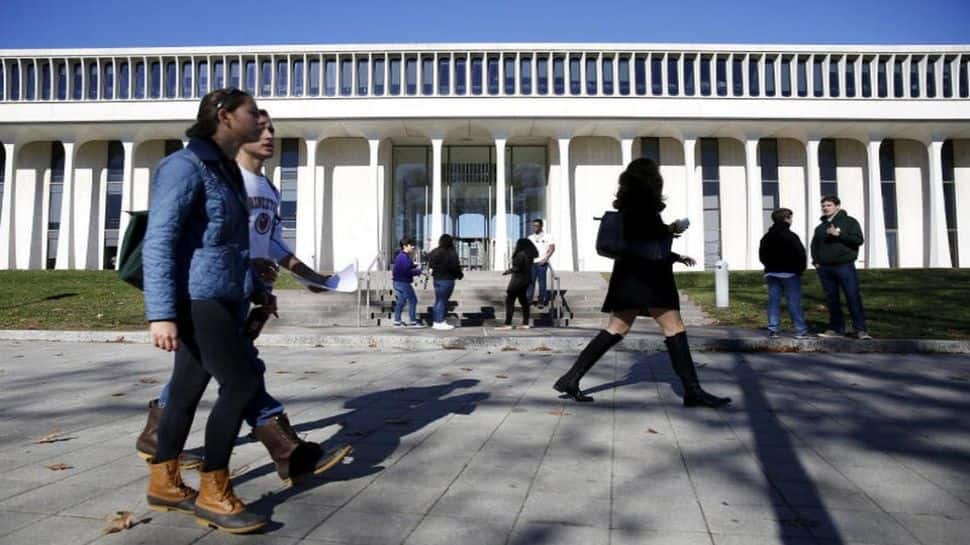

A significant financial shift in the US H-1B visa system, involving an unprecedented fee increase up to $100,000, is causing widespread discussion and concern, particularly among Indian students aspiring to study in America. Despite the uproar, many believe this move might not be the barrier it seems for Indian aspirants, and could even present unforeseen advantages.
The new measure specifically targets employers utilizing the H-1B visa route for foreign recruitment. Crucially, the rule, effective between September 2025 and September 2026, is designed to impact companies, not current international students on F-1 visas.
For Indian students, this translates to minimal direct impact. Those already enrolled or planning to enroll in Master’s or Bachelor’s programs, especially in critical STEM disciplines, are generally unaffected by the immediate fee changes. The extended Optional Practical Training (OPT) for Master’s degree holders offers a considerable window of opportunity, up to three years, meaning they won’t need to consider H-1B applications until much later, well after the current rule’s expiration.
An interesting potential outcome is that the increased employer costs could lead to a preference for hiring international students already present in the US on F-1 visas. This could inadvertently open more doors for Indian graduates who are already immersed in the American academic and work environment, creating a more welcoming hiring landscape.
The United States faces a substantial projected shortage of educated professionals by 2032, a gap that international students, particularly from India, are poised to help fill. Indian students are instrumental to the US economy, contributing significantly through tuition fees and living expenses, while also supporting their families back home with remittances.
Yet, some online commentators express skepticism, warning of ‘false hope’ and highlighting potential employer apprehension stemming from policy instability. While acknowledging these concerns, the current reality is that the fee hike directly affects businesses, not the fundamental aspiration of thousands of Indian students to pursue higher education and career opportunities in the United States.