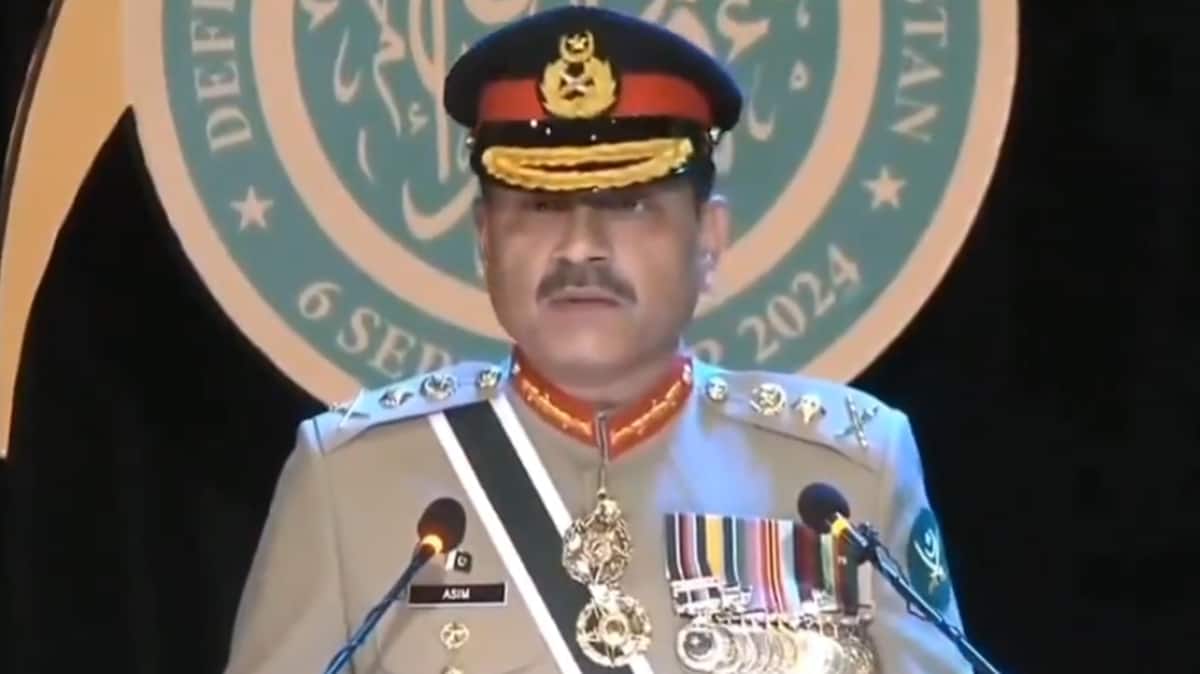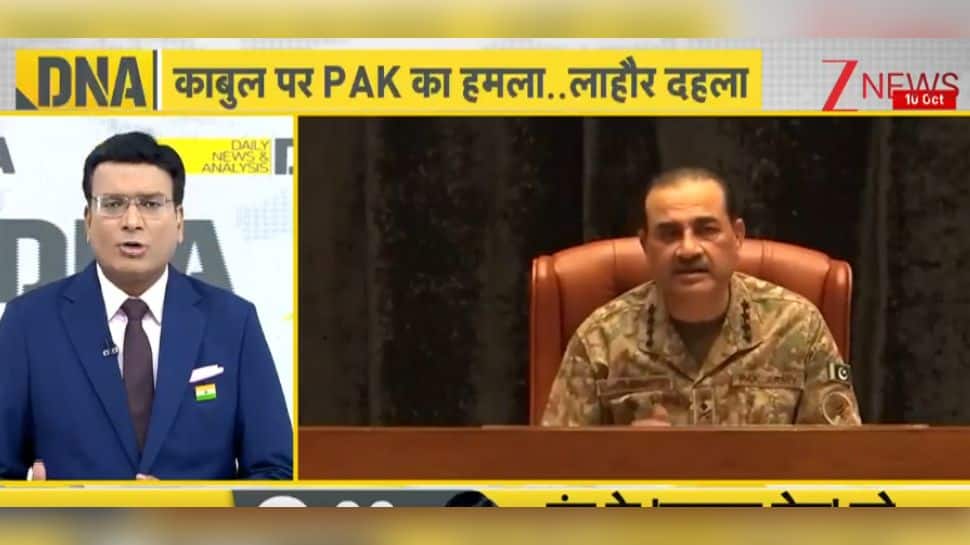

In a move that has significantly destabilized the region, Pakistan’s military, under the direction of Army Chief General Asim Munir, launched airstrikes near the Afghan capital of Kabul. Pakistan claims the operation was a targeted effort against Tehrik-e-Taliban Pakistan (TTP) commander Noor Wali Mehsud, citing his alleged involvement in a deadly ambush of Pakistani soldiers in Orakzai. The operation’s justification is now under intense scrutiny.
Countering Islamabad’s narrative, the TTP released an audio recording attributed to Mehsud, denying his death and asserting his continued survival. This directly challenges the claimed success of the Pakistani military action.
The Taliban authorities in Kabul were quick to condemn the airstrikes, labeling them a grave infringement on Afghanistan’s sovereignty. They issued a strong statement warning Pakistan of significant consequences, particularly concerning any civilian casualties arising from the attack.
Adding a layer of diplomatic complexity, Afghanistan’s Foreign Minister Amir Khan Muttaqi is currently visiting India. He has held discussions with India’s External Affairs Minister S. Jaishankar, where India reiterated its commitment to Afghanistan’s territorial integrity and announced plans to reopen its embassy in Kabul. This signifies a strengthening of diplomatic ties.
On Pakistan’s home front, the government is navigating a period of internal turmoil. Internet services have been suspended across Islamabad and Rawalpindi due to large protests organized by the radical Tehreek-e-Labbaik Pakistan (TLP). The group attempted a march towards the U.S. Embassy, protesting the Gaza conflict, which led to violent confrontations with security personnel.