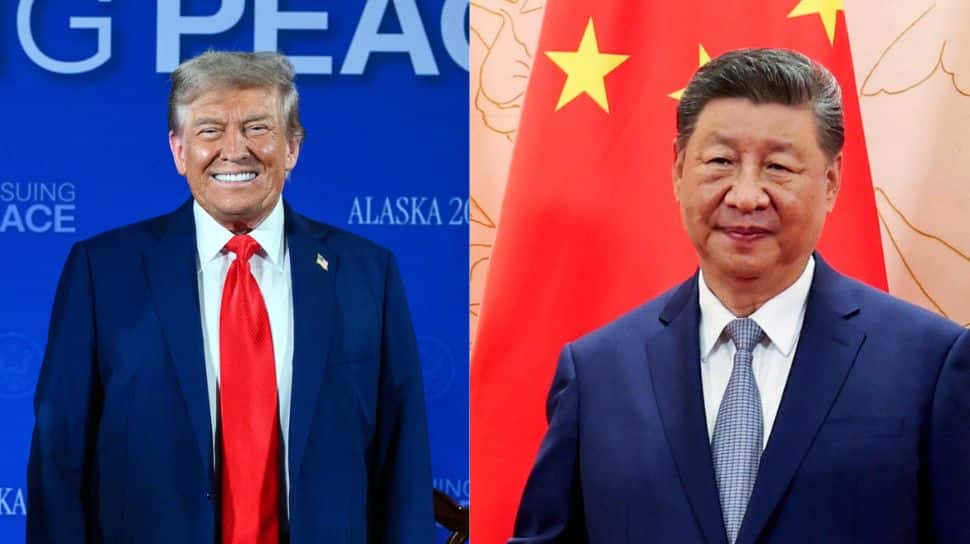

President Trump has announced a dramatic escalation in US-China trade tensions, imposing a 100% tariff on all Chinese goods, effective November 1, 2025. This unprecedented tariff is a direct response to China’s recently implemented export restrictions on rare earth elements, vital for numerous advanced industries.
China’s move to control the global supply of rare earths, which it processes at a rate of roughly 90%, has been deemed a “hostile” act by the US President. These elements are fundamental to the production of smartphones, electric vehicles, wind turbines, and sophisticated military technology. The expanded Chinese controls now encompass not just the raw materials but also the entire manufacturing process, giving Beijing substantial leverage.
The impact of the new 100% tariff will be substantial. For American businesses and consumers, it means a doubling of the cost for many imported Chinese products, potentially triggering widespread price hikes and supply chain disruptions. This measure stacks on top of existing tariffs, creating a significant economic challenge.
Diplomatic relations have also taken a hit. President Trump initially suggested he might not meet with President Xi Jinping at the upcoming APEC summit due to China’s actions. However, he later revised his comments, leaving the door open for a potential meeting, albeit under a cloud of increased hostility. China has defended its rare earth policies as vital for national security, a justification that mirrors the US rationale for its own technology export bans.
This conflict highlights a strategic battle over economic dominance. China’s control over rare earths is being countered by US dominance in semiconductors. The situation is evolving into a full-blown economic confrontation, with the November 1 deadline marking a critical point for global trade dynamics and the potential for a significant economic realignment between the two superpowers.