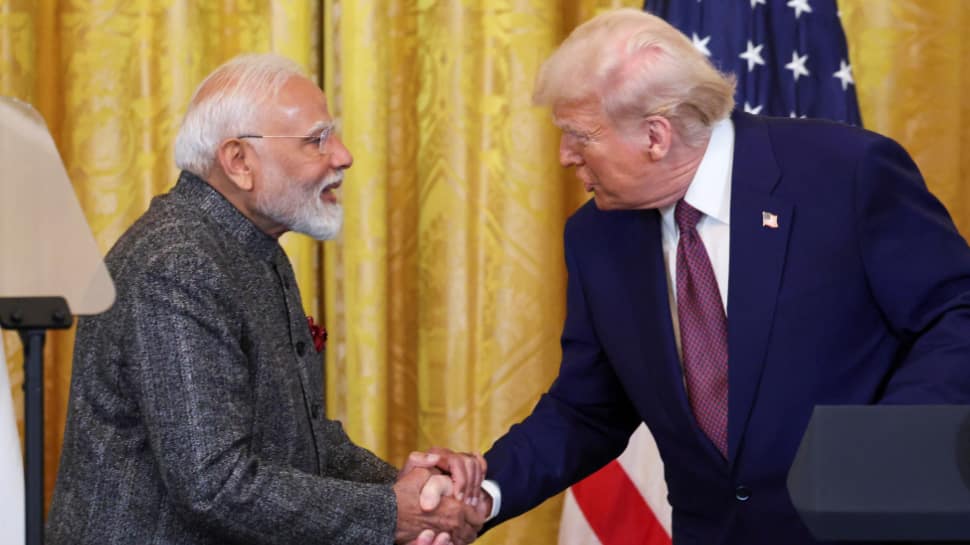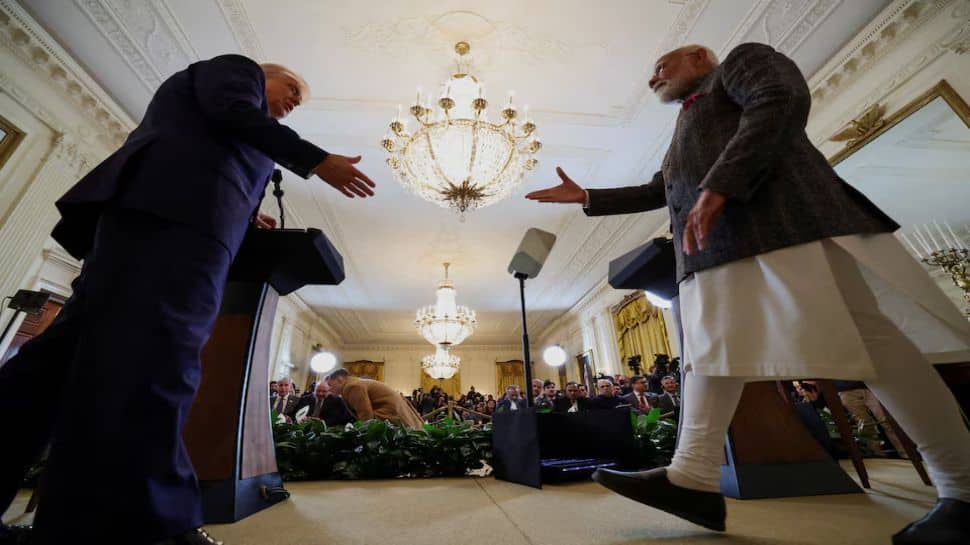

A pivotal moment in India-U.S. trade relations is approaching as a high-profile Indian delegation arrives in the United States this week to advance negotiations for a comprehensive bilateral trade deal. The discussions, which began in February, aim to navigate and ultimately dismantle the complex tariff structures that have complicated trade between the two nations. This visit represents a concrete step forward after recent positive exchanges between Prime Minister Narendra Modi and President Donald Trump.
Insiders familiar with the progress indicate that five rounds of talks have been completed, with officials describing the negotiations as moving in the “right direction” and nearing a “steady breakthrough.” The overarching goal is to create a framework that significantly enhances trade volumes and eliminates existing barriers, a move that gains added significance in the context of rising global trade tensions.
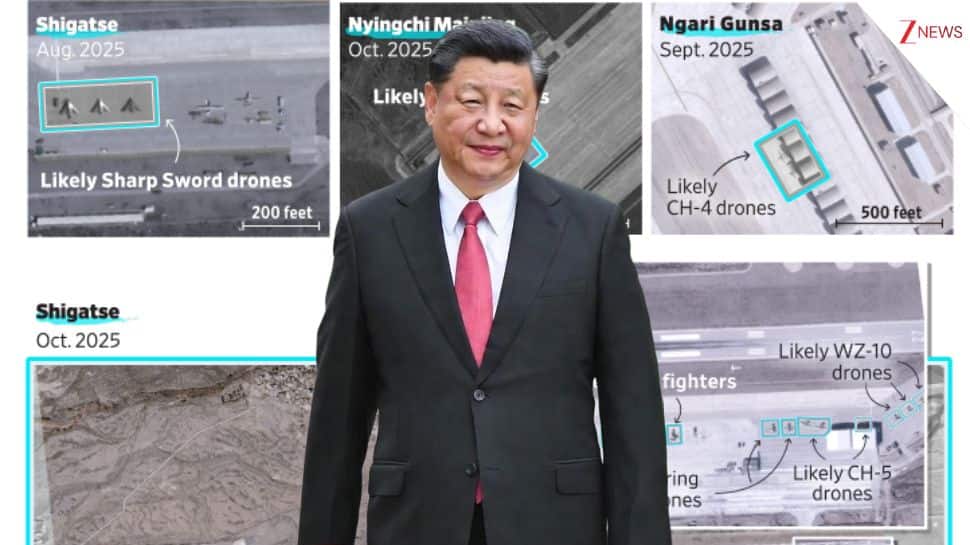
The U.S. has been vocal about its concerns regarding China’s trade policies, particularly its control over critical rare earth materials, and is actively seeking strategic partnerships. India is viewed as a key player in this geopolitical alignment. Earlier engagements, including a visit by India’s Commerce and Industry Minister to the U.S., have paved the way for the current intensive negotiations.
Addressing the existing retaliatory tariffs, which currently stand at 50% on certain Indian goods, is a central component of the deal. A successful agreement is anticipated to substantially reduce these impediments to trade. The ambitious target is to more than double bilateral trade to $500 billion by 2030, a substantial increase from the current $191 billion. Given the U.S.’s status as India’s largest trading partner, this trade pact is crucial for future economic growth and employment opportunities.