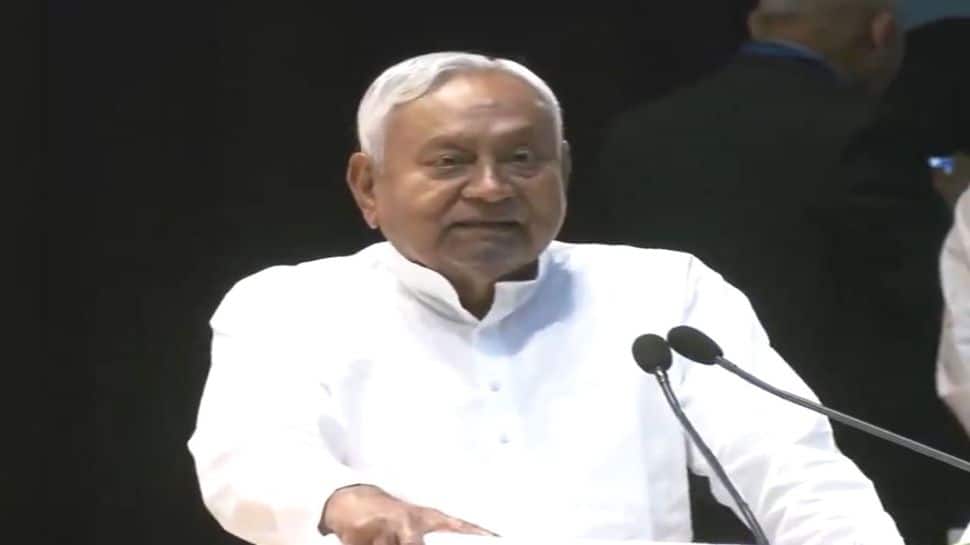

In a move designed to solidify his political standing, Bihar Chief Minister Nitish Kumar’s Janata Dal (United) has announced its first list of candidates for the upcoming state elections, focusing on a carefully crafted social arithmetic. The party, contesting 101 seats, has fielded 57 candidates in this initial release, with a clear emphasis on the Kushwaha and Kurmi communities, often referred to as the ‘Love-Kush’ bloc, which secures nearly 40 percent of the nominations. This move is widely interpreted as an effort to consolidate JD(U)’s core support and counter any fragmentation. The candidate selection also shows a calculated attempt to appeal to traditional BJP voters by nominating 13 individuals from upper-caste communities such as Rajputs, Bhumihars, and Brahmins. In parallel, the JD(U) has extended its reach to Dalits, fielding 12 candidates, and Extremely Backward Castes (EBCs), including representation for Vaishyas and Mallahs, in an apparent bid to broaden its coalition. The complete absence of Muslim candidates from this list marks a significant shift from previous elections, suggesting a strategic reassessment of voting blocs. While the list aims to project unity, reports of protests by disgruntled party workers over dropped candidates indicate the internal pressures of ticket distribution.