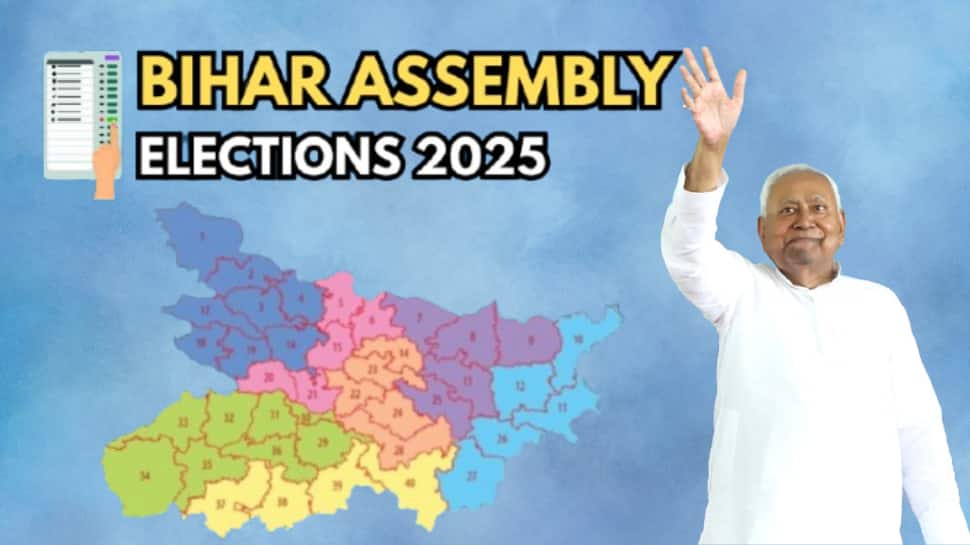

Women in Bihar have transformed from passive voters into a formidable electoral force, consistently outvoting men in recent years. This surge in female participation has necessitated a strategic pivot by political parties, placing women at the core of their election campaigns. Chief Minister Nitish Kumar’s government has proactively implemented numerous schemes aimed at empowering women, ranging from educational incentives for schoolgirls to fostering economic independence through self-help groups. Furthermore, improvements in law and order have fostered a sense of security, encouraging women to become more active in public life and decision-making processes, including voting.
The demographic shift is also influenced by male out-migration, as many men seek work outside Bihar and are unable to return for elections. This phenomenon makes women the primary voters in numerous households. The 2020 Bihar Assembly elections highlighted the critical role of women’s votes, which were instrumental in the NDA’s slender victory. While male voters favored the opposition, the NDA garnered crucial support from women, particularly younger demographics who had benefited from state initiatives. The voting patterns among different social strata revealed a complex and segmented female electorate.
To consolidate this support for the upcoming 2025 elections, the NDA government has launched a significant direct cash transfer program, providing Rs 10,000 to 1.21 crore women. This financial outreach, combined with potential loans for entrepreneurship, targets a vast segment of the female population. The timing of the cash distribution, just before the festive season, is a calculated move to enhance immediate purchasing power. However, the scheme has not been without controversy, as some eligible women have expressed frustration over their exclusion, raising concerns about a potential division in the women’s vote. Notably, the government has opted against recurring monthly cash payouts, a strategy adopted by some other states, citing Bihar’s financial limitations.
While early polling data suggests a possible swing towards the NDA among women voters, core opposition support remains robust. The Mahagathbandhan has responded with a more substantial promise: Rs 2,500 per month for women, a tactic that has yielded electoral success elsewhere. In an economically challenged state like Bihar, a guaranteed income can significantly impact women’s choices, offering them financial empowerment and dignity. However, women in Bihar are not solely swayed by financial promises. They consider broader governance issues, including safety, access to education, and healthcare. Ultimately, the party that demonstrates a comprehensive understanding of women’s needs and aspirations, going beyond mere financial incentives, is likely to emerge victorious in the upcoming polls.