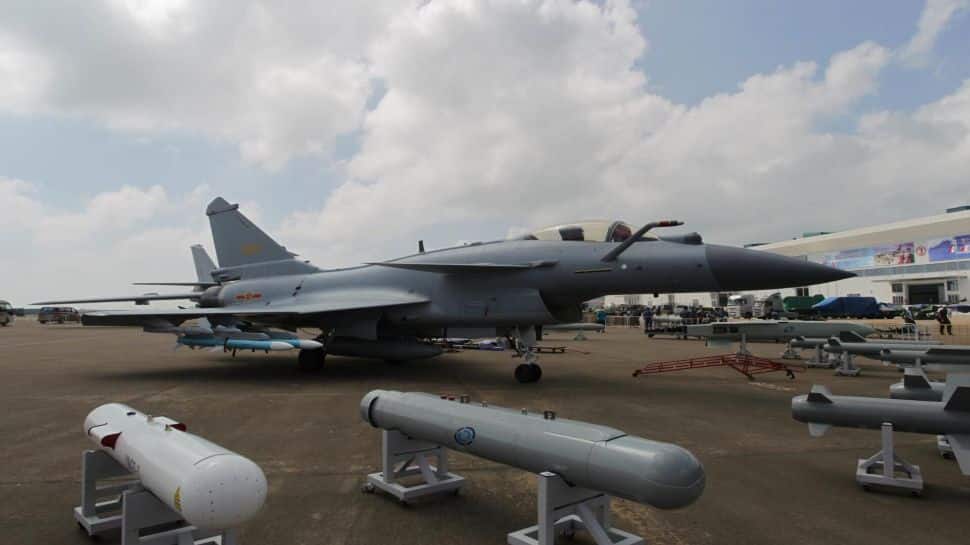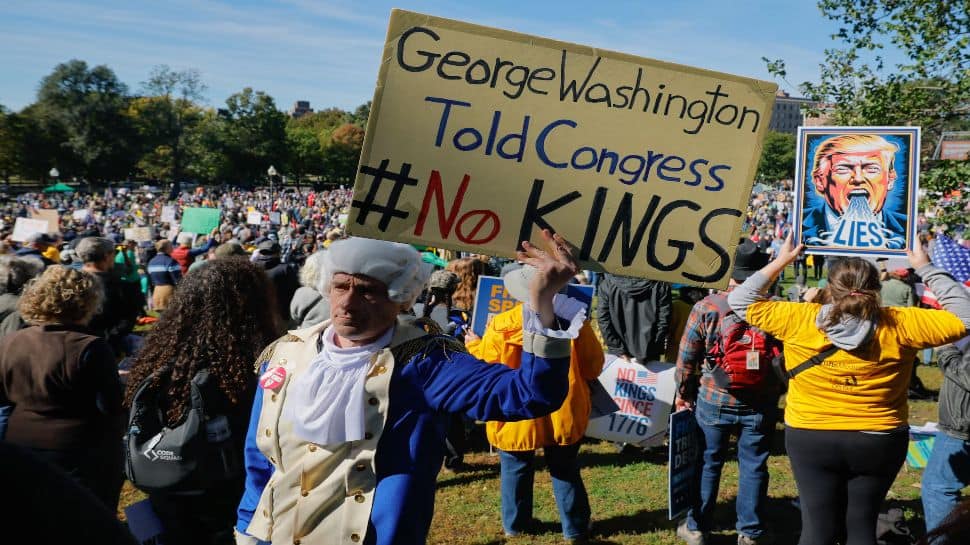

This past weekend saw an unprecedented surge of “No Kings” demonstrations across the United States, with millions of Americans taking to the streets in protest against what many perceive as an alarming trend towards authoritarianism. President Donald Trump’s reaction to the massive public outcry was conspicuously dismissive, accompanied by mocking social media posts. Imagery released by the President and Vice President JD Vance depicted Trump in a royal capacity, including a striking visual of him commanding a fighter jet labeled “KING TRUMP” over citizens and another showing key Democratic figures in a scene of submission. These posts, which circulated widely, signaled the administration’s emphasis on authority and control while simultaneously sparking widespread criticism.
Supporters of the “King Trump” imagery often defended it as harmless satire, aimed at those they accused of lacking a sense of humor. However, many viewed these visuals as a calculated, albeit subtle, attempt to cultivate an image of Trump as an invincible and absolute leader, a message that resonates with voters who admire strongman figures. The President’s online pronouncements were widely seen as deeply disrespectful to millions of Americans and a direct assault on the fundamental right to free speech. While past leaders have exhibited dismissiveness towards dissenting voters, the sheer magnitude and unapologetic nature of Trump’s displays have marked a significant escalation.
Analysts suggest that recent liberal policy decisions may have contributed to alienation among some conservative voters, with the protests reflecting a deeper societal unease. Critics contend that the president’s social media activity is part of a pattern designed to consolidate his authority and suppress dissent, raising serious questions about the future of constitutional governance. The escalating tensions coincided with the nation approaching a potential government shutdown. President Trump publicly dismissed the widespread demonstrations as a “joke,” asserting that the participants were not representative of the American public and labeling them “whacked out.” Reporters were also advised that their coverage did not accurately reflect national sentiment.
Conversely, observers consistently described the protests as peaceful and broadly representative, including both dedicated activists and moderate citizens. Many participants utilized humor, costumes, and satire as tools to voice their concerns about the current administration’s direction and policies. The President’s actions were not confined to social media. He commuted the sentence of former Representative George Santos, who had pleaded guilty to fraud. This decision was widely interpreted as a politically motivated use of presidential clemency, particularly following Trump’s prior calls for the prosecution of political opponents. Such actions fueled anxieties about the potential misuse of governmental authority for personal or political vindication, eroding trust in the impartiality of the justice system. Santos himself acknowledged the historical controversies surrounding presidential pardons, while his former colleagues emphasized the gravity of his confessed offenses.
In the international arena, Trump authorized unilateral military operations, including a strike against a vessel suspected of drug trafficking in the Caribbean. The administration framed the traffickers as terrorists, claiming the authority to engage them without due process and thereby bypassing Congress’s constitutionally mandated war powers. Critics issued strong warnings that such measures risk undermining the rule of law and setting dangerous international precedents. Even within the Republican party, voices emphasized that declarations of war legally require legislative approval.
Further increasing geopolitical tensions, Trump hinted at potential military action in Venezuela, warning international leaders that the U.S. might intervene directly if drug production issues were not adequately resolved. Observers pointed out that this approach strains democratic norms and relies heavily on executive power without sufficient transparency or accountability. The Defense Department, under Trump’s leadership, implemented strict press restrictions and limited journalists’ access, intensifying concerns about a decline in government accountability.
These combined domestic and international actions suggest a growing concentration of power and an increasingly imperious governing style. The “No Kings” protests, which involved millions of participants across more than 2,700 events in all fifty states, highlight a significant public pushback against perceived authoritarian tendencies. Organizers estimated seven million participants, representing a substantial segment of the electorate. The movement united progressive activists and moderate citizens concerned about civic issues. Demonstrators effectively used humor, costumes, and satire to respond to the administration’s rhetoric, demonstrating a strong commitment to peaceful dissent and democratic ideals. The palpable fear among retired government workers and participants that democracy was being incrementally dismantled was a recurring theme, with some undertaking journeys to Washington to protest this perceived erosion. The White House’s dismissive responses to inquiries further underscored a disconnect from the profound concerns raised by the demonstrators.