
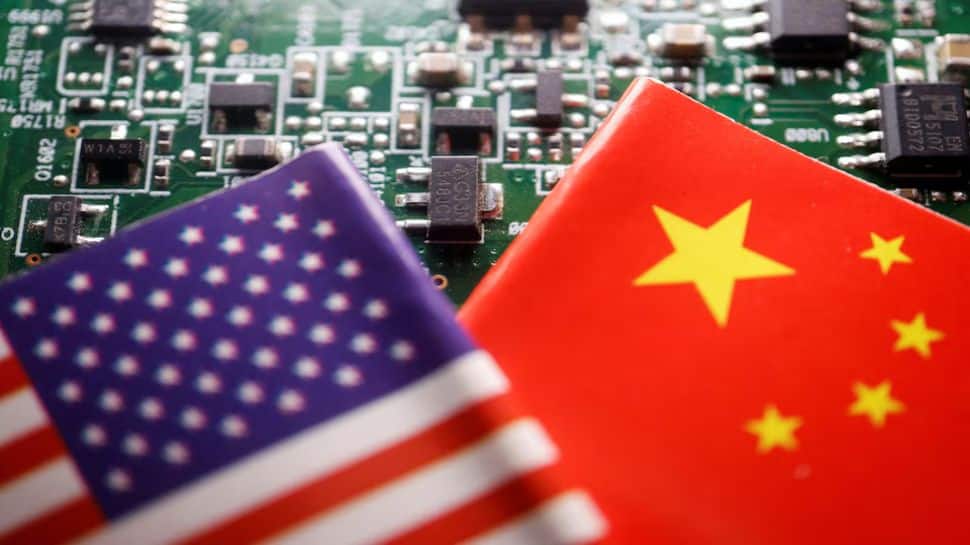

China has unveiled a groundbreaking export control policy that significantly alters the dynamics of the global technology supply chain. Foreign firms exporting products that contain even minute quantities of Chinese rare earth materials or utilize Chinese technology must now secure explicit government approval from Beijing. This far-reaching regulation grants China considerable influence over international trade, affecting supply chains from raw materials to finished high-tech goods.
This policy closely mirrors the United States’ own stringent export regulations, such as the ‘foreign direct product’ rule, which has been instrumental in limiting China’s technological advancements. By adopting similar stringent measures, China is signaling its intent to leverage its critical role in global supply chains as a strategic economic and political tool, much as the US has done in the past.
The roots of this strategy can be traced back to the trade war initiated in 2018. Facing mounting pressure, China began developing a robust framework for retaliation. This included the establishment of the ‘Unreliable Entity List’ in 2020, a direct response to US blacklisting. A year later, China enacted legislation allowing for countermeasures against foreign sanctions, demonstrating a clear commitment to defending its interests through reciprocal actions.
The recent increase in trade disputes has further solidified China’s assertive stance. Following targeted tariffs, Beijing has responded with its own set of restrictions, including controls on vital materials and blacklisting of foreign companies. This tit-for-tat escalation, particularly concerning materials like rare earth magnets, underscores China’s readiness to employ aggressive trade policies. The message from Beijing is unequivocal: China has fully embraced hardball trade politics and is now a key player, adept at utilizing the very tactics employed by its global competitors.