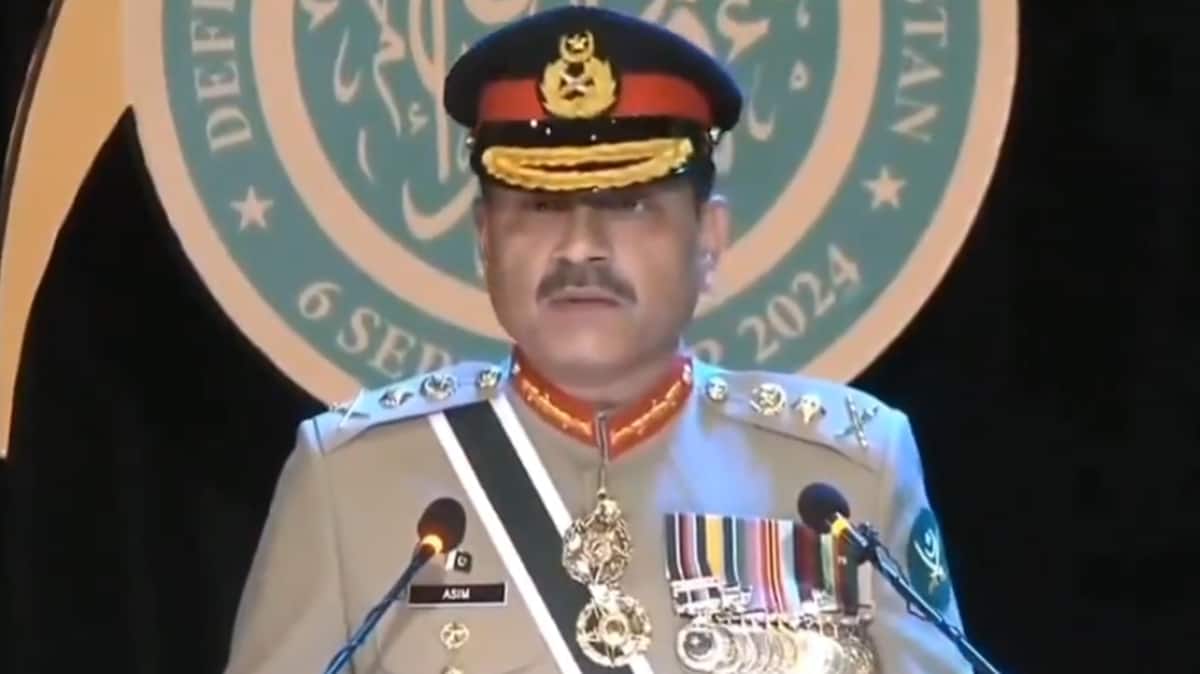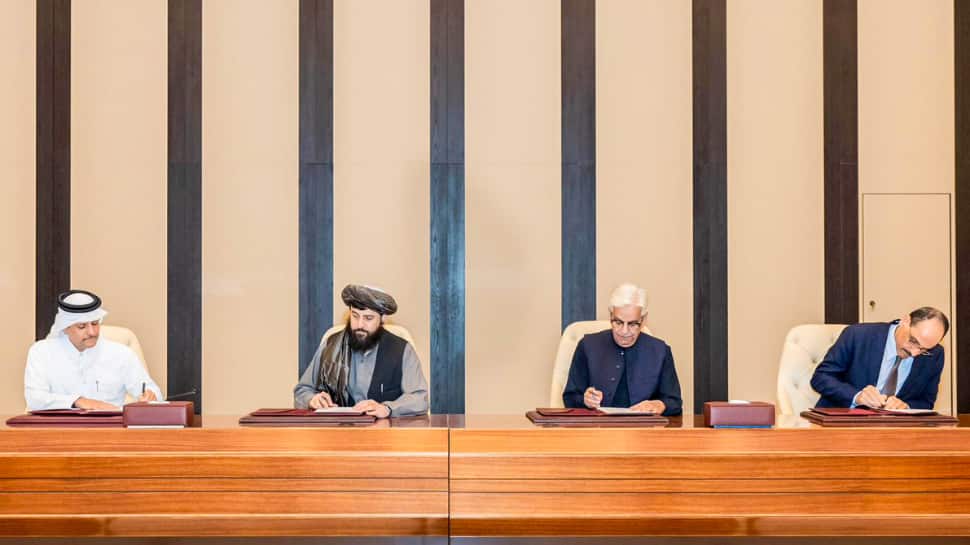



A series of recent incidents has exposed significant weaknesses and vulnerabilities within the Pakistan army, creating a fertile ground for intensified attacks by various militant and extremist organizations. Despite a fragile truce with the Taliban, the increasing pressure from groups like the Tehreek-e-Taliban Pakistan (TTP) has emboldened others to challenge the state’s authority. Security analysts believe that multiple outfits, including the TTP, Lashkar-e-Jhangvi (LeJ), and the Islamic State Khorasan Province (ISKP), are united in their goal to topple the current establishment and implement Islamic law. The LeJ, historically focused on sectarian violence against minority communities, is now poised to broaden its attack profile. Islamabad faces the prospect of the LeJ re-establishing alliances with either the ISKP or the TTP, with whom it has previously collaborated. The ISKP’s strategic calculus may shift following the peace agreement between Pakistan and the Afghan Taliban, potentially leading it to align with the LeJ rather than the TTP, which is seen as having Afghan Taliban patronage. Given that the ISKP is composed of former TTP defectors, a direct merger is unlikely. Nevertheless, all these groups are acutely aware of the Pakistan army’s compromised state and are prepared to escalate their assaults, even if they act independently. Intelligence assessments predict a significant uptick in attacks against the establishment in the near future. Compounding Pakistan’s security challenges, its ability to rally support from groups like Lashkar-e-Tayiba (LeT) and Jaish-e-Mohammad (JeM) is limited. The JeM’s ambivalent relationship with the government and its sympathy for the Afghan Taliban and TTP could lead to internal strife if pressured to fight the TTP. The LeT, while generally loyal, has experienced internal dissent in the past, notably over Pakistan’s role in the US-led war in Afghanistan, with some elements threatening to join the Taliban. Adding to the multifaceted threat, Baloch nationalist movements, advocating for ethnic self-determination and secular separatism, are intensifying their campaign. Recognizing the army’s strained resources and multi-front engagements, these groups are planning for a more assertive offensive in Balochistan, targeting Chinese investments and military installations.