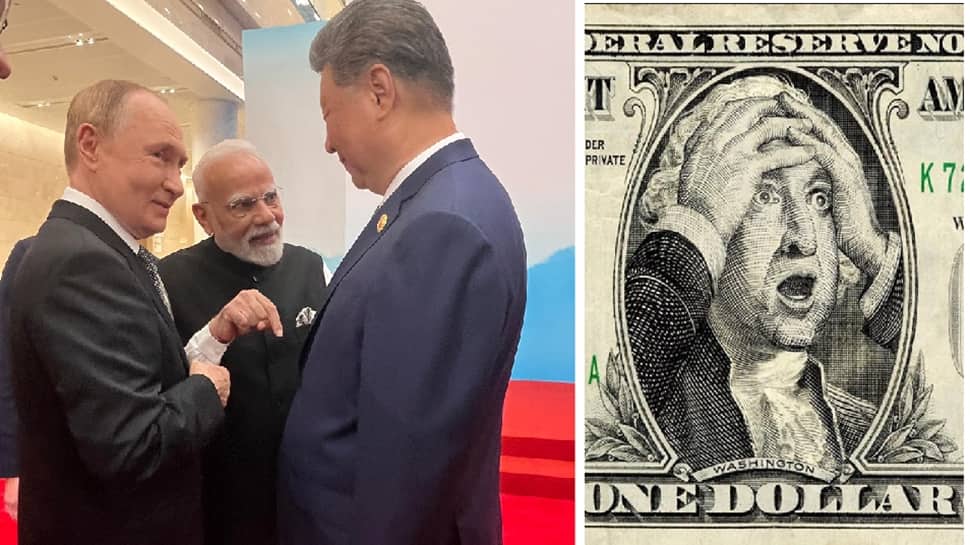

The long-standing reign of the US dollar as the world’s primary reserve and trade currency is facing an unprecedented challenge. Driven by geopolitical tensions and the pursuit of monetary sovereignty, emerging economies, particularly within the BRICS bloc, are actively developing and deploying Central Bank Digital Currencies (CBDCs) as a means to reduce reliance on the dollar.
China’s Digital Renminbi (e-CNY) is a significant catalyst in this movement. The People’s Bank of China’s strategic expansion to support cross-border settlements with numerous countries in Southeast Asia and the Middle East effectively bypasses the traditional SWIFT messaging system. This initiative leverages distributed ledger technology to enable near-instantaneous, low-cost transactions, directly competing with the dollar-dominated payment networks. Pilot projects like mBridge have demonstrated the system’s efficiency, offering a tangible alternative for nations seeking to avoid the vulnerabilities associated with US financial policies, such as sanctions.
Beijing’s push for the e-CNY is a cornerstone of its de-dollarisation strategy. By facilitating trade in digital yuan and encouraging its acceptance for commodity payments, China aims to undermine the dollar’s crucial roles in global energy markets and international reserves. The increasing adoption of the yuan for trade among BRICS members further solidifies this alternative financial framework.
For many developing nations, CBDCs represent a compelling solution for international transactions. They offer a balance of speed, security, and regulatory compliance that traditional dollar-based systems and volatile cryptocurrencies cannot match. The successful implementation of China’s e-CNY is creating a blueprint and a growing appetite for similar CBDC adoption across Africa, Latin America, and Asia.
India is also a key player in this evolving landscape, with its digital rupee (eRs). The Reserve Bank of India’s approach emphasizes inclusivity and interoperability, aiming to build a multipolar financial system that supports South-South trade. The eRs is designed with features like offline transaction capabilities and integration with India’s robust fintech infrastructure, offering a democratized approach to digital finance. India envisions the eRs as a neutral option within BRICS+, providing a trustworthy alternative to both the dollar and other potentially dominant CBDCs.
The BRICS nations, with their substantial economic weight, are actively building the infrastructure for a more multipolar financial world. Their collective efforts are focused on creating alternative settlement systems that can sustain themselves independently. The future will likely see increased interoperability between different CBDCs, creating a more interconnected but less dollar-centric global economy.
While the US dollar’s position as a leading reserve currency remains strong, its long-term dominance is increasingly being challenged. The gradual shift towards CBDCs and diversified payment networks indicates a slow but steady erosion of US financial hegemony, ushering in an era where global finance is no longer dictated by a single currency.