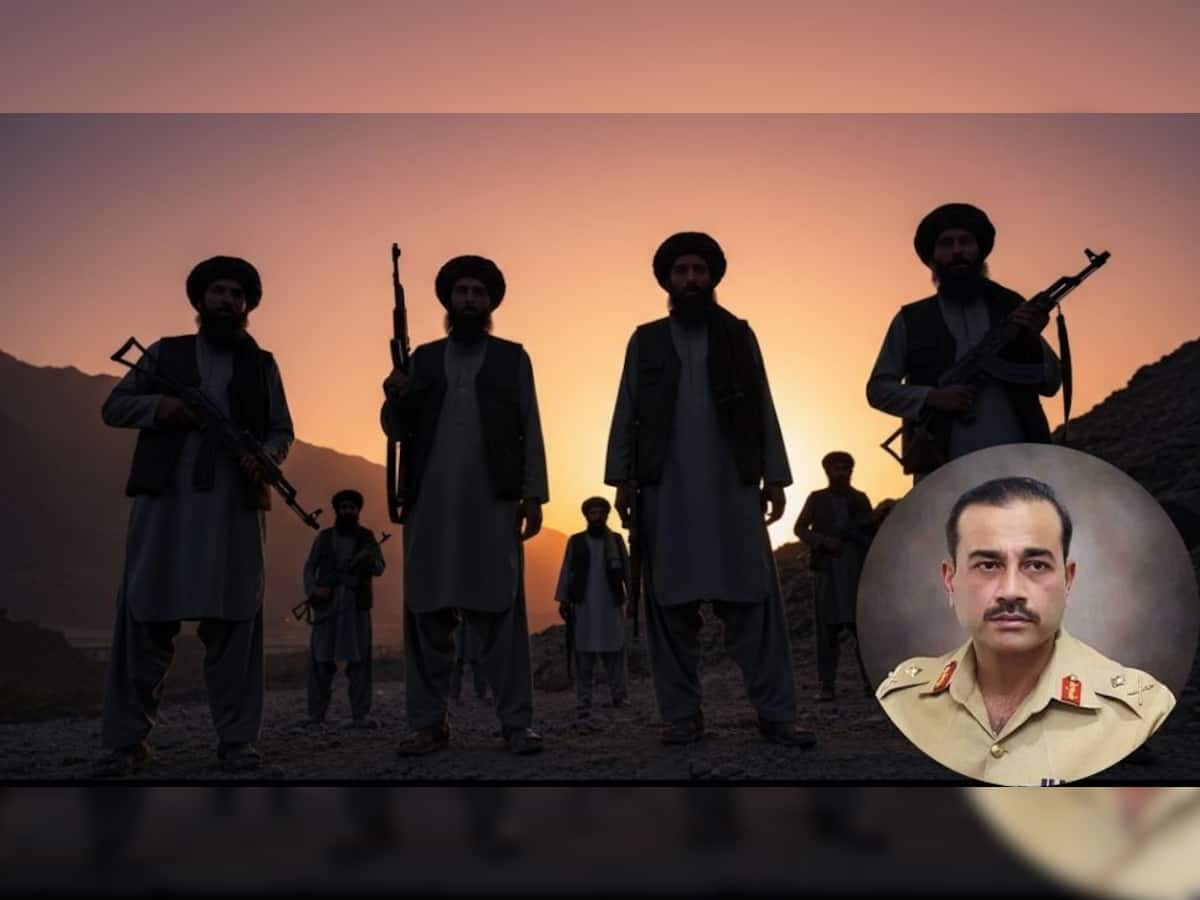

Pakistan finds itself in the grip of a dire security crisis as the Taliban has officially declared a ‘holy war’ and issued a fatwa to ‘conquer Islamabad.’ The Tehrik-e-Taliban Pakistan (TTP), operating with increasing boldness, has stated its intention to overthrow the Pakistani government, a move apparently sanctioned by the Afghan Taliban’s leadership.
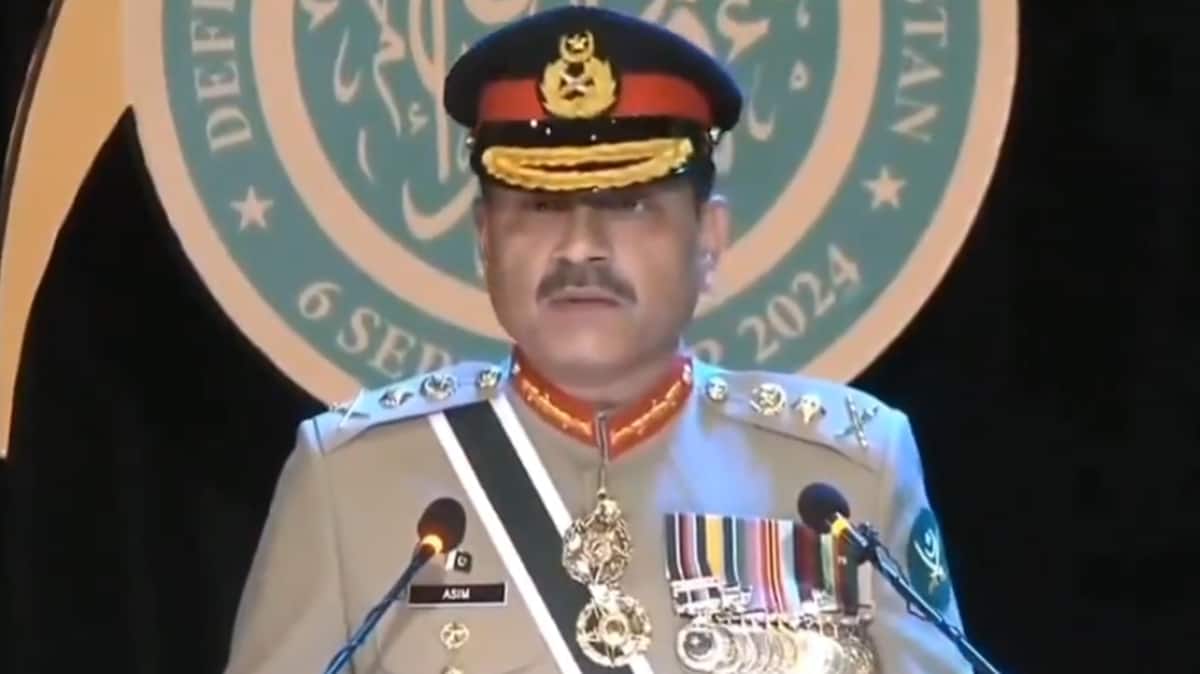
This alarming escalation comes shortly after a deadly engagement on the Afghan border, where five Pakistani soldiers were killed. The TTP chief, Noor Wali Mehsud, has been vocal about their directive from Hibatullah Akhundzada to subjugate Pakistan, marking a significant challenge to the authority of General Asim Munir and his military.
Pakistan’s long-standing policy of harboring and supporting militant groups has seemingly led to its own strategic vulnerability. The TTP is actively launching attacks from within Pakistani territory, while Afghan Taliban elements pose a threat from across the border. This dual threat has placed Pakistan’s military in a precarious position.
Disturbing reports and video evidence show TTP leaders, including Noor Wali Mehsud, moving freely and issuing orders within Pakistan’s Khyber Pakhtunkhwa province. Mehsud’s declaration that defeating the Pakistani army is their primary objective underscores the gravity of the internal security situation. The inability of Pakistani forces to counter these visible operations raises serious questions about their effectiveness.
Attempts by Pakistan to secure international cooperation have met with significant setbacks. A recent diplomatic push in Istanbul to compel the Afghan Taliban to curb militant activities proved futile. The Taliban’s insistence that Pakistan engage directly with the TTP, effectively legitimizing a designated terrorist organization, was a clear rejection of Pakistan’s security concerns.
Incidents of TTP fighters displaying captured Pakistani military vehicles and establishing checkpoints in contested areas further illustrate the erosion of state control. These actions symbolize a direct challenge to Pakistan’s sovereignty and military prestige.
Furthermore, reports from former intelligence officials suggest concerns over the autonomy of Pakistan’s nuclear arsenal. The possibility of these weapons falling under the control of militant factions is reportedly a significant factor influencing external oversight of launch codes.
Pakistan is now confronting a critical existential threat, a direct consequence of its past geopolitical strategies. The convergence of internal militancy, external pressure, and strategic vulnerabilities leaves the nation in a highly precarious state, with the Taliban explicitly vowing to dismantle the country.