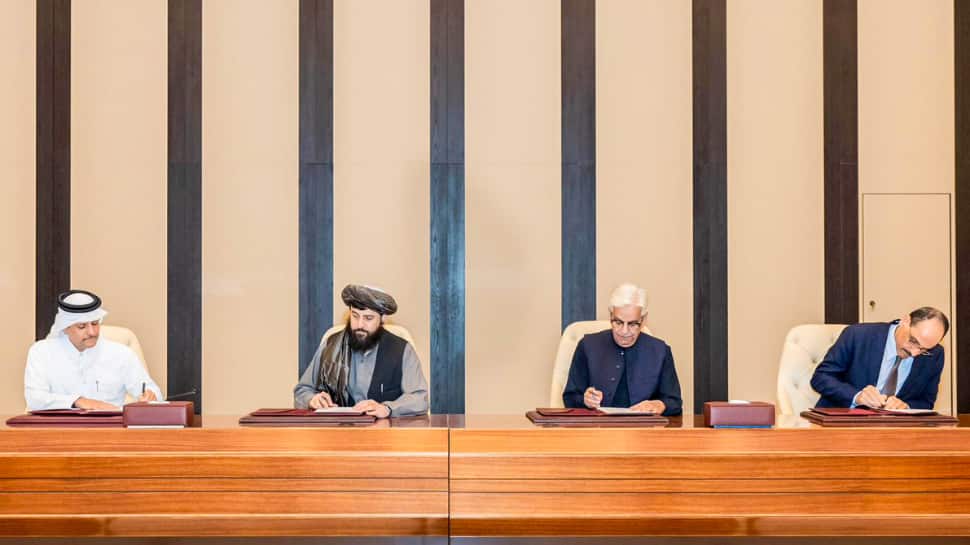

Hopes for peace between Pakistan and Afghanistan have been dashed as Turkish-brokered talks in Istanbul concluded without any progress. The fragile ceasefire is now under severe threat, with both Islamabad and Kabul accusing each other of derailing the negotiations. Adding to the volatile situation, the Taliban has issued a stark warning to Pakistan, threatening a strong reaction to any future actions along the Durand Line.
A crucial disclosure emerged from the Pakistani delegation during the Istanbul talks, as reported by Afghan media. Pakistan reportedly admitted to an existing agreement with an undisclosed foreign country that permits drone strikes within Pakistani borders. The nation stated it is bound by this pact and cannot prevent such operations. This admission comes as Pakistan deepens its strategic relationship with Saudi Arabia and continues its cooperation with the United States.
Pakistan’s delegation also pushed for Kabul to officially recognize its ‘right to respond’ to the activities of the Tehrik-i-Taliban Pakistan (TTP). The Taliban, however, maintained its stance that the TTP is an internal Pakistani issue. They reiterated their commitment to preventing any misuse of Afghan territory for hostile purposes against other nations.
The Taliban has reinforced its threat of retaliation, warning that any Pakistani airstrikes on Afghan soil would prompt a direct response against Islamabad. These warnings follow comments made by Pakistan’s Defence Minister, who suggested that ‘open war’ was an option if diplomatic efforts faltered, while also acknowledging the Taliban’s stated desire for peace.
Sources confirm that the talks have reached a standstill, with blame being exchanged between the two nations. Pakistani officials are reportedly dissatisfied with Kabul’s alleged refusal to accept their ‘logical and legitimate’ security-related demands. In contrast, the Taliban delegation reportedly criticized the Pakistani side for being ‘unwilling’ and ‘chaotic,’ citing walkouts and a lack of coherence among their representatives during the sensitive negotiations.